

Introduction
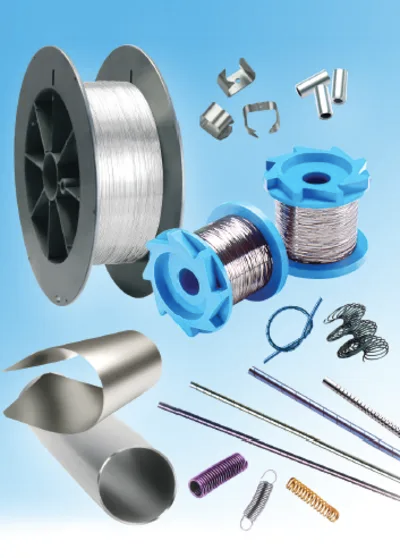
In the ever-evolving landscape of technology, SMA actuators have emerged as pivotal components that drive innovation across various industries. These remarkable devices, powered by shape memory alloys (SMAs), are not just fascinating in their mechanics; they hold immense potential for applications ranging from robotics to medical devices. Understanding the significance of SMA wires and how they work is essential for designers and engineers looking to harness their capabilities effectively.
Unpacking SMA Actuators and Their Importance
SMA actuators are revolutionizing the way we think about movement and control in mechanical systems. Utilizing shape memory alloys, particularly SMA wires nitinol, these actuators can change shape in response to temperature changes, offering unparalleled versatility and efficiency. The importance of these technologies cannot be overstated; they allow for compact designs that can deliver powerful actuation without the need for bulky motors or complex mechanisms.
Exploring the World of Shape Memory Alloys
Shape memory alloys are a unique class of materials that possess the ability to remember their original shapes when subjected to specific thermal conditions. This remarkable property is primarily seen in SMA wires, which can return to a predetermined form after being deformed—making them ideal candidates for countless applications across various sectors. From aerospace engineering to consumer electronics, understanding how these materials function opens up a world of possibilities for innovative design solutions.
Why Choose GEE SMA for Your Projects
With an extensive range of shape memory alloy products tailored to meet diverse needs, GEE SMA offers unmatched expertise and support throughout the design process. By leveraging their capabilities in supplying top-notch shape memory alloys examples like nitinol wires, you can ensure your projects achieve optimal performance and reliability.
Understanding SMA Technology

Shape Memory Alloys (SMAs) are materials that can return to a predetermined shape when subjected to heat. This unique property arises from the phase transformation between their austenite and martensite states, allowing SMA wires to exhibit remarkable flexibility and strength. The versatility of SMA wires, particularly those made from Nitinol, has made them essential components in various engineering applications.
The Science Behind Shape Memory Alloys
At the heart of Shape Memory Alloys lies the fascinating science of phase transformation. When heated above a specific temperature, SMA wires transition from a low-energy martensite state to a high-energy austenite state, effectively remembering their original shape. This characteristic is what makes SMA wires so appealing for diverse applications, as they can be designed to perform complex tasks with minimal energy input.
The properties of SMA wires are heavily influenced by their composition and processing methods. For instance, Nitinol—an alloy of nickel and titanium—exhibits superior shape memory characteristics compared to other alloys. This means that when sourcing SMA wires for sale, choosing high-quality Nitinol can significantly enhance performance in practical applications.
How SMA Wires Work in Actuation
SMA wires operate through thermal actuation, where changes in temperature induce movement or force generation. When an electric current passes through an SMA wire, it heats up due to electrical resistance and transforms into its austenitic state; this contraction generates motion that can be harnessed for various mechanisms. Upon cooling down, the wire returns to its original length as it reverts back to the martensitic phase.
This unique actuation mechanism allows for precise control over mechanical systems without bulky motors or complicated gear systems. Engineers often integrate these SMA wires into compact designs where space is at a premium—making them ideal for applications ranging from robotics to biomedical devices. With advancements in technology and materials science, the potential uses for Shape Memory Alloy products continue to expand exponentially.
Real-World Applications of SMA Wires
The versatility of SMA wires has led them into numerous real-world applications across different industries. In the medical field, they are used in stents that expand within arteries at body temperature or as actuators in minimally invasive surgical tools that require precise movement without large mechanical components. Similarly, aerospace engineers utilize shape memory alloys for deployable structures like wings or landing gear due to their lightweight yet strong characteristics.
In consumer electronics, manufacturers have begun incorporating SMAs into devices such as cameras and smartphones where compactness is crucial yet functionality cannot be compromised. Additionally, automotive industries leverage these alloys for active suspension systems that enhance ride comfort by adjusting stiffness dynamically based on road conditions. As more companies explore innovative designs using Shape Memory Alloys examples abound—from art installations that move gracefully with heat changes to everyday gadgets that surprise users with their responsiveness.
Design Considerations for SMA Actuators

When diving into the design of SMA actuators, several key considerations come into play. These factors can significantly influence the performance, efficiency, and overall success of your project. Understanding these elements will help you harness the full potential of shape memory alloys in your designs.
Key Factors to Consider in SMA Designs
First and foremost, the choice of SMA wires is crucial; different compositions and diameters can drastically affect actuation properties. For instance, when selecting SMA wires nitinol, it's essential to consider their transition temperatures and mechanical properties since they directly impact how effectively they respond to heat. Additionally, factors such as load requirements and environmental conditions must be assessed to ensure that your shape memory alloy products perform optimally under real-world conditions.
Another important aspect is the geometry of your actuator design; this includes everything from wire placement to the overall size and shape of components. A well-thought-out design can enhance actuation efficiency while minimizing energy consumption, which is vital for applications that rely on battery power or limited energy sources. Lastly, thermal management plays a significant role; ensuring that heat is effectively applied and dissipated can prevent overheating and prolong the lifespan of your SMA wires.
Integrating SMA Wires Nitro with Other Components
Integrating SMA wires nitinol into existing systems requires careful planning to ensure compatibility with other components like sensors or control systems. The unique characteristics of shape memory alloys mean they may require specialized mounting techniques or housing materials that accommodate their thermal expansion properties. Moreover, it’s vital to consider how these wires will interface with electronic controls—whether through direct wiring or more complex feedback loops.
Collaboration between different engineering disciplines can yield innovative solutions when integrating SMA wires into larger assemblies. For example, combining mechanical engineering insights with electrical engineering expertise can lead to smarter actuator designs that leverage both fields' strengths. By taking a holistic approach during integration, you can maximize functionality while minimizing potential issues related to component interactions.
Lastly, testing integration points during prototyping is essential; this ensures that all parts work seamlessly together before moving on to full-scale production. Any misalignment or incompatibility discovered late in development could lead to costly redesigns or delays in bringing your product to market.
Customizing Shape Memory Alloy Products
Customization is where creativity meets functionality in designing shape memory alloy products tailored for specific applications. Whether you're developing unique shapes or adjusting response times by varying wire thicknesses and lengths, customization allows you to push the boundaries of what’s possible with SMA technology. For instance, custom-shaped actuators can be designed for niche markets such as robotics or medical devices where standard solutions may not suffice.
Furthermore, advancements in manufacturing techniques enable designers to produce intricate geometries using sma wires for sale from various suppliers around the globe—including those based in India—who specialize in high-quality materials tailored for specific needs. This opens up a world of possibilities for engineers looking to innovate while ensuring reliability through high-grade materials like Nitinol-based SMAs known for their superior performance characteristics.
Lastly, don't hesitate to collaborate with suppliers who offer customization options; many leading manufacturers are eager to work closely with engineers on bespoke projects involving shape memory alloys examples that highlight unique functionalities tailored precisely for client specifications.
Prototyping SMA Actuators

Prototyping SMA actuators is an essential step in the development process, enabling designers to test and refine their concepts before full-scale production. With the versatility of shape memory alloys (SMAs), particularly SMA wires nitinol, engineers can create innovative solutions tailored to specific applications. This section delves into rapid prototyping methods, testing and optimizing SMA wires in India, and showcases successful case studies that highlight the potential of shape memory alloy products.
Rapid Prototyping Methods for SMA Devices
3D printing has emerged as a popular method, allowing creators to fabricate complex shapes that integrate with SMA wires seamlessly. Additionally, using CNC machining for components can ensure precision when working with shape memory alloys, providing a solid foundation for actuator functionality.
Another effective approach involves utilizing simulation software that models the behavior of shape memory alloys under various conditions. By simulating how SMA wires react to thermal inputs or mechanical stress, designers can predict performance outcomes without wasting material on physical prototypes initially. Ultimately, these rapid prototyping methods not only save time but also reduce costs associated with developing new shape memory alloy products.
Testing and Optimizing SMA Wires India
Testing and optimizing SMA wires in India plays a crucial role in ensuring that actuators meet performance standards before they hit the market. Rigorous testing protocols must be established to evaluate key parameters such as response time, load capacity, and durability of the shape memory alloys used in prototypes. By conducting these tests systematically, engineers can identify weaknesses early on and make necessary adjustments.
Moreover, leveraging local resources for testing can enhance collaboration among manufacturers and researchers within India’s growing tech ecosystem focused on SMAs. This synergy fosters innovation while ensuring that high-quality sma wires are readily available for diverse applications across industries like robotics and aerospace. The optimization phase also encourages experimentation with different alloy compositions or wire configurations to maximize efficiency and reliability.
Case Studies of Successful Prototyping
To illustrate the effectiveness of prototyping with sma wires nitinol, let’s explore some successful case studies where innovative designs have transformed ideas into reality. One notable example involves a medical device company developing a minimally invasive surgical tool powered by shape memory alloys—specifically designed using rapid prototyping methods that incorporated real-time feedback from testing phases.
Another compelling case study features an engineering team tasked with creating an adaptive structure capable of responding dynamically to environmental changes using sma wires for sale on the market today. Their iterative design process included extensive simulations followed by hands-on testing which ultimately led them to refine their actuator's performance significantly before final production began.
These examples underscore how effective prototyping strategies combined with rigorous testing result in reliable products ready for commercialization while showcasing the vast potential inherent within shape memory alloy technology.
Testing Solutions for SMA Technology
When it comes to developing reliable SMA actuators, rigorous testing is not just a box to check; it's an essential part of the process. The unique properties of shape memory alloys, such as their ability to return to a predetermined shape when heated, necessitate thorough evaluation under various conditions. Without proper testing, the performance and longevity of SMA wires could be compromised, leading to failures in critical applications.
Importance of Rigorous Testing in Actuator Development
Rigorous testing ensures that SMA wires meet design specifications and function as intended in real-world scenarios. This is particularly crucial for applications where failure is not an option—think medical devices or aerospace components where lives may be at stake. By putting shape memory alloy products through their paces, engineers can identify weaknesses and enhance designs before mass production.
Additionally, understanding how different environmental factors affect shape memory alloys can lead to more robust designs. For instance, temperature fluctuations or humidity levels can impact the performance of SMA wires nitinol differently than expected. Comprehensive testing helps predict these variances and adapt designs accordingly.
Innovative Techniques for Testing SMA Wires
Innovative techniques are emerging that allow for more effective testing of SMA wires than ever before. One such method involves using advanced thermal imaging technologies to monitor temperature changes in real-time during actuation cycles. This provides valuable data on how quickly and efficiently the shape memory alloys respond to heat stimuli.
Another exciting approach is the application of machine learning algorithms to analyze test results from multiple iterations of SMA wires India projects. By processing large datasets, engineers can pinpoint patterns that reveal potential failure points or areas for improvement in actuator design. These methods not only streamline the testing process but also enhance overall product quality.
Moreover, dynamic mechanical analysis (DMA) offers insights into the mechanical properties of SMA products under various conditions—vital information that helps ensure quality control throughout production stages. As technology advances, these innovative techniques will continue shaping how we test and validate SMA actuators.
Ensuring Quality with Shape Memory Alloys Examples
Ensuring quality in shape memory alloys begins with selecting high-grade materials and implementing strict quality control measures throughout production processes. For example, companies offering sma wires for sale should provide detailed specifications regarding alloy composition and performance metrics—this transparency builds trust with designers and engineers alike.
Real-world examples further illustrate successful implementations of rigorous quality assurance practices within the industry. Take a look at high-performance applications like robotic grippers or adaptive structures; these systems rely heavily on precise actuation provided by well-tested shape memory alloy nitinol components that have undergone extensive validation procedures.
Ultimately, maintaining stringent quality standards ensures that end-users receive reliable products capable of performing consistently over time—an essential consideration when designing any actuator utilizing sma wires or other shape memory alloys examples.
Sourcing SMA Wires for Sale

Finding the right SMA wires for your project is crucial, especially when it comes to ensuring quality and performance. The market for shape memory alloys, particularly SMA wires nitinol, has grown significantly, making it essential to identify reliable suppliers. Whether you’re in India or elsewhere, understanding where to source these materials can save time and resources.
Finding Reliable Suppliers of SMA Wires Nitinol
When searching for SMA wires nitinol, begin by exploring both local and international suppliers that specialize in shape memory alloys. Look for manufacturers with a solid reputation and positive customer reviews that indicate reliability and product quality. Additionally, consider suppliers who offer comprehensive support services like technical assistance and customization options tailored to specific projects involving shape memory alloy products.
Another key factor is the supplier’s ability to provide certifications and documentation regarding the material properties of their SMA wires. This ensures that you are getting genuine products that meet industry standards. Finally, don’t hesitate to reach out directly to potential suppliers; a quick conversation can reveal their expertise in SMA wires India and their commitment to customer satisfaction.
An Overview of Leading Market Players
The landscape of suppliers offering SMA wires for sale includes several prominent players known for their innovation and reliability in the field of shape memory alloys. Companies such as Nitinol Devices & Components, Inc., and Fort Wayne Metals are recognized leaders providing high-quality SMA wires across various applications. These companies have established themselves as go-to resources due to their extensive experience in manufacturing shape memory alloy nitinol products.
In addition to established names, emerging players are also making waves by offering competitive pricing without compromising on quality or service levels. Researching these companies can provide insights into new technologies or unique offerings within the realm of shape memory alloys examples that may benefit your project significantly. Stay updated on industry trends through trade shows or online platforms where these market players showcase their latest innovations.
Leveraging GEE SMA for Custom Needs
GEE SMA stands out as a premier resource when it comes to sourcing customized solutions involving shape memory alloys. Their commitment to quality ensures that you receive top-tier sma wires tailored specifically for your project requirements—whether it's prototyping or large-scale production runs. They offer a wide variety of options within the realm of sma wires nitinol which enables engineers and designers alike to find the perfect fit.
Moreover, GEE SMA provides excellent customer support throughout the procurement process—from initial inquiry through delivery—ensuring you have all necessary information at hand regarding your chosen shape memory alloy products. Their expertise allows them not only to supply but also guide clients on how best to integrate these materials into existing designs effectively. By choosing GEE SMA, you're not just buying sma wires; you're investing in a partnership focused on innovation and success.
Conclusion
As we wrap up our exploration of SMA actuators and shape memory alloys, it’s clear that the future is bright for these remarkable materials. With ongoing advancements in technology, SMA wires are poised to revolutionize various industries, from robotics to medical devices. The versatility and efficiency of shape memory alloys will undoubtedly lead to innovative applications that we have yet to imagine.
The Future of SMA Actuators in Technology
The potential of SMA wires, particularly nitinol, is vast and continues to expand as research progresses. Emerging applications in aerospace and automotive sectors leverage the lightweight yet robust properties of shape memory alloys, paving the way for smarter design solutions. As designers and engineers embrace these materials, we can expect a surge in creative uses for SMA wires that enhance performance while reducing energy consumption.
Key Takeaways for Designers and Engineers
For those venturing into the world of shape memory alloy products, understanding the fundamental characteristics of SMA wires is essential. Key factors such as thermal response, actuation speed, and integration with other components should guide your design process. Remember that sourcing quality SMA wires—especially Nitinol—from reputable suppliers can make a significant difference in your project's success.
Why GEE SMA Should Be Your Go-To Resource
With an extensive range of shape memory alloy products tailored to meet diverse project needs, GEE SMA ensures reliability without compromising on performance. Whether you’re looking for customized solutions or expert advice on utilizing shape memory alloys effectively, GEE SMA is ready to support your journey toward innovation.