

Introduction

Nitinol ingots are a fascinating form of nitinol metal, renowned for their unique properties and versatile applications. Comprised primarily of nickel and titanium, this nitinol alloy exhibits remarkable shape memory capabilities that allow it to return to a predetermined shape when heated. Whether you’re in aerospace, medical devices, or automotive industries, understanding the advantages of nitinol ingots can significantly enhance your projects.
What Are Nitinol Ingots
Nitinol ingots are solid forms of nitinol material that can be processed into various shapes and sizes for specific applications. The distinct characteristics of nitinol wire, such as its flexibility and durability, make it a preferred choice in many high-tech industries. By leveraging the unique properties of nitinol shape memory alloys, manufacturers can create innovative solutions tailored to meet diverse demands.
Advantages of Buying in Bulk
Purchasing nitinol ingots in bulk offers several benefits that can greatly impact your bottom line. Bulk buying not only reduces costs but also ensures a consistent supply of high-quality nitinol alloy for ongoing projects. Additionally, having ample stock on hand allows for greater flexibility in design and production timelines while minimizing delays associated with sourcing materials.
Understanding ASTM Certification
ASTM certification is crucial when dealing with specialized materials like nitinol metal; it guarantees adherence to industry standards for quality and safety. Certified products provide peace of mind that the nitinol properties have been rigorously tested for performance and reliability in various applications. By choosing ASTM-certified nitinol ingots, you invest in superior materials that meet stringent requirements for your projects.
The Marvels of Nitinol Properties
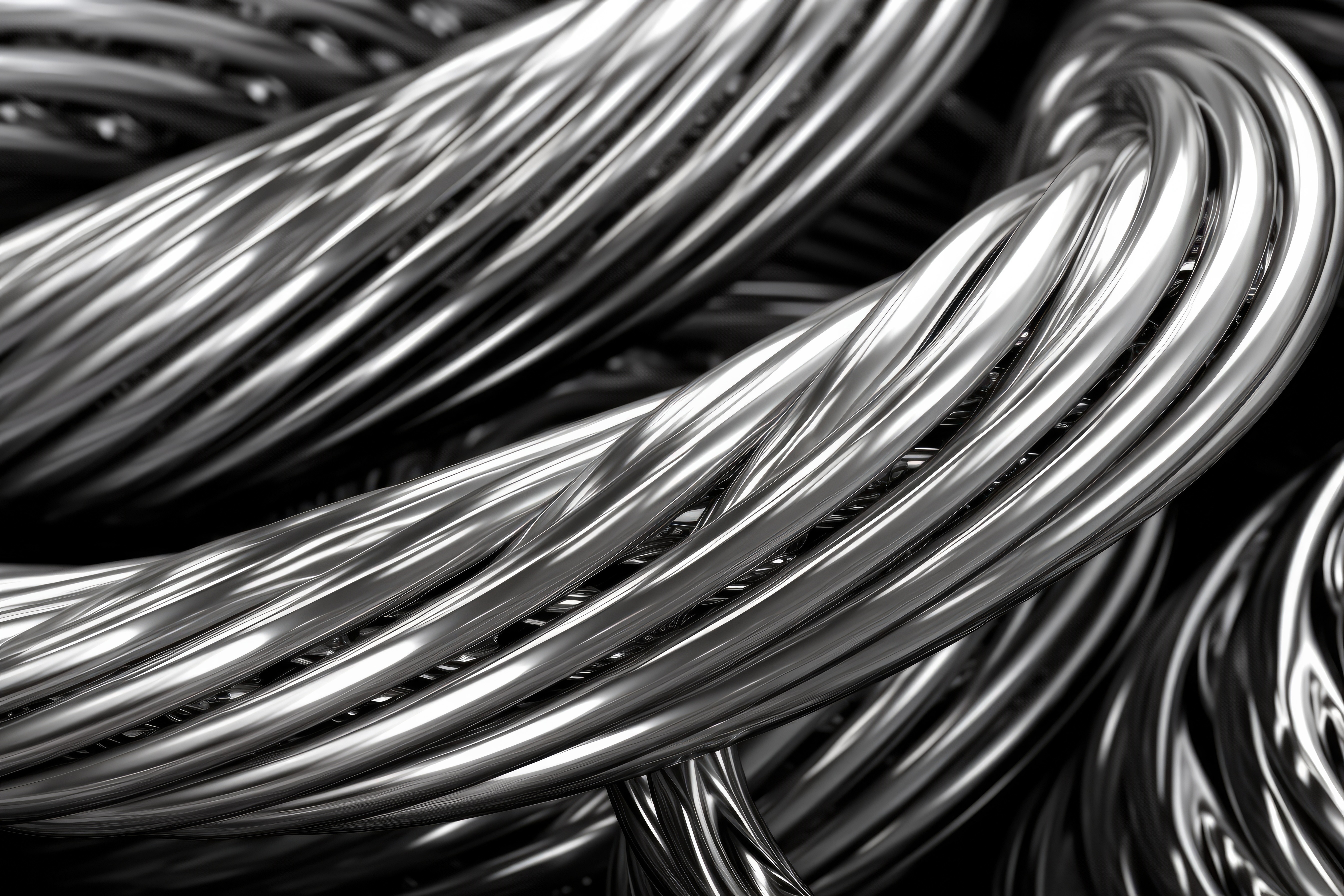
Nitinol, a remarkable alloy of nickel and titanium, boasts a collection of properties that set it apart in various applications. Its unique characteristics not only enhance functionality but also open doors to innovative solutions across industries. Let’s dive into the fascinating features of nitinol that make it a go-to material for engineers and designers alike.
Unique Shape Memory Ability
One of the most enchanting properties of nitinol is its shape memory ability, which allows the material to return to a predetermined shape when heated above a specific temperature. This phenomenon occurs due to the unique crystalline structure inherent in nitinol metal, which can remember its original form after being deformed. As a result, nitinol ingots and wires are used in applications ranging from medical devices like stents to intricate robotics, where precise movements are crucial.
When subjected to stress or deformation at lower temperatures, nitinol alloy can be manipulated into various shapes; however, once heated above its transformation temperature, it springs back to its original configuration. This property not only enhances design flexibility but also ensures reliability in critical applications where performance is paramount. With this shape memory feature firmly in place, engineers can create innovative solutions that were previously thought impossible.
Flexibility and Durability
Beyond its shape memory ability, nitinol is renowned for its flexibility and durability—two attributes that make it an exceptional choice for demanding environments. Nitinol wire can bend significantly without breaking or losing its integrity, making it ideal for applications requiring dynamic movement or complex geometries. This flexibility allows designers to create intricate shapes while ensuring that the final product remains robust under stress.
Moreover, the durability of nitinol metal ensures that products maintain their performance over time without succumbing to fatigue or wear-and-tear common in other materials. Whether it's used in aerospace components or medical implants, the longevity provided by nitinol properties translates into cost savings and reduced maintenance efforts down the line. It’s this combination of flexibility and strength that positions nitinol as an invaluable asset across multiple sectors.
Temperature-Sensitive Transformation
Temperature sensitivity is another hallmark feature of nitinol alloys that captivates engineers and scientists alike. The ability to undergo transformation at specific temperatures means that these materials can be precisely controlled for various applications—from simple actuators to complex surgical tools designed for minimally invasive procedures. By manipulating the temperature environment around nitinol material, users can trigger desired responses with remarkable accuracy.
This temperature-sensitive transformation enables innovations such as self-expanding stents that adapt seamlessly within blood vessels upon reaching body temperature—a true game-changer in medical technology! Additionally, this property facilitates smart systems where mechanical actions are dictated by thermal conditions rather than manual intervention alone—creating opportunities for automation across diverse fields including robotics and automotive engineering.
In summary, the marvels of nitinol properties—from unique shape memory abilities to incredible flexibility and temperature-sensitive transformations—underscore why this alloy has become an essential material across industries today.
The Importance of ASTM Certification
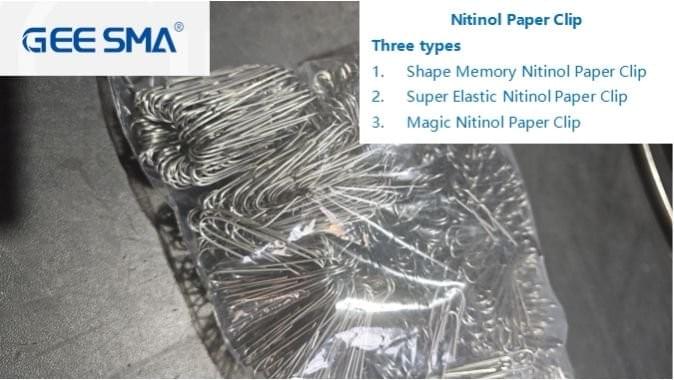
ASTM, or the American Society for Testing and Materials, sets rigorous standards that ensure the quality and performance of various materials, including nitinol metal and its alloys. Understanding these standards is crucial for manufacturers and consumers alike, as they provide a benchmark for reliability in applications ranging from aerospace to medical devices.
Understanding ASTM Standards
ASTM standards are designed to evaluate the properties of materials under specific conditions, ensuring consistency in production processes. For nitinol alloys, these standards encompass everything from tensile strength to corrosion resistance, directly impacting their performance in real-world applications. By adhering to these guidelines, manufacturers can produce nitinol material that meets stringent requirements for safety and effectiveness.
Benefits of Certified Nitinol
Opting for certified nitinol ingots offers numerous advantages that can enhance your projects significantly. First and foremost, certified nitinol guarantees that you are working with a material that meets established criteria for quality and performance—essential when dealing with critical applications like medical devices where failure is not an option. Additionally, purchasing certified nitinol wire or alloy can also streamline regulatory approvals since many industries require compliance with ASTM standards before products can be used commercially.
Ensuring Quality and Safety
This certification serves as a safeguard against subpar materials that might compromise safety or lead to product failures down the line. By choosing certified nitinol metal or ingots, businesses not only protect their investments but also contribute positively to industry-wide safety standards.
Customization Options for Nitinol Ingots
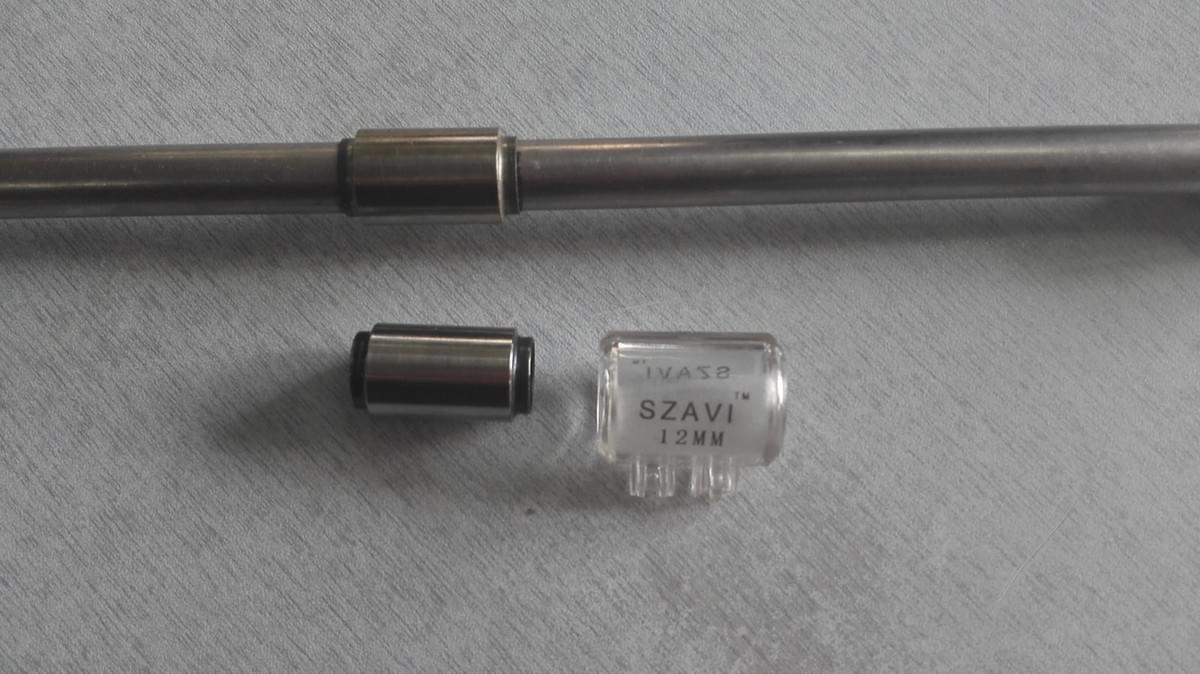
Nitinol ingots are not just one-size-fits-all solutions; they can be tailored to meet a variety of needs. The customization options available allow manufacturers and engineers to create specific nitinol materials that fit their exact requirements. By understanding how to customize nitinol wire and other forms, businesses can leverage the unique properties of this remarkable nitinol alloy.
Tailoring Size and Shape
When it comes to tailoring size and shape, nitinol ingots offer incredible versatility. Depending on the application, these materials can be produced in various dimensions, ensuring they meet the precise specifications needed for different projects. Whether you need small nitinol wires or larger components, customization enables engineers to harness the unique shape memory properties of nitinol metal effectively.
Meeting Specific Application Needs
Customization is crucial for meeting specific application needs across various industries using nitinol alloys. Different sectors like aerospace, medical devices, and automotive applications often require unique characteristics from their materials; thus, tailored nitinol properties become essential. By working closely with suppliers, companies can ensure that their custom-designed nitinol material performs optimally in its intended environment.
Design Considerations for Nitinol Metal
Designing with nitinol metal involves several important considerations to fully utilize its capabilities. Factors such as temperature sensitivity and flexibility must be taken into account when creating components from this extraordinary alloy. Additionally, designers should consider how the unique transformation characteristics of nitinol will impact functionality in real-world applications—after all, it's not just about making something that fits but also about ensuring it performs flawlessly under varying conditions.
Nitinol in Various Industries
Nitinol, a remarkable alloy of nickel and titanium, has found its way into various industries due to its unique properties. This versatile nitinol material is not just a novelty; it's transforming applications across aerospace, medical devices, and automotive sectors. With the ability to return to a predetermined shape, nitinol ingots and wires are becoming indispensable in modern engineering.
Aerospace Applications and Innovation
In the aerospace sector, nitinol's shape memory properties are nothing short of revolutionary. Engineers utilize nitinol metal for components that need to withstand extreme conditions while maintaining flexibility and resilience. From actuators to couplings, nitinol alloys enable lighter designs that contribute significantly to fuel efficiency and overall performance.
The innovation doesn't stop there; nitinol wire is also being used in advanced mechanisms such as deployable structures and morphing wings. These applications demonstrate how the unique characteristics of nitinol properties can lead to groundbreaking developments in aerodynamics. As aerospace technology continues to evolve, the demand for reliable materials like nitinol ingots will only increase.
Medical Devices and Biocompatibility
When it comes to medical devices, biocompatibility is crucial—and that's where nitinol truly shines. Its excellent compatibility with human tissue makes it an ideal choice for implants and surgical instruments. Nitinol metal's flexibility allows for minimally invasive procedures while ensuring durability over time.
Nitinol's shape memory effect plays a significant role in stents used for vascular surgeries; these devices expand upon reaching body temperature, providing critical support where needed most. Furthermore, the customization options available with nitinol alloys allow manufacturers to tailor products specifically for various medical applications. As healthcare technology advances, the use of certified nitinol materials will continue enhancing patient outcomes.
Automotive Uses and Performance
The automotive industry is another area where nitinol's unique properties are making waves. Engineers are increasingly turning to this innovative alloy for components that require high strength-to-weight ratios combined with flexibility—think suspension systems or active controls that adapt on-the-fly! The use of nitinol wire in actuators can lead to significant improvements in vehicle performance while reducing overall weight.
Moreover, as manufacturers strive toward more sustainable practices, using lightweight materials like nitinol ingots contributes directly to better fuel efficiency and lower emissions. With ongoing research into new applications within automotive engineering, it's clear that this versatile material is set for even greater integration into future vehicles—making them smarter and more efficient than ever before.
GEE SMA: Leading the Way
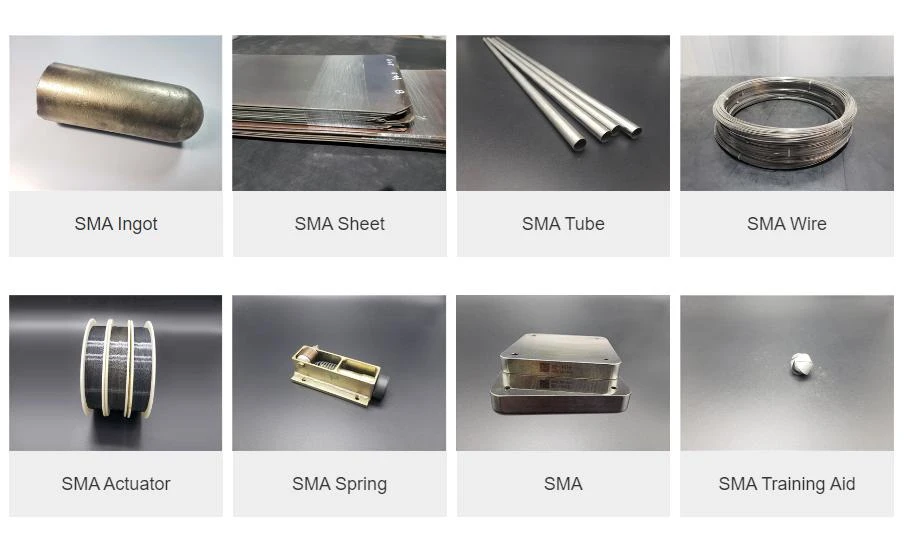
When it comes to Nitinol shape memory alloys, GEE SMA stands at the forefront of innovation and expertise. With years of experience in working with nitinol metal, this company has honed its skills in producing high-quality nitinol ingots and wires that meet diverse industry needs. Their deep understanding of nitinol properties allows them to push the boundaries of what's possible with this remarkable material.
Expertise in Nitinol Shape Memory Alloys
GEE SMA has cultivated a reputation for excellence in the realm of nitinol alloys, specializing in their unique shape memory capabilities. This expertise translates into products that not only perform well but also offer reliability across various applications, from medical devices to aerospace components. By leveraging advanced manufacturing techniques and rigorous testing protocols, GEE SMA ensures that every nitinol ingot and wire meets stringent quality standards.
The company's dedication to research and development has led to breakthroughs in how nitinol materials are utilized, allowing for innovative designs that enhance functionality and efficiency. Their team is composed of skilled professionals who are passionate about exploring new possibilities within the field of nitinol properties. This commitment to excellence makes GEE SMA a trusted partner for businesses looking to incorporate cutting-edge technology into their projects.
Contributions to Space Missions
GEE SMA's contributions extend beyond terrestrial applications; they have played a pivotal role in advancing technology for space missions as well. The unique characteristics of nitinol metal make it an ideal choice for components subjected to extreme conditions found beyond Earth’s atmosphere. From actuators to deployable structures, GEE SMA's products have been integral in ensuring mission success.
By collaborating with aerospace engineers and scientists, GEE SMA has developed specialized nitinol alloys tailored for specific space applications where reliability is paramount. These innovations not only enhance performance but also contribute significantly to mission safety—an essential factor when dealing with the unknowns of outer space. It's clear that GEE SMA’s commitment goes hand-in-hand with their contributions toward pushing humanity's reach into the cosmos.
Commitment to Quality and Customer Needs
At GEE SMA, quality isn't just a buzzword; it's embedded in every aspect of their operations when producing nitinol materials like ingots and wires. The company places immense value on understanding customer requirements, ensuring that each product is tailored precisely to meet those needs without compromising on quality or performance standards. This customer-centric approach fosters long-term partnerships built on trust and satisfaction.
Moreover, by adhering strictly to ASTM certification standards, GEE SMA guarantees that all their products undergo rigorous testing processes before they reach clients’ hands—ensuring safety and reliability across all applications involving nitinol alloy components. They continuously seek feedback from customers which helps refine their offerings further while remaining adaptable amid changing market demands related to Nitinol shape memory technologies.
In conclusion, whether you're looking for high-performance nitinol ingots or innovative solutions utilizing this extraordinary material, GEE SMA is your go-to source—leading the way through expertise, innovation, and unwavering commitment.
Conclusion
In the ever-evolving landscape of materials science, nitinol ingots stand out as a smart investment for various industries. With their unique properties and versatile applications, investing in nitinol metal can yield significant benefits, particularly in fields that require precision and reliability. The combination of shape memory capabilities and durability makes nitinol alloy an attractive choice for manufacturers looking to enhance product performance.
Why Nitinol Ingots Are a Smart Investment
When considering materials for high-performance applications, nitinol ingots offer unparalleled advantages that make them a wise choice. Their distinctive nitinol properties—such as shape memory and superelasticity—allow products to perform reliably under stress while returning to their original form when needed. Furthermore, the longevity and resilience of nitinol wire can reduce maintenance costs over time, providing excellent value for businesses looking to optimize their production processes.
The Future of Nitinol Applications
The future holds tremendous potential for the expansion of nitinol applications across various sectors. From aerospace innovations that leverage the lightweight yet strong nature of nitinol metal to medical devices that benefit from its biocompatibility, the possibilities are endless. As research continues into new uses for this remarkable material, we can expect even more groundbreaking advancements in technology driven by the unique characteristics of nitinol alloy.
Customization and Quality in Focus
Manufacturers can tailor nitinol ingots in size and shape to meet precise requirements, ensuring optimal performance across diverse use cases. By prioritizing quality alongside customization options, companies like GEE SMA ensure that each piece of nitinol wire or alloy not only meets but exceeds industry standards.