

Introduction
In the realm of advanced materials, Nitinol stands out as a remarkable innovation, captivating industries with its unique properties and versatile applications. This shape memory alloy plate is not just an engineering marvel; it’s a game-changer in fields ranging from medical devices to robotics. Understanding Nitinol and its various forms—such as Nitinol wire, foil, and plates—can open up new avenues for innovation and efficiency.
Understanding Nitinol and Its Applications
Nitinol is an alloy of nickel and titanium that exhibits extraordinary characteristics, notably the shape memory effect. This property allows it to return to a predetermined shape when heated above a specific temperature, making it invaluable in numerous applications like stents, actuators, and even eyeglass frames. The versatility of Nitinol plates extends beyond medical uses; they are also critical in aerospace engineering and automotive industries due to their lightweight yet durable nature.
The Importance of Quality in Nitinol Manufacturing
When it comes to manufacturing Nitinol products, quality is paramount. Variances in composition or production processes can significantly affect the performance of items like Nitinol sheets or wires, which are often subjected to rigorous stress and environmental conditions. High-quality manufacturing ensures that each piece meets stringent industry standards while maintaining cost-effectiveness—an essential balance for buyers looking at factors such as the Nitinol sheet price.
A Look at Leading Suppliers in China
China has emerged as a key player in the global supply chain for Nitinol products, boasting several leading manufacturers known for their expertise and innovation. Companies specializing in producing high-quality Shape Memory Alloy plates are crucial for meeting international demand while ensuring compliance with safety regulations. A focus on suppliers like GEE SMA reveals not only their commitment to excellence but also how they compare against other notable manufacturers regarding standards and pricing strategies for products such as customized Nitinol flowers.
What is Nitinol?

Nitinol is a remarkable alloy that has gained significant attention in various industries due to its unique properties. Composed primarily of nickel and titanium, this material exhibits extraordinary characteristics such as shape memory and superelasticity. These features make it an ideal candidate for applications ranging from medical devices to aerospace components.
Definition and Properties
Nitinol, short for Nickel Titanium Naval Ordnance Laboratory, is classified as a shape memory alloy (SMA). This means that it can return to a predetermined shape when heated above a specific temperature, making it incredibly versatile. The properties of Nitinol plates include high corrosion resistance, excellent fatigue life, and the ability to undergo significant deformation without permanent damage.
The unique combination of these properties allows Nitinol wire and foil to be used in highly demanding environments where traditional metals may fail. For example, its low density contributes to lightweight applications while maintaining strength—an essential factor in industries like aerospace and automotive. Furthermore, the thermal conductivity of Nitinol enhances its suitability for temperature-sensitive applications.
Shape Memory Effect Explained
The shape memory effect is one of the standout features of Nitinol that sets it apart from conventional materials. When deformed at lower temperatures, the alloy can remember its original shape once it is heated above its transformation temperature. This process occurs through a phase change between martensite (the low-temperature phase) and austenite (the high-temperature phase).
In practical terms, this means that a Nitinol plate can be bent or twisted into various shapes during fabrication but will revert back to its original form when exposed to heat—truly magical! The implications are vast; for instance, this property allows for innovative designs in medical stents where the device can be inserted in a compact form before expanding inside the body at body temperature.
Common Uses of Nitinol Plates
Nitinol plates find their way into numerous applications across diverse sectors due to their unique characteristics. In the medical field, they are frequently used in devices such as guidewires and stents because their flexibility allows them to navigate through complex anatomical structures seamlessly. Additionally, their biocompatibility makes them suitable for long-term implantation within the human body.
Beyond healthcare, Nitinol's versatility extends into robotics and actuators where precise movement is crucial; here again, we see how Nitinol wire plays an essential role by providing responsive motion control mechanisms. Furthermore, industries focusing on consumer products have begun utilizing customized designs like Nitinol flowers—delicate yet durable items that can withstand wear while maintaining aesthetic appeal.
As demand grows for advanced materials capable of performing under extreme conditions with reliability and efficiency—such as those offered by different variants like Nitinol 50—the market sees evolving pricing trends related closely with quality standards set by manufacturers worldwide including China’s leading suppliers.
Key Features of Nitinol Plates

Nitinol plates are fascinating materials that showcase the remarkable properties of shape memory alloys. Their unique capabilities make them invaluable in various applications, ranging from medical devices to aerospace components. Understanding these features can help industries leverage the advantages of nitinol plates effectively.
Shape Memory Alloy Capabilities
One of the standout features of a shape memory alloy plate is its ability to return to a predetermined shape when heated above a specific temperature. This phenomenon, known as the shape memory effect, allows for innovative designs in applications where flexibility and strength are crucial. For instance, nitinol wire can be used in stents that expand within arteries, providing life-saving support while maintaining minimal invasiveness.
Moreover, this capability enables manufacturers to create complex geometries that would be impossible with traditional materials. The transformation between different phases—martensite and austenite—gives nitinol its unique properties, making it suitable for dynamic environments where adaptability is key. Thus, understanding these capabilities is essential for anyone looking to utilize nitinol plates in their projects.
Benefits of Nitinol Foil and Wire
The benefits of using nitinol foil and wire extend beyond just their shape memory properties; they also include excellent corrosion resistance and biocompatibility. These qualities make them particularly appealing for medical applications such as surgical instruments and implants where durability is paramount. Additionally, the lightweight nature of nitinol products ensures that they do not add unnecessary weight to devices or structures.
Another significant advantage is their ability to withstand extreme temperatures without losing functionality—a critical factor in many engineering fields. When considering the cost-effectiveness aspect alongside performance metrics like those reflected in Nitinol sheet price trends, it's clear that investing in high-quality nitinol products pays off over time. Therefore, whether you're looking at nitinol foil for intricate designs or wire for robust applications, the benefits are undeniable.
Nitinol 50 vs Other Variants
When comparing Nitinol 50 with other variants like Nitinol 60 or custom formulations, several factors come into play regarding performance characteristics and application suitability. Nitinol 50 offers a balanced composition that provides excellent shape recovery while maintaining good ductility—making it ideal for general use across various industries including automotive and biomedical sectors. In contrast, other variants may prioritize specific traits such as higher strength or enhanced fatigue resistance depending on their intended application.
For example, if you’re designing a specialized component like a Nitinol flower—an artistic representation often utilized in decorative contexts—you might lean towards variants tailored for aesthetic quality rather than sheer mechanical performance. Pricing considerations also differ; understanding how each variant influences Nitinol sheet price can guide decision-making based on project requirements and budget constraints. Ultimately, selecting between these options hinges on both technical specifications and practical needs within your industry.
Leading Nitinol Plate Manufacturers in China
In the world of Nitinol manufacturing, China stands out as a hub for quality and innovation. With a growing demand for Nitinol plates, several manufacturers have emerged that specialize in producing high-quality Shape Memory Alloy plates. This section highlights GEE SMA, along with other notable players in the industry, and provides insights into their manufacturing standards.
Overview of GEE SMA
GEE SMA has carved a niche for itself as a leading manufacturer of Nitinol products, particularly Nitinol plates and wires. Their commitment to quality is evident in their rigorous testing processes and adherence to international standards. With an impressive range of products including Nitinol foil and customized solutions like the unique Nitinol Flower, GEE SMA meets diverse industry needs while ensuring competitive pricing on their offerings.
Other Notable Manufacturers
While GEE SMA is a frontrunner, several other manufacturers also contribute significantly to the landscape of Nitinol production in China. Companies like Xiamen Golden Egret Special Alloy Co., Ltd., and Shanghai Shape Memory Alloy Co., Ltd., are known for their advanced technology and expertise in producing high-grade Shape Memory Alloy plates. These manufacturers not only focus on conventional products but also offer innovative solutions tailored to specific applications across various sectors.
Comparison of Manufacturing Standards
When it comes to manufacturing standards, there are key differences among leading suppliers of Nitinol plates in China. GEE SMA emphasizes stringent quality control measures that ensure each batch meets or exceeds industry benchmarks, particularly concerning the properties of Nitinol 50 variants. In contrast, while some competitors may prioritize cost-effectiveness over quality assurance, this can lead to variations in performance characteristics such as shape memory effects or durability when using their Nitinol wire or foil.
Understanding Nitinol Sheet Pricing
When it comes to the pricing of Nitinol sheets, several factors come into play that can significantly influence the final cost. The unique properties of Nitinol, including its shape memory effect and superelasticity, contribute to its demand in various industries, affecting the overall market dynamics. Additionally, production methods, raw material quality, and supplier reputation all factor into the pricing structure of a Nitinol plate or sheet.
Factors Affecting Nitinol Sheet Price
The price of a Nitinol sheet is primarily influenced by its composition and manufacturing process. The alloy's specific formulation—such as whether it’s a standard variant or a specialized option like Nitinol 50—can lead to variations in cost. Furthermore, factors such as thickness and size also play crucial roles; thicker plates or those with custom dimensions may command higher prices.
Another significant aspect is the market demand for advanced applications that utilize shape memory alloys. Industries such as medical devices and aerospace are increasingly adopting these materials for their innovative properties, leading to fluctuations in availability that can drive up prices. Additionally, suppliers offering high-quality standards in their Nitinol wire and foil products may charge a premium due to their more rigorous quality assurance processes.
Average Pricing Trends
In recent years, the average pricing trends for Nitinol sheets have shown an upward trajectory due to rising raw material costs and increased demand across various sectors. For instance, while basic shapes like standard nitinol plates might be relatively affordable at around $100 per kilogram, specialized variants or customized options could easily exceed this price point significantly. As industries continue embracing advanced technologies utilizing shape memory alloys like Nitinol foil and wire, we can expect these trends to persist.
Moreover, regional differences can also affect pricing; suppliers in countries with robust manufacturing capabilities may offer more competitive rates compared to those in emerging markets where production costs are higher. Tracking these trends helps businesses make informed decisions when purchasing their required materials while keeping budget constraints in mind.
Cost vs. Quality Considerations
When evaluating the cost versus quality of Nitinol products such as sheets or plates, it's essential not to compromise on quality for lower prices alone. High-quality nitinol plates often ensure better performance characteristics like reliability under stress and longevity in demanding applications—especially critical for medical implants or aerospace components where failure is not an option. Investing slightly more upfront on superior products can lead to significant savings down the line through reduced maintenance costs and enhanced performance.
Additionally, customization options available from reputable manufacturers allow businesses to tailor their nitinol flowers or other products precisely suited for specific applications without sacrificing quality standards. Thus, while it’s tempting to opt for cheaper alternatives when considering Nitinol sheet prices or even nitinol wire options available on the market today; prioritizing quality will ultimately yield better long-term results.
Customization Options for Nitinol Products
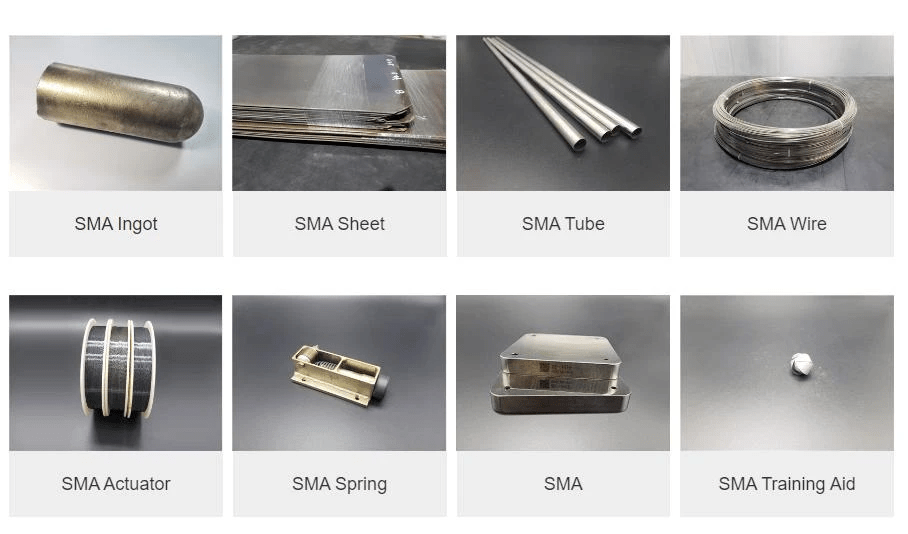
Customization is a game-changer in the world of Nitinol products, allowing manufacturers and industries to meet their specific needs effectively. With the unique properties of Nitinol, including its shape memory effect and superelasticity, tailoring Nitinol plates to exact specifications can significantly enhance performance in various applications. This flexibility not only improves functionality but also opens avenues for innovative designs that leverage the advantages of Nitinol.
Tailoring Nitinol Plates to Specifications
Tailoring Nitinol plates involves adjusting dimensions, thickness, and alloy compositions to suit particular applications. Whether it's a thin Nitinol foil for medical devices or a robust Shape Memory Alloy plate for aerospace components, customization ensures that each product meets the required performance standards. Additionally, variations like Nitinol 50 allow manufacturers to select specific thermal and mechanical properties that align with their operational demands.
The ability to customize extends beyond mere dimensions; it encompasses surface treatments and finishes as well. For instance, a polished finish may be necessary for aesthetic purposes in consumer products while a rougher texture might be preferred for enhanced grip in surgical tools. By providing these tailored options, suppliers can cater to diverse industry needs while ensuring optimal performance of their Nitinol wire and plate products.
Importance of Customization for Industries
Customization is crucial across various industries utilizing Nitinol due to the highly specialized nature of their applications. In sectors such as medical technology, automotive, and aerospace engineering, even minor adjustments can lead to significant improvements in efficiency and safety. For instance, customized Nitinol flowers used in stents must conform precisely to anatomical specifications to ensure proper function within the human body.
Moreover, industries are increasingly seeking unique solutions that differentiate them from competitors; tailored products provide just that edge. The ability to specify characteristics such as elasticity or thermal response enables companies to innovate without being constrained by standard offerings on the market. This level of customization not only enhances product performance but also fosters stronger partnerships between manufacturers and clients who seek high-quality materials at competitive prices.
Examples of Customized Nitinol Flowers
Customized Nitinol flowers serve as an excellent example of how tailored designs can meet specific requirements while showcasing the material's versatility. These intricate shapes are often utilized in medical devices like stents or filters where precise geometry is critical for functionality within biological systems. By customizing these flowers based on patient-specific data or procedural needs, manufacturers can greatly improve outcomes.
Additionally, customized designs extend beyond functional uses; they also have aesthetic applications in jewelry-making where unique shapes made from high-quality nitinol foil attract consumers looking for something different yet durable. The ability to manipulate shape memory effects allows artisans to create pieces that return to their original form after bending or twisting—an attractive feature that adds value both functionally and artistically.
In summary, whether it’s through tailoring dimensions or creating unique forms like customized nitinol flowers, customization plays an essential role in maximizing the potential of nitinol products across various industries while addressing specific customer needs effectively.
Conclusion
In wrapping up our exploration of Nitinol and its myriad applications, it's clear that choosing the right supplier is paramount. GEE SMA stands out not just for their superior quality but also for their commitment to innovation in manufacturing Nitinol products. Whether you need a Nitinol plate, wire, or foil, they offer a comprehensive range tailored to meet industrial demands.
Why Choose GEE SMA for Nitinol Needs
GEE SMA has carved a niche in the market as a leading manufacturer of Nitinol products, especially known for their high-quality Shape Memory Alloy plates. Their rigorous quality control processes ensure that every piece—be it a Nitinol sheet or wire—meets international standards and customer specifications. Furthermore, GEE SMA offers competitive pricing on items like the Nitinol sheet price, making them an attractive option for businesses looking to balance cost with quality.
The Future of Nitinol in Technology
The future looks bright for Nitinol technology as industries continue to discover innovative applications for this remarkable material. With ongoing advancements in manufacturing processes and material science, we can expect even more sophisticated uses of Shape Memory Alloy plates in sectors such as medical devices and robotics. As demand grows, so too will the potential for customized solutions like specialized Nitinol flowers that cater to unique project needs.
Making Informed Choices for Nitinol Supplies
When selecting suppliers for your Nitinol needs, it’s essential to weigh factors such as product quality, customization options, and pricing trends—especially concerning the ever-important Nitinol sheet price. By doing thorough research and comparing various manufacturers—including GEE SMA—you can make informed decisions that align with your project requirements and budget constraints. Remember, investing in high-quality materials like Nitinol foil or wire not only enhances product performance but also ensures sustainability in your operations.