

Introduction

When you think of paper clips, you might picture a simple metal loop that holds your documents together. However, there’s a fascinating world behind the question: what is a paper clip made of? The materials that comprise these everyday items not only determine their functionality but also reveal the surprising science that governs their design and use.
Discover the Materials Behind Paper Clips
From steel to plastic, and even nitinol paperclips, each material brings its own unique properties to the table. Understanding what is a paper clip made of can enhance our appreciation for this unassuming tool. The choice of material influences everything from durability to aesthetics, making it essential for both consumers and manufacturers alike.
The Surprising Science of Everyday Items
Everyday items like paper clips often go unnoticed in our busy lives, yet they are perfect examples of applied science in action. Delving into what is a paper clip made of uncovers innovative engineering principles at play, particularly with advanced materials such as nitinol. This shape memory alloy showcases how even simple tools can embody cutting-edge technology while serving practical purposes.
Why Material Matters in Paper Clip Design
The material selection in paper clip design isn't just about holding papers together; it reflects considerations like strength, flexibility, and environmental impact. For instance, while traditional steel clips are reliable, alternatives like plastic or nitinol paperclips offer versatility and unique benefits tailored to specific needs. Ultimately, understanding what is a paper clip made of helps us make informed choices about which type best suits our requirements.
Steel: The Classic Choice
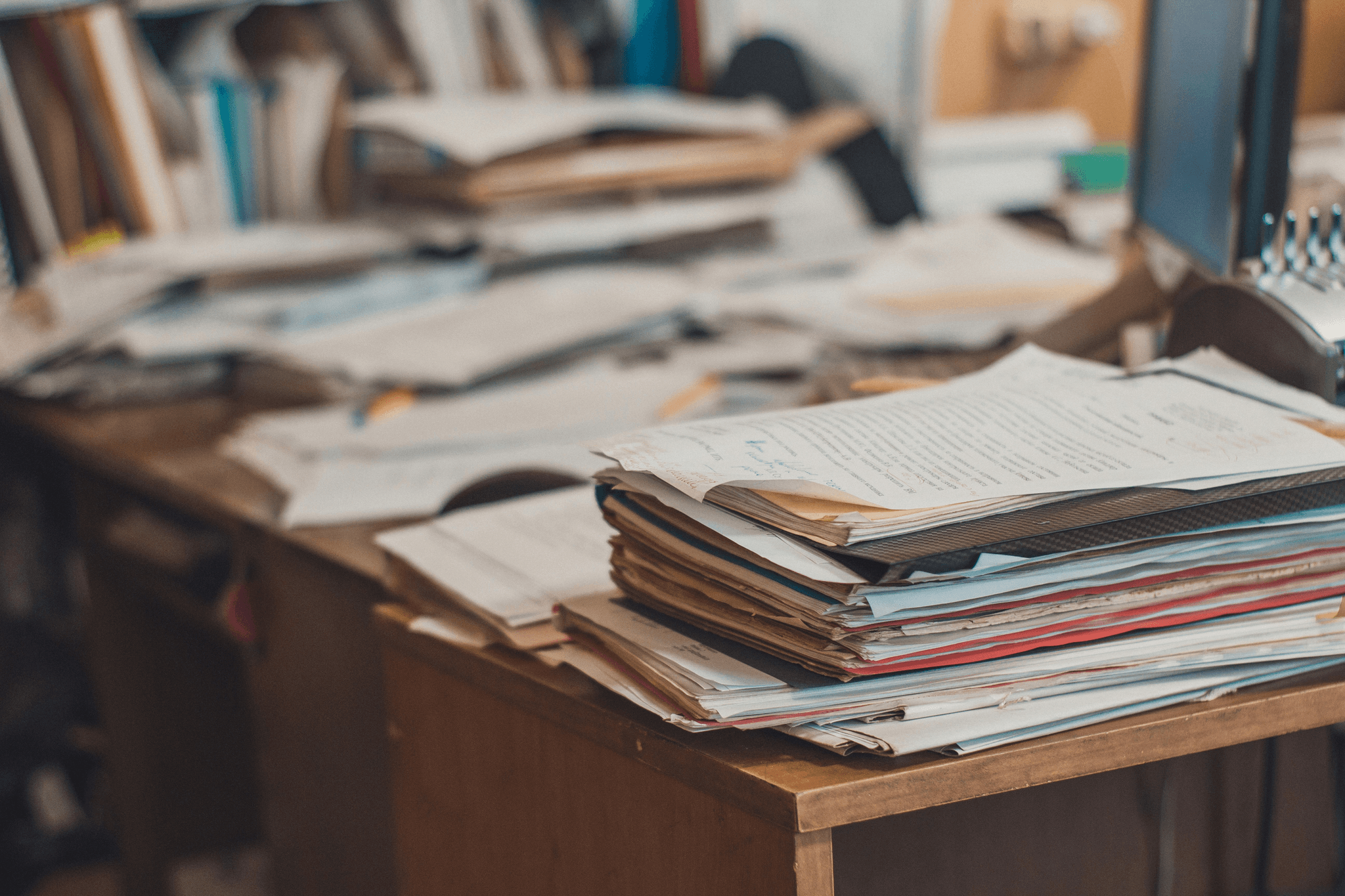
When you think of paper clips, steel is likely the first material that springs to mind. But what is a paper clip made of? Steel paper clips are crafted from a blend of iron and carbon, which gives them their characteristic strength and flexibility. This classic choice has stood the test of time, proving its worth in offices and homes around the globe.
Composition of Steel Paper Clips
Steel paper clips are primarily composed of low-carbon steel, which enhances their ductility while maintaining substantial tensile strength. The addition of other elements can vary slightly depending on the manufacturer, but generally, these clips contain about 0.1% to 0.3% carbon along with trace amounts of manganese and silicon for improved performance. This composition allows for a balance between rigidity and pliability—perfect for holding together stacks of papers without losing shape.
Advantages of Steel in Paper Clips
One major advantage of steel in paper clips is its durability; these little marvels can withstand years of use without breaking or bending out of shape. Unlike some alternatives, steel paper clips maintain their grip over time, making them reliable companions for your paperwork needs. Additionally, they offer a cost-effective solution since they are inexpensive to produce and widely available—no need to break the bank just to keep your documents organized!
Environmental Impact of Steel Production
While steel has numerous benefits as a material for paper clips, we can't ignore its environmental impact during production. The extraction and processing involved in creating low-carbon steel can lead to significant greenhouse gas emissions and resource depletion if not managed responsibly. However, advancements in sustainable practices are being made; many manufacturers are now utilizing recycled materials or adopting greener production methods to mitigate these effects—an encouraging trend as we explore what is a paper clip made of.
Plastic: The Versatile Alternative
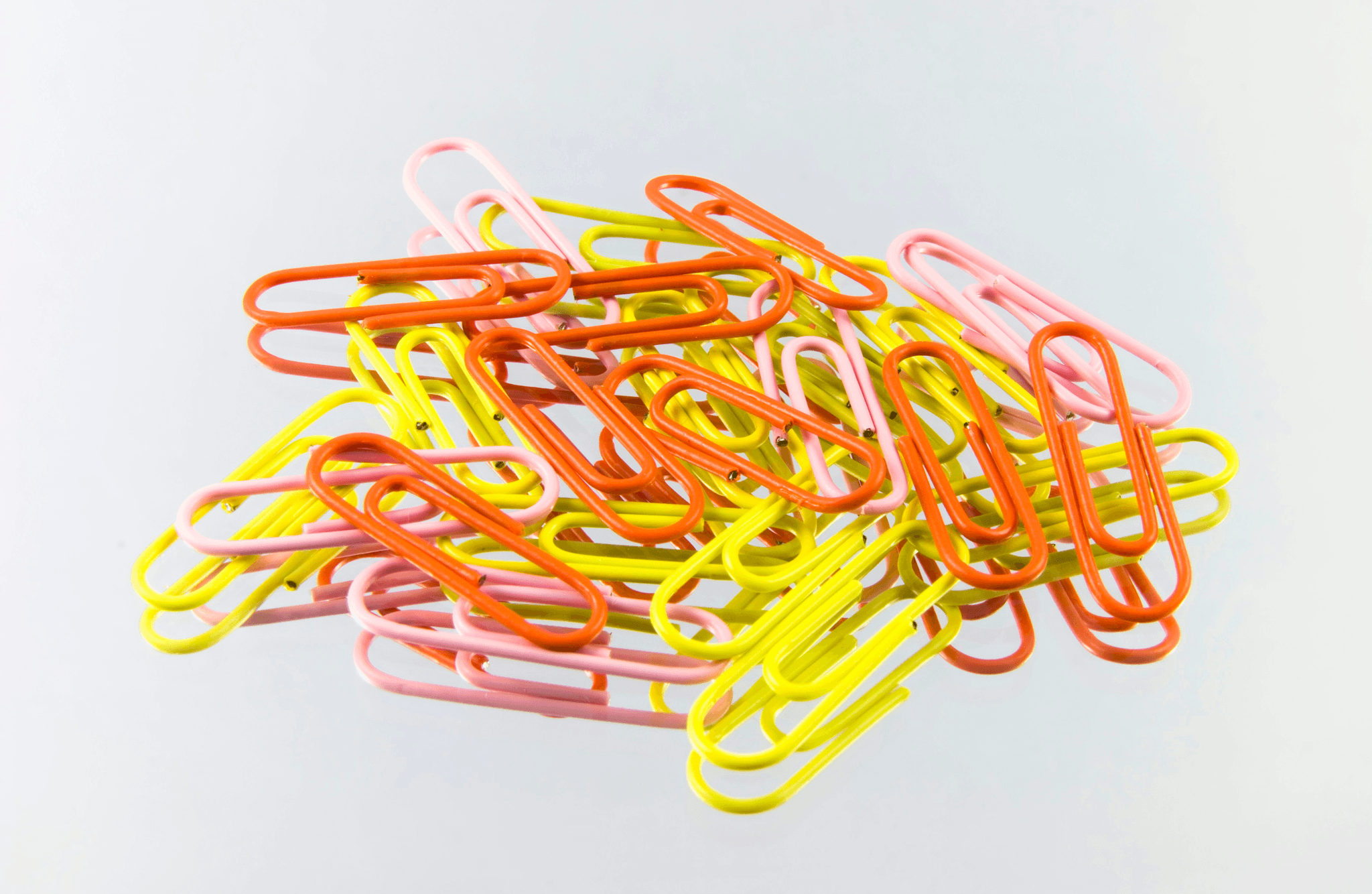
When you think about what a paper clip is made of, steel or brass might come to mind first. However, plastic has become an increasingly popular choice in the world of office supplies. Its lightweight nature and vibrant colors make it an appealing alternative for those looking to add a bit of flair to their paperwork.
Types of Plastics Used in Paper Clips
There are several types of plastics used in the manufacturing of paper clips, with polypropylene and polystyrene being the most common. Polypropylene is known for its flexibility and strength, making it ideal for holding papers together without bending out of shape. On the other hand, polystyrene offers a more rigid structure that can be molded into various shapes and colors, allowing for creative designs that make your office supplies stand out.
Benefits of Using Plastic Paper Clips
Plastic paper clips bring several benefits to the table—pun intended! For starters, they are lightweight and won’t weigh down your documents like their metal counterparts might. Additionally, they come in a rainbow of colors, which not only adds a splash of personality but also helps with organization; you can easily color-code your files for quick reference!
Another significant advantage is their resistance to rust and corrosion—something that can plague metal options like steel or brass over time. Plus, when you ask yourself what is a paper clip made of? You’ll find that plastic clips are often less expensive than metal ones, making them budget-friendly for both individuals and businesses alike.
Recycling and Sustainability of Plastics
While plastic has its perks, sustainability remains a hot topic when discussing what paper clips are made from. Many manufacturers are now focusing on using recycled plastics to create new products, which helps reduce waste while still providing functional office supplies. Furthermore, some companies have started producing biodegradable plastics that break down more quickly than traditional options.
However, it's essential to remember that recycling practices vary around the globe; not all locations have facilities capable of processing plastic waste effectively. As consumers become more eco-conscious, choosing plastic paper clips made from recycled materials can contribute positively to reducing environmental footprints while keeping our desks organized—just like those nifty nitinol paperclips!
Brass: A Touch of Elegance
Brass paper clips might not be the first thing that comes to mind when you think of office supplies, but they bring a unique flair to the table. What is a paper clip made of? Well, brass is an alloy primarily composed of copper and zinc, giving it distinct properties that set it apart from traditional steel clips. Its malleability allows for intricate designs while maintaining strength, making brass not just functional but also aesthetically pleasing.
Properties of Brass Paper Clips
Brass paper clips boast several notable properties that enhance their usability and appeal. They are resistant to corrosion and tarnishing, which means they maintain their golden sheen over time without much upkeep. Additionally, brass has a natural antimicrobial quality, making these clips a healthier choice for shared workspaces where germs can thrive.
When to Use Brass Instead of Steel
Choosing between brass and steel paper clips often depends on the context in which they will be used. If you're looking for something more elegant for presentations or formal documents, brass is your go-to option due to its sophisticated appearance. On the other hand, if you're simply organizing stacks of paperwork in a less formal setting, steel may suffice—unless you want to impress with your stylish choice!
The Aesthetic Appeal of Brass Clips
The aesthetic appeal of brass paper clips cannot be overstated; they add a touch of class that can elevate mundane office tasks into something special. Their warm golden hue catches the eye and can even complement luxurious stationery or high-end presentations beautifully. Plus, who wouldn't want to have unique nitinol paperclips alongside their classic brass counterparts? The combination showcases an appreciation for both elegance and innovative materials.
Stainless Steel: The Rust-Resistant Option
When we think of paper clips, stainless steel often comes to mind as the quintessential choice. Its unique properties not only enhance functionality but also ensure longevity, making it a favorite for many users. But what is a paper clip made of? In the case of stainless steel clips, it’s all about that perfect blend of iron, chromium, and nickel.
How Stainless Steel is Made
Stainless steel begins its journey as iron ore, which undergoes a series of transformations in high-temperature furnaces. The addition of chromium (at least 10.5%) creates a protective layer that prevents rusting, making it ideal for environments where moisture lurks. This process is not just about durability; it's also about creating a material that can be shaped into various forms—like those trusty stainless steel paper clips we rely on.
Durability and Strength of Stainless Steel Clips
One of the standout features of stainless steel paper clips is their impressive strength and resilience. Unlike their plastic counterparts, these metal wonders can withstand substantial pressure without bending or breaking—a crucial factor when you're juggling stacks of paperwork. Moreover, the rust-resistant nature means that even in humid conditions, your stainless steel paper clips will remain functional and aesthetically pleasing.
Applications Beyond Standard Paper Clipping
While they shine in the office environment as reliable organizers, stainless steel paper clips have found their way into many unexpected applications. From securing cables to being used as makeshift tools in emergencies (who knew?), their versatility knows no bounds! Additionally, with advancements in materials science—such as nitinol paperclips emerging on the scene—there's potential for even more innovative uses beyond standard clipping tasks.
Nitinol: The Shape Memory Innovator
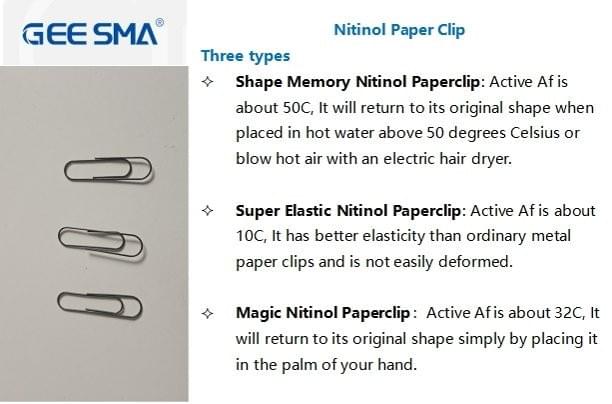
Nitinol, an alloy of nickel and titanium, is a remarkable material that exhibits unique properties, particularly its ability to remember shapes. When heated to a certain temperature, nitinol can return to its original form after being deformed, making it an exciting candidate for innovative applications like nitinol paperclips. This shape memory effect not only adds functionality but also opens the door for creative designs in everyday items.
What is Nitinol and Its Unique Properties
So, what is a paper clip made of when it comes to nitinol? The combination of nickel and titanium gives nitinol its distinctive characteristics: superelasticity and shape memory. These properties allow it to withstand significant bending without permanent deformation—perfect for a paper clip that needs to hold together documents without losing its grip or shape over time.
Nitinol's superelasticity means that even if you stretch or twist a nitinol paperclip, it will spring back into its original form once released. This resilience makes it an ideal choice for those who want their clips to last longer than the average steel or plastic option. Additionally, this unique behavior can lead to fun interactions; imagine watching your clip dance back into shape right before your eyes!
Nitinol Paperclips in Action
When you think about how practical a nitinol paperclip could be, the possibilities are intriguing! A nitinol paperclip could easily hold together stacks of papers while also showcasing its fascinating properties during use. For instance, if you accidentally bend one out of shape during your frantic office moments, simply warming it up (perhaps with your hands) can restore it back to its original configuration.
Moreover, these innovative clips can be designed in various shapes and sizes while maintaining their functionality—after all, who said office supplies couldn't be stylish? With their ability to return to form after deformation, nitinol paperclips may become the go-to choice for those who value both aesthetics and practicality in their office supplies. Picture organizing your documents with clips that not only work well but also spark conversations about their cutting-edge material!
The Role of GEE SMA in Nitinol Production
The production of nitinol involves advanced techniques such as those developed by GEE SMA (Shape Memory Alloys), which specialize in creating high-quality materials tailored for specific applications like our beloved nitinol paperclips. GEE SMA utilizes precise control over the alloying process to ensure optimal performance characteristics are achieved for each batch produced. By carefully balancing the nickel-titanium ratio and controlling heat treatments during manufacturing, they create an exceptional product ready for everyday use.
Thanks to GEE SMA's innovations in material science, we now have access to functional yet stylish options like the nitinol paperclip that stands apart from traditional materials such as steel or plastic. As more people discover what is a paper clip made of beyond conventional choices, it's likely we'll see increased interest in these sophisticated tools that blend functionality with modern technology seamlessly!
Conclusion
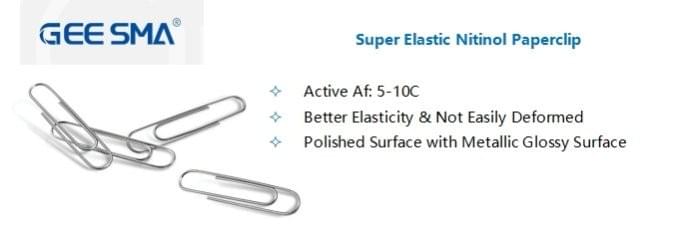
In wrapping up our exploration of paper clips, it’s clear that these seemingly simple tools are far more complex than they appear. From steel to nitinol paperclips, each material brings its own unique advantages and characteristics to the table. As we’ve seen, understanding what a paper clip is made of can help us appreciate the innovation behind this everyday item.
The Multifaceted Nature of Paper Clips
Paper clips come in a variety of materials and designs, each serving different purposes and preferences. Whether you prefer the classic steel version or opt for the more modern nitinol paperclip, there’s no denying their versatility. This multifaceted nature not only showcases human ingenuity but also highlights how even the simplest objects can be engineered for specific tasks.
Choosing the Right Material for Your Needs
When it comes to selecting a paper clip, understanding what it is made of can significantly impact your choice. Steel offers durability and strength, while plastic provides flexibility and color options; however, nitinol paperclips introduce an exciting twist with their shape memory properties. Assessing your needs—whether aesthetic appeal or functional efficiency—will guide you in choosing the right material for your next office supply haul.
The Future of Paper Clips and Material Science
Looking ahead, advancements in material science promise even more innovative developments in everyday items like paper clips. Nitinol paperclips exemplify how new materials can enhance functionality while adding unique features that traditional clips lack. As we continue to explore what a paper clip is made of, who knows what creative solutions will emerge next?