

Introduction

Nitinol, a remarkable alloy composed primarily of nickel and titanium, is celebrated for its unique properties that set it apart from traditional materials. Known as a shape memory alloy, Nitinol exhibits the fascinating ability to return to its original shape after deformation when subjected to specific temperature changes. This incredible characteristic of the shape memory of Nitinol has paved the way for revolutionary applications across various fields, particularly in medicine and engineering.
What is Nitinol and its Properties
At its core, Nitinol is a type of shape memory metal that boasts exceptional elasticity and resilience. Its defining feature lies in the phase transformation between austenite and martensite structures, allowing it to remember its original form even after being bent or twisted. Compared to traditional materials like titanium alloys, this alloy metal offers superior performance in demanding environments due to its unique combination of strength, flexibility, and biocompatibility.
Understanding Shape Memory Alloys
Shape memory alloys (SMAs) are materials that can undergo significant deformation but return to their predetermined shapes when exposed to specific thermal conditions. This property makes them particularly valuable in applications where precision and reliability are paramount. The science behind SMAs involves complex thermodynamics; however, at their essence, these metals offer engineers innovative solutions that can adapt dynamically without compromising structural integrity.
The Role of GEE SMA in Nitinol
GEE SMA plays an integral role in enhancing the capabilities of Nitinol by providing tailored solutions for various applications across multiple industries. By manipulating the composition and processing techniques of this shape memory alloy, manufacturers can create customized products that meet specific performance requirements while maintaining all the advantages associated with titanium alloy materials. As we delve deeper into this topic, we will uncover how GEE SMA's contributions continue to push the boundaries of what is possible with shape memory metals.
Unique Ability to Return to Original Shape
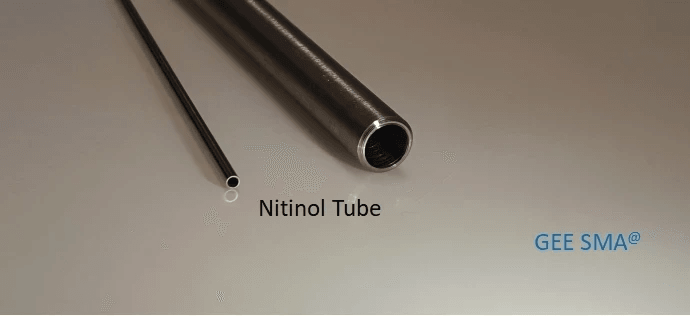
Nitinol, a remarkable shape memory alloy, possesses an extraordinary ability to revert to its original configuration after deformation. This unique characteristic is rooted in the material's atomic structure, which allows it to remember its initial shape when subjected to specific temperature conditions. The phenomenon of the shape memory of nitinol is not just a scientific curiosity; it has practical implications across various industries, particularly in medical devices.
How Shape Memory Works
The magic behind the shape memory of nitinol lies in its phase transformation between two distinct states: martensite and austenite. When cooled below a certain temperature, nitinol becomes pliable and can be easily deformed into various shapes—a state known as martensite. Upon heating above this threshold, it transforms back into its original form (austenite), demonstrating the fascinating properties of shape memory metals that make them so valuable.
This transition is not merely a mechanical trick; it's deeply rooted in the material's crystalline structure at molecular levels. The ability of these shape memory alloys to return to their predefined shapes under specific thermal conditions opens up innovative pathways for design and application that traditional materials like titanium metal alloy cannot match. Understanding this mechanism allows engineers and designers to harness the full potential of nitinol in creative ways.
Applications in Medical Devices
The unique properties of shape memory alloys have led to groundbreaking applications within medical devices that enhance patient care and outcomes significantly. For instance, stents made from nitinol can expand within blood vessels at body temperature, providing essential support without requiring complex surgical procedures or permanent implants made from titanium alloy materials. This adaptability showcases how the shape memory of nitinol can revolutionize treatments by minimizing invasiveness while maximizing effectiveness.
Moreover, guidewires and catheters designed with nitinol benefit from its flexibility and strength—qualities that are crucial for navigating through delicate anatomical structures during surgical procedures. These devices demonstrate how the exceptional characteristics of shape memory metals allow for improved performance compared to traditional materials like titanium alloy metal or other rigid options available on the market.
As more innovations emerge using this technology, we are likely only scratching the surface of what’s possible with medical applications utilizing this remarkable alloy metal. From orthopedic implants that adjust based on body temperature to minimally invasive surgical tools that adapt during use, the future is bright for those embracing the power inherent in the shape memory properties of nitinol.
Impact on Surgical Techniques
The integration of nitinol's unique attributes into surgical techniques has been transformative—ushering in an era where precision meets adaptability seamlessly. Surgeons now have access to tools that can conform dynamically during procedures due to their inherent flexibility; this capability drastically reduces risks associated with rigid instruments traditionally used alongside titanium alloys or other standard materials.
For example, laparoscopic surgeries benefit immensely from instruments made with these advanced alloys as they allow surgeons greater maneuverability while ensuring stability once positioned correctly inside a patient's body cavity. This innovation not only enhances surgical outcomes but also shortens recovery times—an essential consideration for patients aiming for swift returns home post-operation.
In conclusion, by leveraging the remarkable abilities offered by shape memory alloys like nitinol within medical settings, we are witnessing profound changes in how surgeries are performed today compared with previous generations reliant on less adaptable technologies such as titanium metal alloys alone.
Exceptional Biocompatibility

Nitinol, a remarkable shape memory alloy, stands out in the realm of biocompatibility. Unlike traditional materials such as titanium alloy metals, which can sometimes provoke adverse reactions in the body, Nitinol exhibits an impressive compatibility with biological tissues. This exceptional biocompatibility makes it a preferred choice for medical applications where interaction with living systems is crucial.
The Advantages Over Traditional Materials
One of the most significant advantages of the shape memory of Nitinol over traditional materials like titanium metal alloys is its ability to minimize inflammatory responses. While titanium alloy materials are generally well-tolerated, they can still lead to some complications due to their surface properties and reactivity. In contrast, shape memory metals like Nitinol not only integrate seamlessly into biological environments but also promote healing and tissue regeneration more effectively.
Moreover, Nitinol's unique characteristics allow for less invasive surgical techniques, reducing recovery time and improving patient outcomes. The flexibility and adaptability inherent in the shape memory alloy enable surgeons to create devices that conform perfectly to anatomical structures without causing trauma. This adaptability sets Nitinol apart from conventional titanium alloys.
Examples in Implant Technology
Nitinol's exceptional biocompatibility has led to its widespread use in various implant technologies, particularly stents and orthopedic implants. For instance, self-expanding stents made from shape memory alloys can navigate through complex vascular pathways before expanding at targeted sites within blood vessels. This innovative application not only enhances procedural efficiency but also minimizes complications associated with traditional stent deployment methods using rigid titanium alloy materials.
Additionally, orthopedic implants crafted from shape memory metals offer improved fixation and stability within bone structures due to their ability to adapt under physiological conditions. These implants can conform better to bone shapes during healing processes while providing necessary support without compromising biocompatibility or performance—something that standard titanium metal alloys may struggle with under certain circumstances.
Shape Memory Alloys in Dentistry
The dental field has also embraced the benefits of shape memory alloys like Nitinol for various applications ranging from orthodontics to endodontics. In orthodontics, wires made from this innovative material exhibit excellent spring-back properties that align teeth effectively while applying gentle forces over time—far superior compared to traditional stainless steel or even titanium alloy products often used previously.
In endodontic procedures, Nitinol files have revolutionized root canal treatments by providing enhanced flexibility and resistance against breakage compared to conventional instruments made from more rigid materials like titanium alloy metal or stainless steel. This capability allows dentists to navigate curved canals more efficiently while maintaining high levels of biocompatibility throughout treatment.
Overall, the integration of shape memory metals such as Nitinol into dentistry exemplifies how these advanced materials are reshaping healthcare practices by offering solutions that prioritize both functionality and patient safety.
Lightweight and Strong Properties
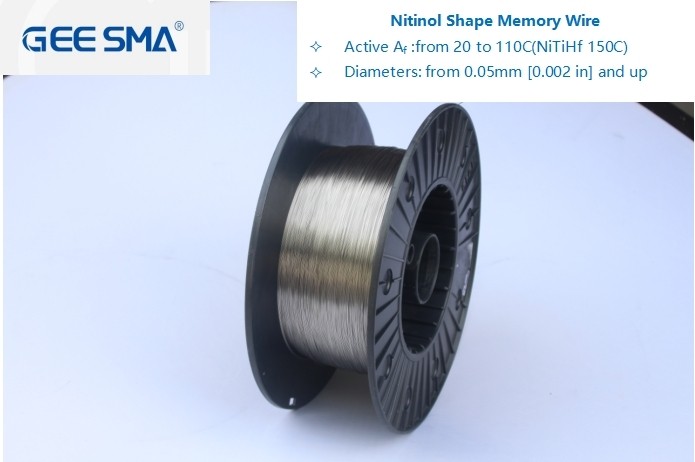
The shape memory of Nitinol allows it to return to its original form after deformation, giving it unique advantages over titanium alloy materials. While titanium metal alloys are known for their strength-to-weight ratio, Nitinol's properties as a shape memory alloy elevate its performance in applications where flexibility and resilience are paramount.
Comparison with Titanium Alloys
In the realm of engineering materials, titanium alloys have long been celebrated for their impressive strength and lightweight characteristics. However, when you introduce the shape memory metals like Nitinol into the mix, the game changes dramatically. Unlike titanium alloy metal which can be rigid and less adaptable under stress, the shape memory of Nitinol allows it to absorb shocks and revert back to its designated form without permanent deformation—an essential quality in many high-stakes applications.
Influence on Aerospace Applications
The aerospace industry is always on the lookout for materials that can withstand extreme conditions while remaining lightweight—a perfect match for shape memory alloys like Nitinol. With its remarkable combination of strength and lightness, Nitinol is making waves in aircraft design where every ounce matters; engineers are increasingly turning toward this innovative material instead of conventional titanium metal alloys. The ability of shape memory metals to change shapes during flight or under varying pressure conditions offers unprecedented design flexibility that can lead to more efficient aerodynamics.
Benefits in Automotive Design
In automotive design, weight reduction is crucial not just for performance but also for fuel efficiency; this is where the lightweight properties of Nitinol come into play against traditional titanium alloy materials. Cars equipped with components made from shape memory alloys benefit from reduced weight without sacrificing durability or safety—an ideal combination for modern vehicles striving for greener performance metrics. Furthermore, automotive manufacturers are exploring how the unique shape memory of nitinol can enhance features like self-repairing parts or adaptive components that respond dynamically to driving conditions.
Versatility in Design and Manufacturing
Nitinol, a remarkable shape memory alloy, stands out for its versatility in design and manufacturing. Its unique properties allow for extensive customization, making it a favorite in various industries. The ability to tailor the shape memory of nitinol components ensures they meet specific functional requirements while maintaining performance.
Customization Capabilities of Nitinol
The customization capabilities of nitinol are nothing short of astonishing. Engineers can manipulate the shape memory alloy during production to achieve desired forms that respond predictably under different conditions. This flexibility is particularly beneficial when designing complex medical devices or intricate components where precision is paramount.
Moreover, the unique thermal and mechanical properties of nitinol enable it to be crafted into various shapes and sizes without compromising its integrity. This adaptability contrasts sharply with traditional materials like titanium alloys, which may not offer the same level of customizability. As such, the shape memory metals are increasingly favored in applications requiring bespoke solutions.
GEE SMA's Role in Tailored Solutions
GEE SMA has taken the concept of tailored solutions to new heights within the realm of nitinol applications. By leveraging advanced manufacturing techniques, GEE SMA can produce components that align perfectly with specific operational demands across diverse sectors. Whether it's creating stents that conform seamlessly to blood vessels or specialized fasteners for aerospace projects, their expertise ensures optimal performance.
This focus on tailored solutions enhances not only functionality but also durability, setting GEE SMA apart from competitors who primarily work with standard titanium metal alloy options. The innovative approach allows for greater efficiency and reduced costs in production while maximizing the benefits associated with the shape memory alloy's unique characteristics.
Applications Across Different Industries
The versatility of nitinol finds applications across an impressive array of industries—from healthcare to aerospace and automotive design. In medicine, its use in stents and orthodontic wires showcases how the shape memory metals can improve patient outcomes through enhanced biocompatibility and adaptability during procedures.
In aerospace engineering, manufacturers are increasingly turning to nitinol due to its lightweight yet robust nature compared to conventional titanium alloys; this shift helps improve fuel efficiency while ensuring safety standards remain uncompromised. Similarly, automotive designers appreciate how incorporating shape memory alloys can lead to innovative mechanisms that enhance vehicle performance without adding unnecessary weight.
Overall, as industries continue exploring new possibilities with these extraordinary materials—especially concerning their customization capabilities—the future looks bright for both nitinol and GEE SMA innovations.
High Resistance to Corrosion
Nitinol, a remarkable shape memory alloy, is celebrated not only for its unique properties but also for its impressive resistance to corrosion. This high resistance is one of the standout advantages of using shape memory metals in various applications. Unlike traditional materials such as titanium alloy metal, which can corrode under certain conditions, the corrosion resistance of Nitinol makes it an ideal choice for long-lasting solutions in challenging environments.
Advantages of Using Shape Memory Metals
The primary advantage of using shape memory metals like Nitinol lies in their ability to return to a predetermined shape when exposed to specific temperatures. This feature is particularly beneficial in applications where durability and reliability are crucial, such as medical devices and aerospace components. Additionally, the inherent corrosion resistance of these alloys minimizes maintenance needs compared to conventional materials like titanium alloy material, ensuring longevity and cost-effectiveness.
Moreover, the unique properties of Nitinol allow it to perform exceptionally well in environments that would typically degrade traditional alloys. For instance, while titanium metal alloy may face challenges in corrosive settings, shape memory alloys stand firm against oxidation and other forms of degradation. This resilience enhances their appeal across industries that prioritize both performance and longevity.
Performance in Harsh Environments
In harsh environments—be it saltwater applications or extreme temperature fluctuations—Nitinol shines with its superior performance compared to many other materials including titanium alloys. The ability of this shape memory alloy to resist corrosion means that it can be used confidently in marine applications or even within the human body without fear of degradation over time. As a result, medical implants made from Nitinol can remain functional and safe for extended periods without compromising patient health due to material failure.
Furthermore, industries such as oil and gas have recognized the benefits of employing shape memory metals like Nitinol due to their ability to withstand extreme conditions while maintaining structural integrity. Unlike traditional materials that may succumb easily under stress or corrosive elements, Nitinol's robust nature ensures that equipment remains operational longer with less frequent replacements needed—a win-win scenario for businesses looking at both efficiency and cost savings.
The Future of Nitinol in Space Exploration
The future looks bright for Nitinol within the realm of space exploration as agencies seek advanced materials capable of enduring harsh cosmic conditions while retaining functionality through temperature variations and radiation exposure. The unique properties offered by this shape memory alloy make it an attractive candidate for spacecraft components where lightweight yet durable materials are essential—think deployable structures or adaptive mechanisms that need quick responses without added weight penalties common with heavier titanium alloys.
As missions evolve toward deeper space exploration requiring more resilient materials capable of withstanding uncharted territories beyond Earth’s atmosphere, the role of shape memory metals will likely expand further into innovative designs previously thought impossible with conventional alloys like titanium metal alloy options alone. With ongoing research into enhancing these properties even further, we may see breakthroughs that solidify Nitinol’s position at the forefront of aerospace technology.
Conclusion
In wrapping up our exploration of Nitinol and its remarkable properties, it's clear that the shape memory of Nitinol offers unparalleled advantages across various applications. From its unique ability to return to an original shape after deformation to its exceptional biocompatibility, this alloy metal stands out in numerous industries. Moreover, the lightweight yet strong characteristics of Nitinol make it a formidable competitor against traditional materials like titanium alloys.
Recap of Nitinol’s Key Benefits
Nitinol's standout feature is its shape memory effect, allowing it to revert back to a predetermined shape when exposed to specific temperatures. This property is particularly beneficial in medical devices where precision and reliability are paramount. Additionally, the corrosion resistance and biocompatibility of this shape memory alloy ensure long-lasting performance in challenging environments, making it a preferred choice over conventional titanium alloy materials.
Why Choose Shape Memory Alloys
Choosing shape memory alloys like Nitinol means opting for innovation and reliability in design and functionality. The versatility inherent in these materials allows for customization that meets specific requirements across various fields—from healthcare to aerospace engineering. Furthermore, with their strength-to-weight ratio surpassing that of many titanium metal alloys, these shape memory metals are not just practical; they also push the boundaries of what’s possible in engineering.
The Future of GEE SMA and Nitinol
Looking ahead, the future for GEE SMA and Nitinol appears bright as advancements continue to enhance their capabilities further. As industries evolve and demand more sophisticated solutions, the adaptability of these shape memory alloys will likely lead to new applications we can scarcely imagine today. With ongoing research into their properties and potential uses, we can expect that the influence of Nitinol will only grow stronger in shaping technologies across diverse sectors.