

Introduction
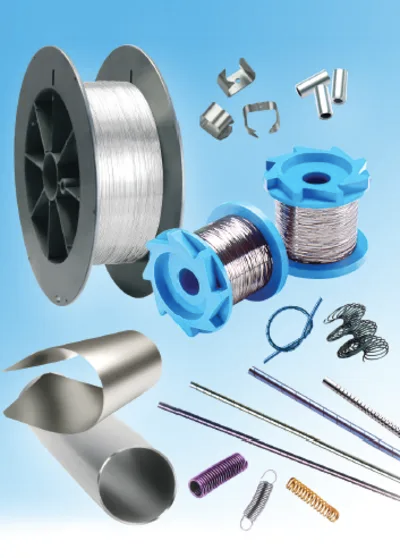
Welcome to the fascinating world of shape memory wires, where materials have a unique ability to return to their original form after being deformed. These remarkable inventions, known as shape memory alloys, are not just science fiction; they are revolutionizing various industries with their extraordinary properties. From aerospace engineering to medical devices, the applications of these materials are as diverse as they are innovative.
The Magic of Shape Memory Wires
Imagine a wire that can bend and twist but then magically revert back to its original shape when heated. This is the magic of shape memory wires, which possess a special feature called the shape memory effect. When you explore shape memory alloys examples, it's easy to see why these materials captivate engineers and researchers alike; their ability to perform under various conditions opens up endless possibilities.
How Shape Memory Alloys Work
At the heart of every shape memory wire is a fascinating process driven by temperature changes that trigger transformations in their crystalline structure. When cooled below a certain temperature, these alloys can be easily deformed; however, once heated above this threshold, they return to their predetermined shapes with impressive speed and precision. Understanding how shape memory alloys work not only showcases their unique capabilities but also highlights why they have become essential in cutting-edge technology.
Real-World Applications Explored
From self-repairing structures in aerospace applications to innovative surgical tools in medicine, the real-world applications of shape memory wires are both practical and groundbreaking. Their versatility makes them ideal for use in environments where traditional materials might fail due to extreme conditions or high stress levels. As we delve deeper into this topic, we'll explore how these remarkable materials continue shaping our future while considering factors like shape memory wires price and long-term value compared to conventional options.
The Science Behind Shape Memory Wires
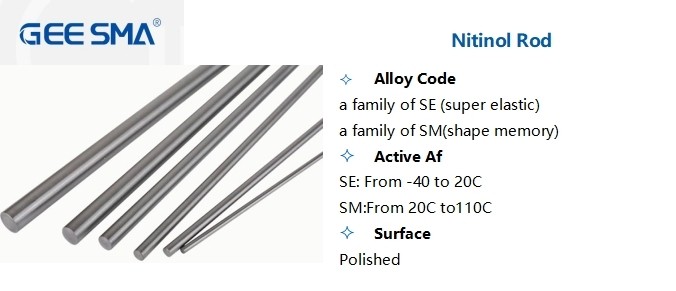
When it comes to the fascinating world of shape memory wires, understanding the underlying principles of shape memory alloys (SMAs) is essential. These unique materials can return to a pre-defined shape when subjected to certain stimuli, primarily temperature changes. This remarkable property has opened doors to numerous applications across various fields, showcasing the versatility and innovation that shape memory alloys offer.
Understanding Shape Memory Alloys
Shape memory alloys are metallic materials that have the extraordinary ability to remember their original form after being deformed. This phenomenon occurs due to a reversible phase transformation between two distinct crystal structures: a high-temperature phase known as austenite and a low-temperature phase called martensite. When cooled or heated, these materials can switch between these phases, allowing shape memory wires to revert back to their predetermined shapes with remarkable precision.
The magic of shape memory alloys lies not just in their unique properties but also in their composition, typically consisting of nickel and titanium (NiTi). These elements create an alloy that exhibits excellent mechanical properties while maintaining flexibility and durability—key attributes for applications ranging from aerospace engineering to medical devices. As we delve deeper into the science behind these materials, it's clear why they have become integral components in modern technology.
The Role of Temperature Changes
Temperature changes play a crucial role in activating the shape memory effect within these alloys. When heated above a specific temperature threshold, known as the transformation temperature, the alloy transitions back into its original shape from its deformed state. Conversely, when cooled below this threshold, it adopts its martensitic form—allowing for deformation without permanent damage.
This thermal responsiveness enables engineers and designers to harness the potential of shape memory wires effectively. For instance, in robotic applications or actuators where precise movement is required, controlling temperature can lead to accurate positioning without relying on bulky motors or complex mechanisms. The ability of shape memory alloys to function efficiently under varying temperatures makes them invaluable across multiple industries.
Real-Life Examples of Shape Memory Alloys
Real-life examples of shape memory alloys illustrate their transformative capabilities in everyday applications. One notable instance is their use in self-expanding stents within medical procedures; when inserted into blood vessels at room temperature, they expand upon being warmed by body heat—restoring proper blood flow effortlessly. This innovative application showcases how effectively these materials enhance patient care through cutting-edge technology.
In aerospace engineering, companies are exploring how shape memory wires can be utilized for morphing wing structures that adapt during flight for improved aerodynamics and fuel efficiency. Such innovations demonstrate not only how versatile SMAs are but also highlight their potential impact on future technologies and sustainability efforts within various sectors.
Moreover, advancements in research have led scientists to explore other forms like shape memory polymers (SMPs), expanding possibilities beyond traditional metal-based SMAs while retaining similar functionalities with added benefits like lighter weight and greater flexibility—further broadening our understanding of what’s possible with smart materials today.
Advantages of Using Shape Memory Wires
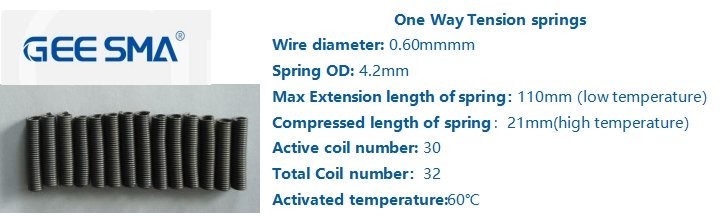
Shape memory wires are revolutionizing various industries, offering unique benefits that traditional materials simply can't match. Their ability to return to a predetermined shape after deformation is not just a neat trick; it translates into real-world advantages such as flexibility, efficiency, and durability. In this section, we’ll explore how these remarkable properties make shape memory alloys indispensable in modern applications.
Flexibility and Efficiency
One of the standout features of shape memory wires is their incredible flexibility. These materials can undergo significant deformation under stress but will revert to their original form when the temperature changes, making them incredibly efficient for applications requiring repeated motion or adjustment. Whether it's in robotics or automotive design, the flexibility offered by shape memory alloys allows for innovative designs that can adapt dynamically to different conditions.
Moreover, this unique property enhances energy efficiency since devices utilizing shape memory wires require less power to operate compared to conventional systems. Imagine a robotic arm that can bend and twist with ease while using minimal energy; that's the magic of shape memory alloys at work! The combination of flexibility and efficiency makes these materials ideal for applications where performance and sustainability go hand in hand.
Lightweight and Durable Materials
When it comes to material selection, weight is often a critical factor—especially in sectors like aerospace and automotive engineering. Shape memory wires are not only lightweight but also boast impressive durability, which means they can withstand harsh conditions without compromising performance. This characteristic is particularly beneficial in aerospace applications where every ounce counts; engineers are always on the lookout for ways to reduce weight while maintaining structural integrity.
Additionally, the durability of shape memory alloys ensures longevity in products made from them, reducing maintenance costs over time. For instance, surgical tools made from these materials offer both precision and resilience—qualities that are paramount in medical settings where failure is not an option. By choosing lightweight yet durable options like shape memory wires, industries can enhance their overall efficiency without sacrificing quality.
Applications in Modern Technology
The versatility of shape memory alloys opens up a treasure trove of possibilities across various fields—from robotics to healthcare innovations. For example, many modern medical devices utilize shape memory wires because they can conform perfectly to anatomical structures while providing necessary support during procedures or recovery phases. This adaptability is crucial for enhancing patient care through advanced technology.
In addition to healthcare advancements, you’ll find these remarkable materials making waves in consumer electronics as well—think about self-adjusting eyeglasses or smartphone components that respond intelligently to user needs! As we continue exploring new horizons with shape memory polymers and alloys examples abound across sectors like automotive safety features or even climate-responsive architecture designs too! The future looks bright with endless potential driven by these innovative technologies.
Shape Memory Alloys in Aerospace
When it comes to aerospace engineering, the innovative capabilities of shape memory alloys (SMAs) are transforming how we approach design and functionality. These materials, known for their ability to return to a pre-defined shape when exposed to specific temperature changes, are particularly useful in environments where reliability is paramount. The use of shape memory wires in aerospace applications not only enhances performance but also contributes significantly to mission success.
GEE SMA’s Contributions to Space Missions
GEE SMA has been at the forefront of integrating shape memory wires into space missions, revolutionizing how spacecraft operate in harsh conditions. Their contributions include deploying actuators made from shape memory alloys that can adjust components on-the-fly, ensuring optimal performance even during extreme temperature fluctuations. By utilizing these advanced materials, GEE SMA has helped reduce the weight and complexity of spacecraft systems while enhancing their reliability.
Reliability in Extreme Environments
One of the standout features of shape memory alloys is their exceptional reliability in extreme environments encountered during space missions. Unlike traditional materials, SMAs can withstand significant thermal cycling without losing their functional properties, making them ideal for applications ranging from satellite deployment mechanisms to robotic arms on planetary rovers. This reliability translates into increased mission success rates and reduced costs associated with repairs or replacements—an essential factor when considering the price of shape memory wires compared to conventional alternatives.
Innovations in Aerospace Engineering
The integration of shape memory polymers and alloys into aerospace engineering has sparked a wave of innovation that reshapes design possibilities. Engineers are now exploring creative uses for these materials beyond simple actuation; they are being used for adaptive wing technologies that can modify shapes based on flight conditions or even deployable structures that enhance aerodynamics during takeoff and landing phases. These innovations not only improve aircraft performance but also pave the way for future advancements where lightweight and durable materials like shape memory wires will play an even larger role.
Medical Applications of Shape Memory Wires

Shape memory wires have revolutionized the medical field, offering innovative solutions that enhance surgical procedures and patient care. These remarkable materials, primarily shape memory alloys, can change shape in response to temperature variations, making them ideal for a variety of medical applications. As we dive into their specific uses in surgical tools and beyond, it becomes clear that the potential of shape memory wires is just beginning to be tapped.
Shape Memory Alloys in Surgical Tools
Surgical tools utilizing shape memory alloys have become a game-changer in minimally invasive surgeries. For instance, these alloys allow for instruments that can change shape during procedures, enabling surgeons to navigate complex anatomical structures more easily. With examples such as self-expanding stents and retractors made from these flexible materials, the efficiency of surgeries has significantly improved while minimizing patient recovery time.
Moreover, the unique properties of shape memory wires help reduce the risk of complications associated with traditional surgical tools. Their ability to return to a predetermined shape after deformation means they can perform their function reliably under various conditions. This reliability is crucial in high-stakes environments like operating rooms where precision is paramount.
Enhancing Patient Care with Technology
The integration of shape memory wires into medical devices not only enhances surgical outcomes but also improves overall patient care experiences. Devices like catheters and guidewires made from these advanced materials are designed for optimal flexibility and adaptability within the human body. This means less trauma during insertion and greater comfort for patients post-procedure.
Furthermore, technology using shape memory alloys can adapt to changing physiological conditions within patients' bodies during treatment. For example, implantable devices equipped with these materials can adjust their form based on temperature changes or other stimuli, ensuring they remain effective over time. This adaptability leads to more personalized care tailored to individual patient needs.
Future Potential in Medical Devices
The future potential of shape memory wires extends far beyond current applications; ongoing research continues to unveil new possibilities for their use in medical devices. Innovations such as smart implants that react dynamically to body signals could redefine how we approach treatment plans for chronic conditions or injuries requiring ongoing management. The versatility of shape memory polymers adds another layer of excitement as they offer even more options for customization and functionality.
As we explore the economic aspect related to shape memory wires price, it's essential to recognize that while initial costs may be higher than traditional materials, long-term benefits often outweigh these expenses through reduced hospital stays and faster recovery times for patients. The continued advancement in manufacturing processes will likely lead to decreased costs over time as well.
In conclusion, the intersection between technology and healthcare powered by shape memory alloys promises a future filled with innovations that prioritize patient well-being while enhancing surgical precision and efficacy.
The Economic Aspect: Shape Memory Wires Price
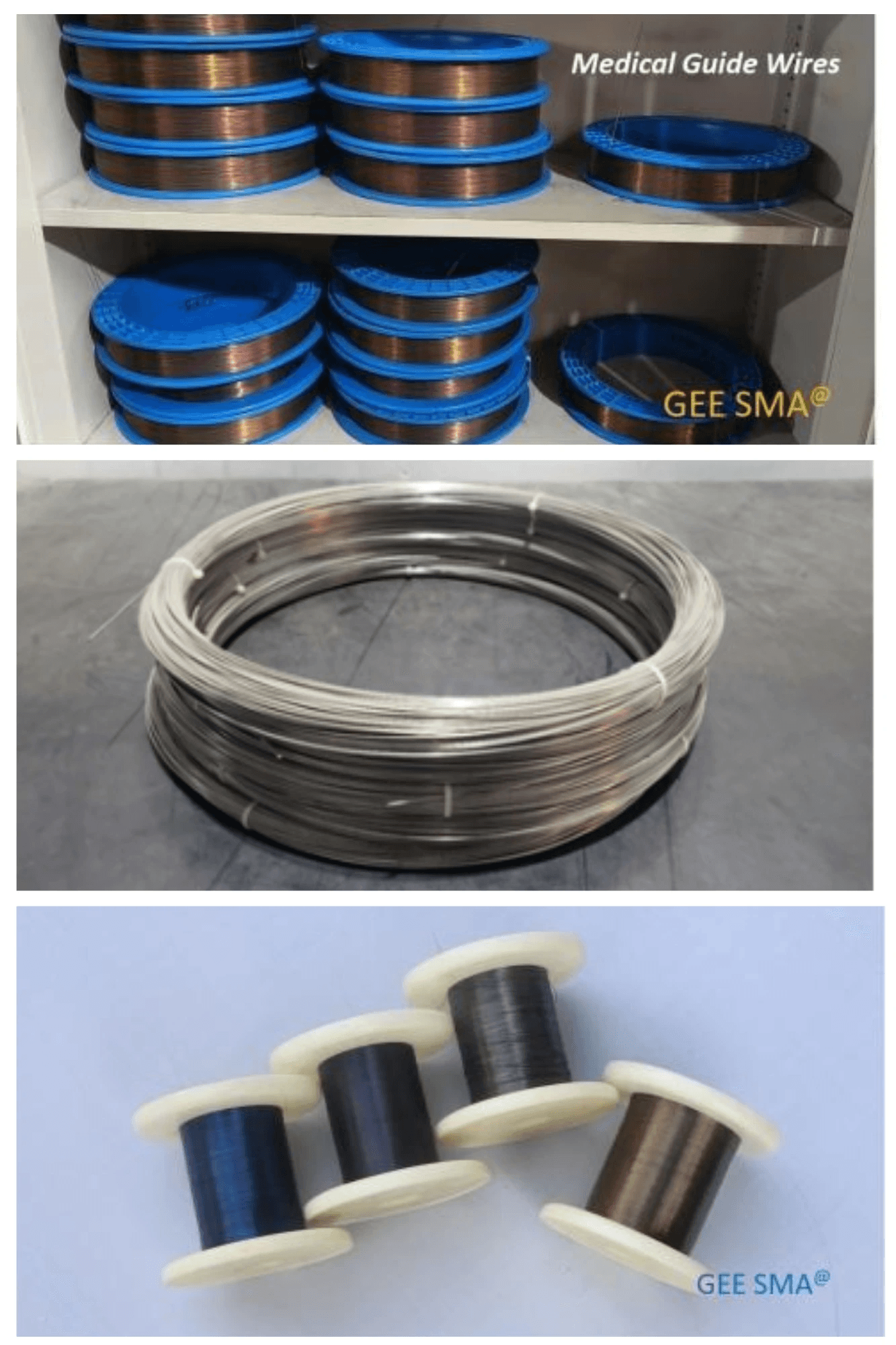
When it comes to the economics of shape memory wires, understanding their price is crucial for industries looking to innovate without breaking the bank. Several factors come into play, including material composition, manufacturing processes, and market demand. As these shape memory alloys gain traction in various sectors, their pricing dynamics are evolving rapidly.
Factors Influencing Price
The price of shape memory wires is influenced by multiple factors that can vary widely depending on the application and market conditions. Firstly, the raw materials used in producing shape memory alloys—such as nickel and titanium—can fluctuate in cost due to global supply chain issues or mining challenges. Secondly, advanced manufacturing techniques required to create these specialized wires also add to their overall price tag; processes like precision machining or heat treatment are not cheap but essential for optimal performance.
Additionally, research and development costs play a significant role in shaping the final price of shape memory alloys. As companies invest more into creating innovative applications of these materials, such as new shape memory polymer products or enhanced alloy compositions, this investment often translates into higher prices for consumers. Understanding these factors helps businesses make informed decisions when considering integrating shape memory wires into their operations.
Comparing Costs with Traditional Materials
When comparing the costs of shape memory wires with traditional materials like steel or aluminum, it’s essential to consider both short-term expenses and long-term benefits. While initial investments in shape memory alloys may be higher than conventional options, they often provide superior performance that can lead to cost savings down the line. For example, shape memory wires can reduce maintenance costs due to their inherent durability and reliability under stress compared to standard metals.
Moreover, industries utilizing these innovative materials often experience reduced weight and increased efficiency in design—both significant advantages when optimizing products for performance or fuel efficiency. In aerospace applications where every gram matters, choosing lighter yet highly effective materials like shape memory alloys can result in substantial operational savings over time.
Long-Term Benefits and Value
Investing in shape memory wires may seem daunting at first glance due to their relatively high price point; however, the long-term benefits far outweigh initial costs for many applications. These alloys not only enhance product longevity but also improve functionality across various fields—from aerospace engineering innovations to cutting-edge medical devices utilizing advanced surgical tools made from shape memory polymers.
Furthermore, as industries continue embracing smart technology solutions powered by these remarkable materials, companies stand poised on the brink of competitive advantage that traditional materials simply cannot offer. With ongoing advancements driving down production costs while expanding potential applications for both shapes-memory alloys and polymers alike—the future looks bright for those willing to adapt.
Conclusion
In wrapping up our exploration of shape memory wires, it’s clear that these remarkable materials are not just a scientific curiosity; they are driving innovations across multiple industries. From aerospace to medicine, shape memory alloys are reshaping how we think about design and functionality. As we embrace the potential of these materials, the future looks bright for applications that once seemed like science fiction.
Innovations Driven by Shape Memory Alloys
Shape memory alloys have spurred a wave of innovations, particularly in fields where adaptability and precision are paramount. For instance, in robotics, engineers are utilizing shape memory wires to create actuators that mimic natural movements with incredible efficiency. These advancements underscore the versatility of shape memory alloys examples that showcase their transformative impact on technology.
The Future of Shape Memory Wires
Looking ahead, the future of shape memory wires appears promising as research continues to unlock new possibilities for these materials. We can expect to see advancements in their applications across various sectors including construction, automotive design, and even consumer electronics. With ongoing developments in manufacturing techniques and material formulations, the potential for cost-effective shape memory alloys is also on the horizon.
Why Shape Memory Polymers Matter
While shape memory alloys have garnered much attention, it's essential not to overlook the significance of shape memory polymers in this narrative. These polymers expand the scope of applications even further by offering flexibility and responsiveness at lower temperatures compared to their metallic counterparts. As industries seek lighter and more efficient materials, understanding why shape memory polymers matter will be crucial for future innovations.