

Introduction
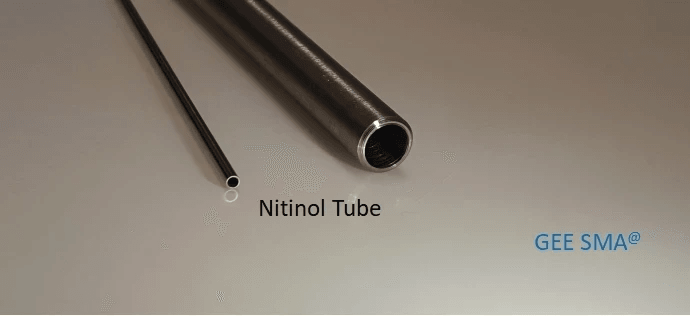
The world of miniature actuators is rapidly evolving, with Shape Memory Alloys (SMAs) leading the charge. These unique materials have the ability to return to a predetermined shape when subjected to specific temperatures, making them ideal for applications that require precision and reliability. As we delve into the nuances of SMA actuators, we will also explore their counterparts like piezoelectric actuators and muscle wire, all while highlighting key players in this dynamic market.
Understanding Shape Memory Alloys
Shape memory alloys are metallic materials that exhibit an extraordinary property: they can remember their original shape after being deformed. When heated above a certain temperature, these alloys revert to their pre-deformed configuration, a phenomenon that forms the basis for SMA actuators. Common examples of shape memory alloys include Nitinol and copper-aluminum-nickel, both of which have found diverse applications across various industries due to their unique mechanical properties.
The Rise of Miniature Actuators
In recent years, there's been an undeniable rise in the demand for miniature actuators driven by advancements in technology and engineering. SMA actuators are at the forefront of this trend due to their compact size and high efficiency compared to traditional actuation methods. From aerospace applications powering missions like Chang’e-5 and Tianwen to medical devices that enhance patient care, SMA technology is proving its worth in countless innovative ways.
Key Players in the Market
The market for SMA actuators is bustling with activity as several key players strive for innovation and excellence. GEE SMA stands out as a leader specializing in Nitinol shape memory alloys, committed to crafting high-quality materials tailored to meet customer needs swiftly. With a focus on enhancing product quality and addressing specific requirements, GEE SMA is not just participating but shaping the future landscape of shape memory alloy products.
What Are SMA Actuators?

SMA actuators, or Shape Memory Alloy actuators, are innovative devices that exploit the unique properties of shape memory alloys to produce motion. These materials can remember their original shape and return to it when subjected to specific thermal conditions. The mechanism behind SMA actuators involves phase transformations that occur in the alloy, enabling precise movement and control, which makes them highly desirable for various applications.
Definition and Mechanism
At their core, SMA actuators operate on the principle of shape memory effect (SME). When an SMA is heated above a certain temperature, it transitions from a martensitic phase (deformed state) to an austenitic phase (original shape), generating sufficient force to perform mechanical work. This transformation can be reversed by cooling the material, allowing for repeated cycles of actuation without significant wear and tear—an appealing feature for long-term applications.
Advantages of SMA Actuators
One significant advantage of SMA actuators is their compact size compared to traditional actuators like piezoelectric devices or hydraulic systems. This miniaturization allows them to fit into tight spaces where other types may struggle, making them ideal for applications in robotics and aerospace engineering. Moreover, they are lightweight and consume low power while delivering high force output, attributes that enhance their usability across various industries.
Shape Memory Alloys Examples
There are several prominent examples of shape memory alloys used in actuator applications today. Nitinol is perhaps the most recognized due to its exceptional properties and versatility—used extensively in medical devices like stents and guidewires as well as in robotics for precise movements. Other examples include copper-aluminum-nickel alloys that find application in automotive components due to their durability under extreme conditions.
Exploring Nitinol Actuators

Nitinol actuators are a fascinating subset of shape memory alloys (SMAs) that have garnered attention for their unique properties and applications. Known for their ability to return to a predetermined shape when heated, Nitinol actuators exemplify the potential of SMA technology in various fields. This section will delve into the properties of Nitinol, its applications in robotics and aerospace, and the pivotal role GEE SMA plays in driving innovation within this domain.
Properties of Nitinol
Nitinol is an alloy primarily composed of nickel and titanium, renowned for its remarkable shape memory effect and superelasticity. These properties make Nitinol actuators highly versatile, allowing them to undergo significant deformation while still returning to their original configuration upon heating. Additionally, Nitinol exhibits excellent fatigue resistance, making it an ideal choice for applications requiring repeated cycles of actuation without loss of performance—a critical factor when reviewing SMA actuators.
Applications in Robotics and Aerospace
The unique characteristics of Nitinol actuators lend themselves to a variety of innovative applications in robotics and aerospace industries. In robotics, they are used for precise movements in robotic arms or grippers, enabling delicate tasks that require high levels of control—something traditional actuators often struggle with. Meanwhile, in aerospace applications, shape memory alloy products like Nitinol are employed to deploy mechanisms in extreme environments; GEE SMA's contributions have been instrumental here, powering missions such as Chang’e-5 and Tianwen with reliable actuation systems.
GEE SMA’s Role in Nitinol Actuator Innovation
GEE SMA stands at the forefront of innovation within the realm of Nitinol actuators by specializing in producing high-quality shape memory alloys tailored to customer needs. Their commitment to enhancing product quality ensures that clients receive materials capable of performing under rigorous conditions while addressing specific requirements swiftly. By supplying advanced Nitinol functional materials for critical space missions like Chang’e-6, GEE SMA demonstrates how vital these sma actuators are not only for technological advancement but also for ensuring safety and reliability across various industries.
Piezoelectric Actuators: A Comparison
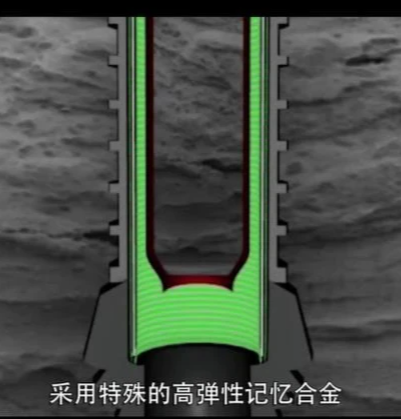
When comparing SMA actuators and piezoelectric actuators, it’s essential to understand their distinct operating principles and applications. Piezoelectric actuators utilize materials that generate an electric charge in response to mechanical stress, allowing them to convert electrical energy into precise mechanical movement. This mechanism enables piezoelectric devices to achieve rapid response times and high precision, making them suitable for various applications, from medical devices to aerospace technology.
How Piezoelectric Actuators Work
Piezoelectric actuators operate based on the piezoelectric effect, where certain materials expand or contract when an electric field is applied. This property allows for fine control of movement at the micro or nano-scale, which is particularly beneficial in applications requiring high accuracy. Unlike SMA actuators that rely on thermal activation for shape change, piezoelectric actuators respond almost instantaneously to electrical inputs, making them ideal for dynamic environments where quick adjustments are necessary.
Advantages and Disadvantages
One of the primary advantages of piezoelectric actuators is their ability to deliver precise control with minimal power consumption compared to traditional SMA actuators. They are also highly reliable due to their solid-state nature, which means fewer moving parts and reduced wear over time. However, they do come with disadvantages; for instance, their range of motion is often limited compared to SMA products like Nitinol actuators, which can provide larger displacements but require more complex thermal management.
Applications of Piezoelectric Actuators
Piezoelectric actuators find extensive applications across various industries due to their unique properties. In the medical field, they are used in ultrasound transducers and surgical tools that require fine movements without compromising patient safety. Aerospace applications also benefit from piezoelectric technology; these devices help control flight surfaces and stabilize aircraft systems effectively—an area where GEE SMA’s Nitinol shape memory alloys shine as well by enabling robust actuation under extreme conditions.
The Versatility of Muscle Wire

Muscle wire, also known as shape memory alloy wire, is a remarkable material that can change its shape when subjected to heat. This unique property makes it an attractive choice for various applications, particularly in the realm of miniature actuators. With its lightweight and compact design, muscle wire stands out among other SMA actuators and piezoelectric actuators, providing innovative solutions across multiple industries.
What is Muscle Wire?
Muscle wire is primarily made from nickel-titanium alloys (Nitinol), which exhibit the fascinating ability to return to a predetermined shape when heated above a specific temperature. This characteristic aligns well with the principles of shape memory alloys examples, where materials can remember their original configuration after deformation. In essence, muscle wire acts like a miniature actuator that can contract or expand based on temperature changes, making it an indispensable tool in various engineering applications.
Applications in Prosthetics and Robotics
Muscle wire has found significant applications in prosthetics and robotics due to its lightweight nature and efficient actuation capabilities. For instance, prosthetic limbs utilize muscle wire to mimic natural movements by contracting and relaxing with electrical stimulation—an innovation that enhances user experience dramatically. In robotics, muscle wires are employed for soft robotics technologies where gentle yet precise movements are essential; this versatility showcases how SMA actuators can revolutionize both fields.
Comparison with Traditional Actuators
When comparing muscle wire to traditional actuators such as electric motors or hydraulic systems, several advantages become evident. Muscle wires are typically smaller and lighter than conventional options while still delivering impressive force output—ideal for applications requiring compact designs like those found in Nitinol actuators. Furthermore, muscle wires often consume less power compared to piezoelectric actuators or traditional systems; this energy efficiency makes them appealing for long-term usage without frequent recharging or maintenance.
Shape Memory Alloy Applications in Industry

Shape memory alloys (SMAs) are revolutionizing various industries with their unique properties and capabilities. From aerospace to medical devices, SMA actuators are making a significant impact thanks to their ability to return to a predefined shape when exposed to specific temperatures. This section explores the diverse applications of SMA products, highlighting how they enhance functionality across multiple sectors.
Aerospace Uses of SMA Products
In the aerospace industry, SMA products are gaining traction for their lightweight and high-performance characteristics. Nitinol actuators, a type of SMA, are particularly valuable for applications requiring precise control and actuation under extreme conditions. GEE SMA’s Nitinol shape memory alloys power missions like Chang’e-5 and Chang’e-6, ensuring reliable deployment in space environments where traditional materials may fail.
SMA actuators play a crucial role in deploying satellite components and adjusting wing flaps on aircraft, providing efficiency that is hard to match with conventional systems. Their ability to operate without complex electronics simplifies design and reduces weight—two critical factors in aerospace engineering. The ongoing development of shape memory alloy applications continues to push the boundaries of what is possible in aviation technology.
Medical Devices Utilizing Shape Memory Alloys
The medical field is another area where shape memory alloys shine brightly, particularly in minimally invasive procedures. Devices such as stents made from SMAs can expand or contract based on body temperature, offering unmatched adaptability within the human body. This innovative approach not only improves patient outcomes but also minimizes recovery times compared to traditional surgical methods.
Nitinol's biocompatibility makes it an ideal choice for various medical devices, including guidewires and orthopedic implants. As researchers continue exploring new shape memory alloy applications in medicine, we can expect even more groundbreaking advancements that enhance patient care while reducing procedural risks. GEE SMA's commitment to crafting high-quality Nitinol functional materials ensures that these innovations remain at the forefront of medical technology.
Emerging Trends in Shape Memory Alloy Products
Emerging trends indicate a growing interest in integrating smart technologies with shape memory alloy products across different fields. For instance, combining SMA actuators with IoT (Internet of Things) capabilities could lead to smarter prosthetics that adapt dynamically based on user movement or environmental conditions—a game-changer for both robotics and rehabilitation sectors.
Additionally, advancements in manufacturing processes have made it easier than ever to create custom muscle wire solutions tailored specifically for niche markets or specialized applications within industries like automotive or consumer electronics. As demand increases for lightweight yet strong materials capable of advanced functionalities, we can anticipate an exciting future filled with innovative uses for SMAs.
The versatility of shape memory alloys continues to inspire engineers and designers alike as they explore new possibilities across various domains—showcasing just how far this technology has come since its inception.
Conclusion

As we wrap up our exploration of shape memory alloys (SMAs) and their applications, it’s clear that the future of miniature actuators is bright. The versatility and efficiency of SMA actuators are paving the way for innovations across various industries. With advancements in materials like Nitinol, we can expect to see even more sophisticated solutions that enhance performance while meeting the demands of modern technology.
Future of Miniature Actuators
The future landscape for miniature actuators seems poised for remarkable growth, particularly with SMA actuators leading the charge. As industries increasingly seek compact and efficient solutions, these actuators will play a pivotal role in everything from robotics to medical devices. With ongoing research and development, including a thorough SMA actuators review, we can anticipate even greater enhancements in functionality and reliability.
GEE SMA and Industry Innovations
GEE SMA stands at the forefront of innovation in Nitinol shape memory alloys, crafting high-quality materials that meet diverse customer needs. Their commitment to enhancing product quality ensures that GEE SMA remains a key player in developing cutting-edge shape memory alloy products for various applications. Notably, their Nitinol shape memory alloys have powered significant missions like Chang’e-5 and Tianwen, showcasing their reliability even in extreme environments.
The Impact of SMA Technology on Daily Life
SMA technology has begun to weave itself into the fabric of daily life through its numerous applications across various sectors. From prosthetics using muscle wire to advanced aerospace components employing Nitinol actuators, these innovations are making life easier and more efficient for many people. As shape memory alloy applications continue to expand, we can expect an increasing impact on everyday experiences—making tasks simpler and enhancing overall quality of life.