

Introduction
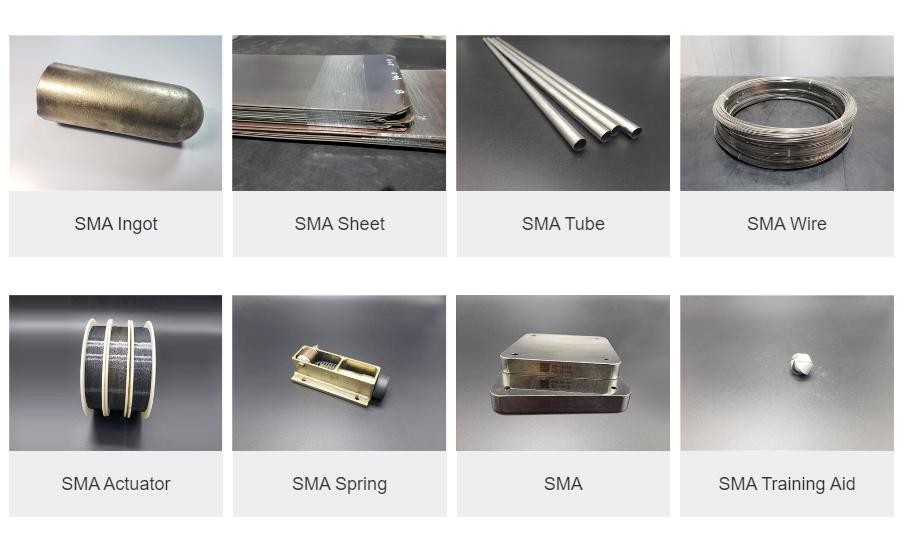
In the ever-evolving landscape of materials science, shape memory alloys (SMAs) stand out as remarkable innovations that blend functionality with adaptability. These smart alloys possess unique properties that allow them to return to a predetermined shape when subjected to specific thermal conditions. The versatility of shape memory alloy applications has made them integral in various industries, from medicine to aerospace and beyond.
Overview of Shape Memory Alloys
Shape memory alloys are metallic materials that can undergo significant deformation at one temperature and revert to their original shape upon heating. Common examples of these smart alloys include Nitinol, a nickel-titanium alloy renowned for its exceptional elasticity and biocompatibility, making it a favorite in medical devices. The ability of shape memory alloys to remember their original form is not just a scientific curiosity; it opens the door to innovative products and solutions across multiple sectors.
The Science Behind Smart Alloys
The underlying science of smart alloys revolves around phase transformations within the material's crystalline structure. When cooled, SMAs can be deformed into various shapes; however, once heated above a certain temperature threshold, they revert back to their original configuration due to changes in atomic arrangements. This fascinating property is what makes shape memory alloy products so valuable in practical applications, allowing for dynamic responses in technology that traditional materials simply cannot match.
Why Shape Memory Alloys Matter
Shape memory alloys matter because they represent a convergence of efficiency and innovation across numerous fields. Their unique properties enable groundbreaking advancements in medical devices like stents and guidewires, enhancing patient care while also finding utility in aerospace technologies that require precise movements under varying conditions. As industries increasingly seek smarter solutions for complex problems, the continued development and application of shape memory alloys will undoubtedly play a pivotal role in shaping our technological future.
Medical Applications of Shape Memory Alloys

Shape memory alloys (SMAs) have revolutionized the medical field with their unique properties and innovative applications. These smart alloys, particularly Nitinol, have become indispensable in various medical devices due to their ability to return to a predetermined shape when heated. This remarkable characteristic not only enhances the functionality of medical devices but also improves patient outcomes, making SMAs a game-changer in healthcare.
Nitinol in Stents and Guidewires
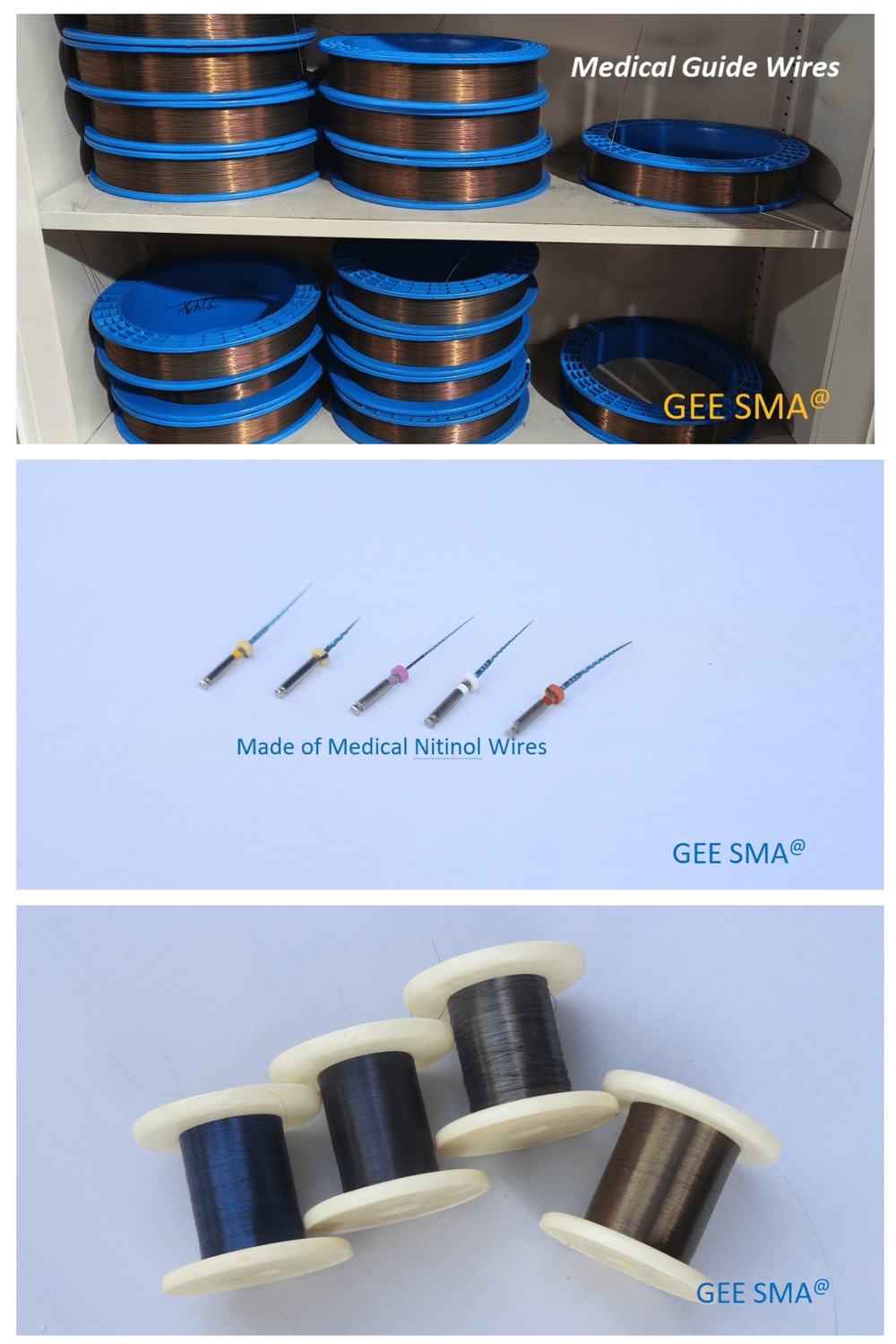
Nitinol, a nickel-titanium alloy, is widely recognized for its role in creating flexible yet robust stents and guidewires. The shape memory alloy properties allow these devices to navigate through complex vascular systems while retaining their structural integrity. When deployed, Nitinol stents expand automatically at body temperature, providing immediate support to blood vessels and reducing the risk of restenosis—an essential factor in successful cardiovascular interventions.
Moreover, the flexibility of Nitinol guidewires enables them to maneuver through tortuous pathways with ease, facilitating accurate placement of various medical instruments during procedures. As one of the leading shape memory alloy applications in cardiology, these products exemplify how smart alloys can enhance both safety and efficacy in minimally invasive surgeries. With ongoing advancements in SMA technology, we can expect even more innovative applications that will further improve patient care.
Surgical Tools and Devices
The versatility of shape memory alloys extends beyond stents; they are increasingly being utilized in surgical tools and devices designed for precision and efficiency. Instruments made from smart alloys are often lighter yet stronger than traditional materials, allowing surgeons greater dexterity during complex operations. For example, some cutting-edge surgical instruments employ SMA mechanisms that enable self-adjusting features or automatic locking mechanisms based on temperature changes.
Additionally, these smart alloys are being integrated into robotic surgery systems where precision is paramount. The unique properties of shape memory alloys allow for smoother movements and improved control over surgical instruments—transforming the landscape of modern surgery by enhancing accuracy while minimizing trauma to surrounding tissues. As more shape memory alloy products emerge on the market, we can anticipate a future filled with enhanced surgical capabilities.
Orthopedic Implants Using Smart Alloys
Orthopedic implants have also benefited significantly from the integration of shape memory alloys into their design and function. SMAs provide orthopedic solutions that adapt dynamically to physiological conditions within the body—offering improved integration with bone tissue compared to conventional implants made from metals like titanium or stainless steel. With their unique properties allowing for controlled expansion or contraction based on temperature changes within the body, these implants promote better healing outcomes.
One notable example is the use of Nitinol-based plates and screws that can adjust their stiffness according to load conditions within the body—a critical feature for patients recovering from fractures or other orthopedic surgeries. The incorporation of smart alloys into orthopedic applications not only enhances biomechanical performance but also reduces complications associated with traditional implant materials like stress shielding or implant failure due to fatigue over time.
In summary, as we continue exploring new frontiers in medicine through advanced technologies like shape memory alloys, it’s clear that these innovations hold immense potential for improving patient care across various specialties—from cardiology to orthopedics.
Aerospace Innovations with Shape Memory Alloys

Aerospace is a realm where innovation meets necessity, and shape memory alloys (SMAs) are at the forefront of this evolution. These smart alloys exhibit unique properties that allow them to change shape in response to temperature variations, making them ideal for various aerospace applications. From satellite deployment systems to aircraft control surfaces, the versatility of shape memory alloys continues to unlock new possibilities in air and space travel.
GEE SMA and Space Exploration
One standout example of a shape memory alloy application in space exploration is the GEE SMA (Giant Elastic Effect Shape Memory Alloy). This remarkable material can endure extreme conditions while maintaining its function, making it perfect for components that need to withstand the harsh environment of outer space. The GEE SMA's ability to revert to a predetermined shape when heated allows for innovative designs in spacecraft mechanisms, enhancing reliability during critical missions.
The use of GEE SMA not only reduces weight but also simplifies designs by eliminating the need for complex mechanical systems. This lightweight advantage is crucial in aerospace engineering, where every gram counts towards fuel efficiency and payload capacity. As space agencies continue to push boundaries with ambitious missions, smart alloys like GEE SMA will undoubtedly play a pivotal role in future explorations beyond our planet.
Shape Memory Alloys in Satellite Deployment
Shape memory alloys have revolutionized satellite deployment technologies as well. These materials are often incorporated into deployable structures like solar panels and antennas due to their ability to fold compactly and then expand once they reach their operational environment. The smart alloys' properties enable reliable performance even after being subjected to intense conditions during launch.
For instance, when satellites are launched into orbit, they must fit within tight confines before deployment; SMAs ensure that these structures can be stowed away securely yet deployed effectively once in position. This dynamic functionality not only enhances mission success rates but also contributes significantly to cost savings by reducing the complexity of deployment mechanisms. The integration of shape memory alloy products into satellite technology exemplifies how these materials are reshaping our approach to aerospace engineering.
Actuators for Aircraft Control Surfaces
Another exciting application of shape memory alloys lies within aircraft actuators used for control surfaces such as flaps and rudders. Traditional mechanical systems can be heavy and cumbersome; however, SMAs offer a lightweight alternative that responds swiftly and efficiently under varying aerodynamic conditions. By utilizing smart alloys, engineers can design more responsive control systems that improve overall flight performance.
The inherent properties of shape memory alloys allow them to provide precise movements without requiring extensive mechanical linkages or hydraulic systems—reducing weight while enhancing reliability and maintenance ease. This innovation leads not only to better fuel efficiency but also increases safety through improved handling characteristics during flight maneuvers. As aviation technology continues evolving towards more efficient solutions, SMAs will remain integral players shaping the future landscape of aircraft design.
Automotive Uses of Shape Memory Alloys
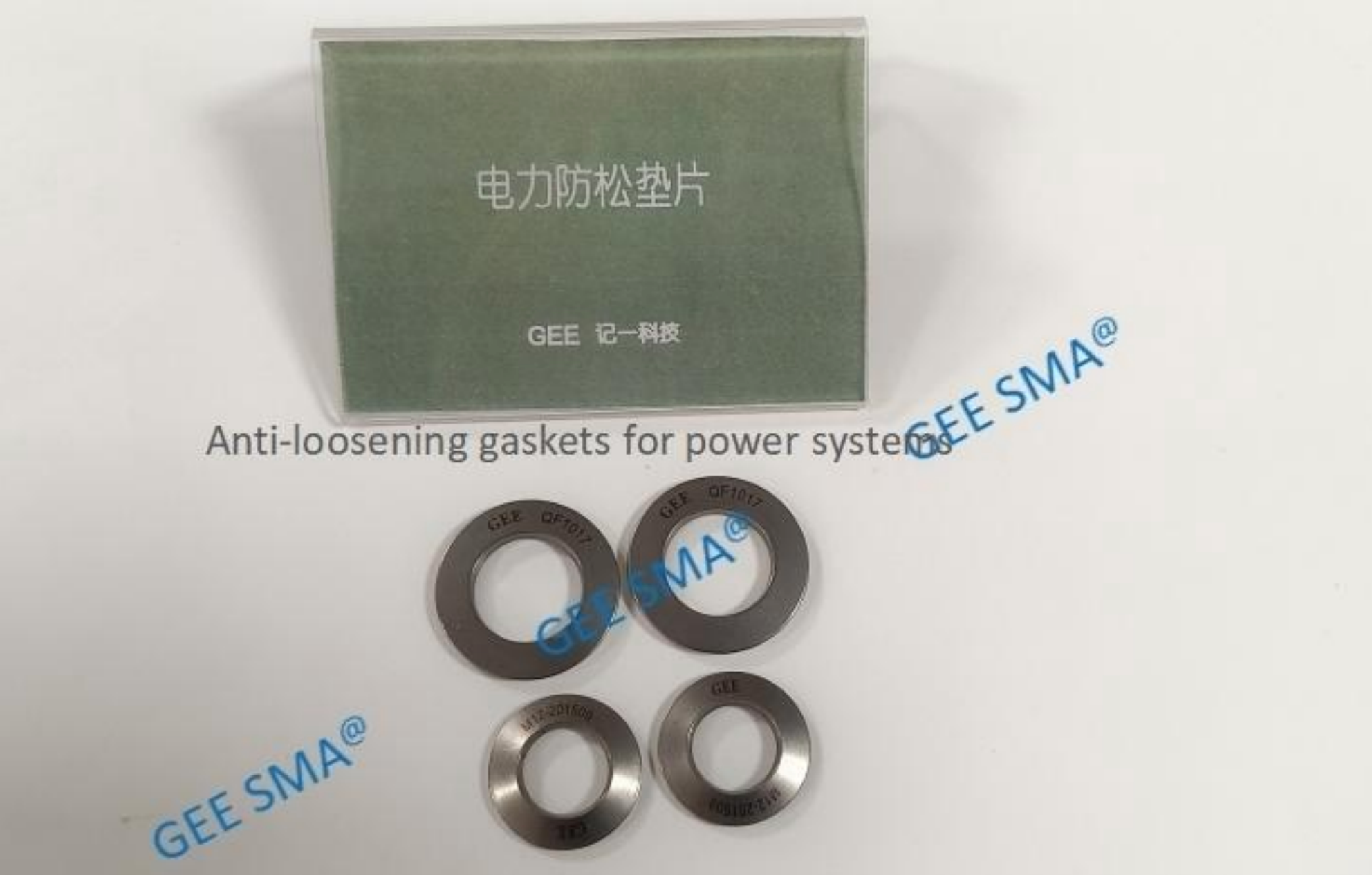
When we think about the automotive industry, we often picture sleek designs and powerful engines. However, the integration of shape memory alloys (SMAs) is revolutionizing how vehicles operate behind the scenes. These smart alloys are not just a futuristic dream; they are becoming essential components that enhance performance, safety, and efficiency.
Shape Memory Alloy Products in Engine Components
Shape memory alloys have found their way into various engine components, showcasing their remarkable properties such as high strength and corrosion resistance. For example, SMA actuators can adjust valve timing dynamically based on engine conditions, optimizing performance while improving fuel efficiency. These shape memory alloy products not only streamline operations but also contribute to reducing emissions—an ever-important factor in today's eco-conscious world.
Additionally, SMAs can be used for temperature regulation within engines. By expanding or contracting in response to heat changes, these smart alloys help maintain optimal operating temperatures without relying solely on traditional cooling systems. This innovative application exemplifies how shape memory alloy applications can lead to more efficient and reliable automotive technologies.
Safety Features in Smart Vehicles
Safety is paramount in vehicle design, and smart alloys are stepping up to the plate with cutting-edge solutions for accident prevention and occupant protection. One notable example is their use in adaptive seatbelt systems that automatically tighten during sudden stops or collisions—a feature made possible by the unique properties of shape memory alloys. This proactive approach enhances passenger safety significantly while maintaining comfort during regular driving conditions.
Moreover, SMAs are being integrated into crumple zones of vehicles to improve energy absorption during impacts. When a collision occurs, these materials can deform predictably under stress, helping to dissipate energy more effectively than traditional materials would allow. As automakers continue to innovate with shape memory alloy products, we can expect even more sophisticated safety features that leverage these remarkable materials.
Enhanced Performance in Suspension Systems
The suspension system is critical for ride quality and handling stability—and here’s where smart alloys really shine! Shape memory alloys enable active suspension systems that adjust stiffness based on road conditions or driving style automatically. By responding dynamically to external factors like bumps or turns, these systems enhance both comfort and control for drivers.
Another exciting application is found in adaptive dampers using SMAs that change resistance levels based on real-time feedback from sensors throughout the vehicle's body. This results in improved traction and stability during adverse weather conditions or high-speed maneuvers—making driving safer and more enjoyable overall! As automotive technology continues evolving with innovative shape memory alloy applications at its core, we’re likely headed toward an era of vehicles that are smarter than ever before.
Robotics and Shape Memory Alloys

The integration of shape memory alloys in robotics is revolutionizing the way machines interact with their environment. With their unique properties, such as the ability to return to a predetermined shape when heated, smart alloys are paving the way for innovative designs in robotic systems. From soft robotics to humanoid robots, these materials are making a significant impact across various applications.
Soft Robotics with Smart Alloys
Soft robotics is an exciting field that leverages the flexibility and adaptability of smart alloys to create robots that can mimic natural movements. By utilizing shape memory alloys, researchers can design soft actuators that change shape in response to temperature variations, allowing for gentle interactions with delicate objects. Examples of shape memory alloy applications in this realm include grippers that can adapt their grip strength based on the object being held, minimizing damage while maximizing functionality.
The properties of shape memory alloys make them ideal for soft robotic applications. Their ability to undergo large deformations while maintaining structural integrity allows for innovative designs that traditional rigid materials simply cannot achieve. As a result, smart alloys are becoming essential components in creating robots capable of navigating complex environments and performing intricate tasks.
Mechanisms for Movement and Gripping
Movement and gripping mechanisms powered by shape memory alloys offer a new level of precision and efficiency in robotic systems. The unique phase transformation properties of these materials enable them to contract or expand upon heating or cooling, facilitating smooth motion without bulky motors or gears. This not only reduces weight but also enhances energy efficiency—key factors in modern robotics.
Shape memory alloy products designed for movement often incorporate clever engineering techniques that exploit these material properties effectively. For instance, actuators made from Nitinol (a popular type of shape memory alloy) can be programmed to perform specific tasks by controlling temperature changes through electrical resistance or external heat sources. Such innovations lead to more compact and agile robots capable of executing complex maneuvers with ease.
Applications in Humanoid Robots
Humanoid robots stand at the forefront of robotics innovation, and smart alloys play a crucial role in their development. By incorporating shape memory alloys into joints and limbs, engineers can create more lifelike movements that closely resemble human actions—flexible yet controlled motions are now achievable thanks to these advanced materials. The use of smart alloys not only enhances realism but also improves functionality by allowing humanoid robots to adapt dynamically to different tasks.
Shape memory alloy applications extend beyond mere aesthetics; they contribute significantly towards enhancing robot responsiveness and adaptability in real-world scenarios. For example, when integrated into gripping mechanisms within humanoid hands, these materials allow robots to adjust grip strength based on object size or fragility—an essential feature for effective human-robot collaboration. As research continues into optimizing the use of smart alloys within humanoid structures, we can expect even more sophisticated capabilities from future generations of robotic companions.
Consumer Products Featuring Shape Memory Alloys
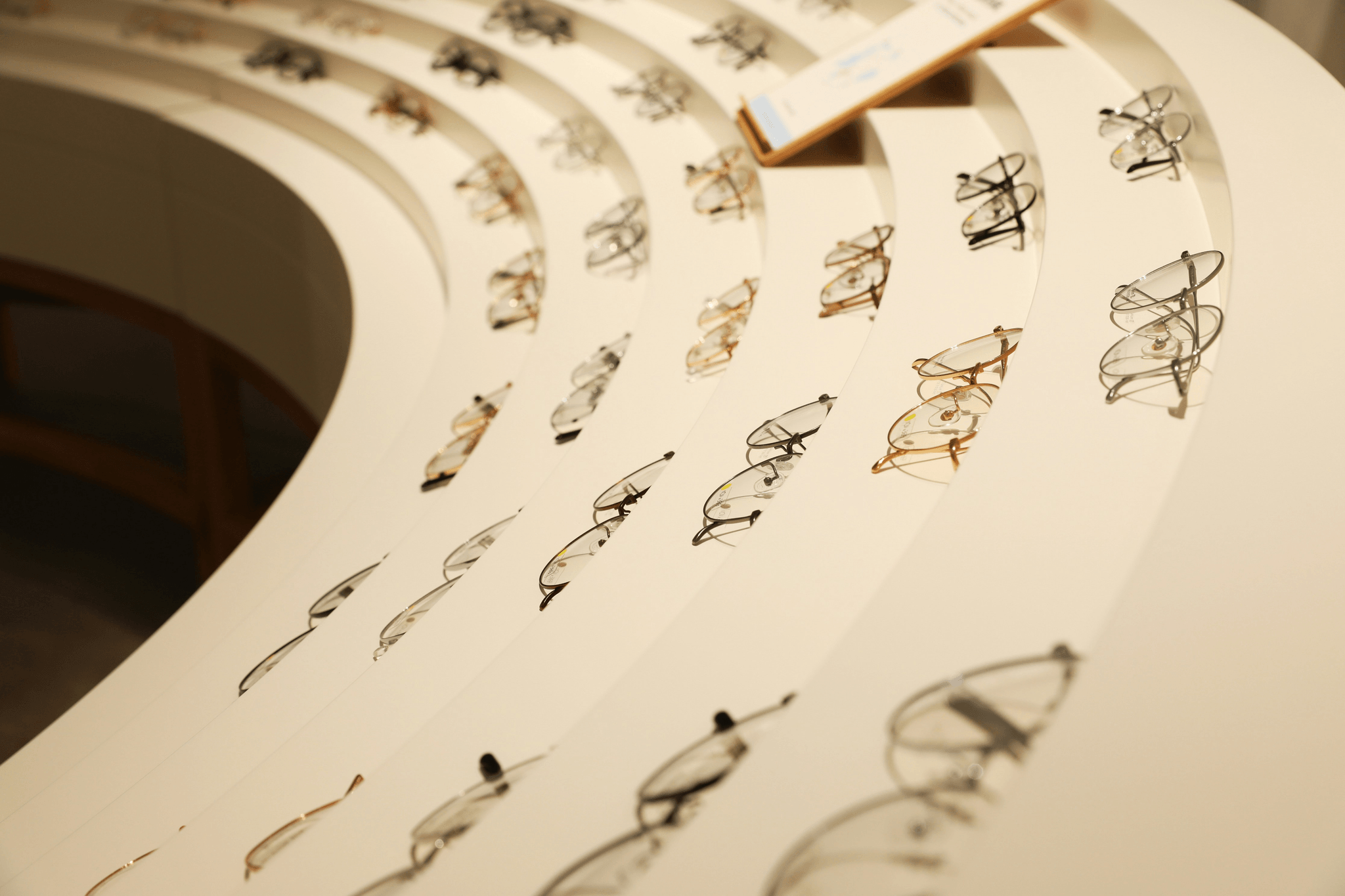
Shape memory alloys (SMAs) are not just confined to industrial applications; they are making waves in the consumer market too. From eyewear that adapts to your face to clothing that adjusts for comfort, smart alloys are revolutionizing how we interact with everyday products. This section explores innovative shape memory alloy applications in various consumer products, highlighting their unique properties and versatility.
Shape Memory Alloys in Eyewear
Imagine a pair of glasses that can bend, twist, and return to their original shape without breaking—this is precisely what shape memory alloys offer in eyewear. Manufacturers are increasingly using SMAs like Nitinol to create flexible frames that withstand everyday wear and tear while maintaining style and comfort. These shape memory alloy products not only enhance durability but also provide a lightweight solution for those who prefer functional yet fashionable eyewear.
The unique properties of shape memory alloys allow these glasses to adapt seamlessly to different head shapes and sizes, ensuring a perfect fit for everyone. Whether you're playing sports or simply enjoying a day out, these smart alloys make it easier than ever to keep your eyewear intact and stylish. As the demand for innovative designs grows, we can expect even more exciting shape memory alloy examples in the eyewear industry.
Smart Clothing with Nitinol Features
Smart clothing is taking fashion technology by storm, thanks in part to the integration of Nitinol—one of the most popular shape memory alloys available today. Designers are crafting garments that respond dynamically to temperature changes or body movements, providing enhanced comfort and functionality through clever engineering. These fabrics can expand or contract based on environmental conditions, showcasing impressive shape memory alloy applications in everyday attire.
Imagine a jacket that snugly fits when it's cold but loosens up when temperatures rise; this is what Nitinol-infused clothing can achieve! The properties of smart alloys make them ideal for athletic wear as well as casual outfits, allowing movement without compromising style. As consumers become more tech-savvy and eco-conscious, we can anticipate an increase in demand for such innovative clothing solutions featuring smart materials like SMAs.
Home Appliances Utilizing Shape Memory Technologies
Shape memory alloys are also finding their way into our homes through various appliances designed for efficiency and convenience. From self-adjusting thermostats to automatic window shades, these smart alloy products bring cutting-edge technology right into our living spaces. The unique properties of SMAs allow them to respond intelligently to user preferences or environmental changes—making daily tasks easier than ever before.
Consider kitchen gadgets equipped with SMAs that adjust their form based on cooking needs or safety features integrated into appliances that react instantly if something goes awry; these innovations highlight how versatile shape memory alloy applications can be in home settings. With increasing interest from manufacturers looking to incorporate smart materials into their designs, we’re likely just scratching the surface of what’s possible with home appliances utilizing this remarkable technology.
Conclusion
In wrapping up our exploration of shape memory alloys, it's clear that these remarkable materials are not just a fleeting trend but a cornerstone of innovation across multiple industries. The unique properties of shape memory alloys allow them to revert to predetermined shapes when exposed to specific stimuli, opening the door to countless applications. As we look ahead, the future of shape memory alloy applications seems bright with potential breakthroughs on the horizon.
The Future of Shape Memory Alloy Applications
The future promises exciting developments in smart alloys as researchers continue to unlock their potential in various fields. Innovations in shape memory alloy products could lead to more efficient medical devices, advanced aerospace technologies, and even smarter consumer goods. With ongoing research into enhancing the properties of these materials, we can expect new shape memory alloy applications that will revolutionize how we interact with technology.
Innovative Developments in Smart Alloys
Recent advancements in smart alloys have introduced novel approaches to their design and functionality. For instance, improvements in the manufacturing processes for shape memory alloys enable more complex and precise shapes that can be utilized in various industries—from robotics to automotive safety features. These innovative developments promise enhanced performance and reliability for existing shape memory alloy examples while paving the way for entirely new products.
The Impact of Shape Memory Alloys on Industries
The impact of shape memory alloys on industries is profound and far-reaching, influencing everything from healthcare solutions to automotive safety enhancements. By integrating these smart alloys into their designs, manufacturers can create lighter, more efficient products that also respond intelligently to environmental changes. As industries embrace the transformative power of shape memory alloy applications, we are likely to see an era defined by unprecedented efficiency and adaptability.