

Introduction
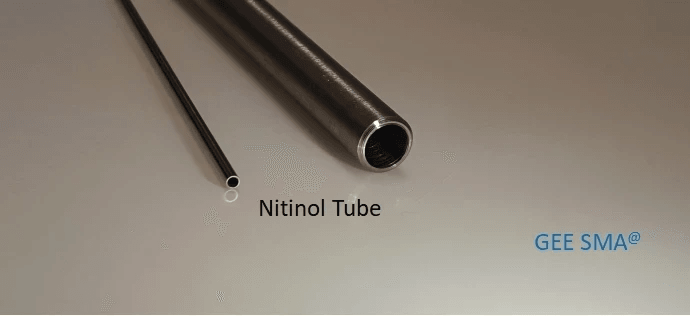
In the realm of advanced materials, few substances capture the imagination quite like Nitinol, a remarkable shape-memory alloy that has revolutionized various industries. This unique alloy, primarily composed of nickel and titanium, exhibits extraordinary characteristics that allow it to return to a predetermined shape when subjected to specific temperature changes. As we delve deeper into the world of Nitinol, we'll explore its fascinating properties, the science behind its shape memory effect, and its multitude of applications in modern technology.
Understanding Nitinol Shape-Memory Alloys
Nitinol is a type of shape-memory alloy (SMA) that stands out due to its unique ability to remember and revert to an original form after deformation. The combination of nickel material and titanium creates a titanium alloy with exceptional elasticity and resilience, making nitinol foil an invaluable resource in both medical and industrial applications. By understanding how this remarkable SMA alloy functions, we can appreciate its role in driving innovation across various fields.
The Science Behind Shape Memory Effect
At the heart of Nitinol's appeal lies the science behind the shape memory effect (SME), which allows certain metals to remember their original shapes even after being distorted or bent. When heated above a specific transition temperature, nitinol nickel titanium transforms back into its pre-deformed configuration due to changes in crystal structure at the atomic level. This fascinating phenomenon not only sets nitinol apart from traditional metals but also opens up new avenues for engineering solutions across diverse sectors.
Applications of Nitinol in Modern Technology
The versatility of nitinol is evident in its wide-ranging applications across various industries—from healthcare devices like stents and catheters to innovative uses in robotics and aerospace technology. In medical settings, Nitinol's unique properties enhance patient outcomes by providing minimally invasive treatment options through flexible yet strong designs made from this exceptional titanium material. As we continue exploring advancements in technology, it's clear that nitinol foil will play an increasingly vital role in shaping our future.
What is Nitinol?

Nitinol, a remarkable alloy that combines nickel and titanium, is known for its unique properties that allow it to remember its original shape. This shape memory alloy (SMA) exhibits extraordinary flexibility and responsiveness to temperature changes, making it a standout material in various applications. Understanding the definition and composition of nitinol is crucial for appreciating its innovative uses in modern technology.
Definition and Composition
Nitinol is a specific type of shape memory alloy composed primarily of nickel material and titanium material, typically with a composition of about 55% nickel and 45% titanium. This unique blend gives nitinol its defining characteristic: the ability to return to a predetermined shape when heated above a certain temperature threshold. The combination of these two metals creates an alloy that not only has excellent mechanical properties but also exhibits superelasticity, making it ideal for numerous applications.
The Role of Nickel and Titanium
Nickel plays an essential role in enhancing the corrosion resistance of nitinol while contributing to its shape memory effect, allowing this SMA alloy to perform reliably in diverse environments. On the other hand, titanium provides strength and lightweight characteristics, which are vital for applications where weight reduction is critical, such as in aerospace technology. Together, these elements create a dynamic duo that makes nitinol nickel titanium one of the most sought-after materials in engineering.
Properties of Nitinol Foil
Nitinol foil possesses several distinctive properties that set it apart from traditional metals. One notable feature is its ability to undergo significant deformation at room temperature while still returning to its original form upon heating—a phenomenon known as the shape memory effect. Additionally, this foil exhibits superelastic behavior; when stretched beyond its yield point at body temperature or higher, it can withstand substantial stress without permanent deformation—qualities that make nitinol foil invaluable across various industries.
The Magic of Shape Memory Alloys
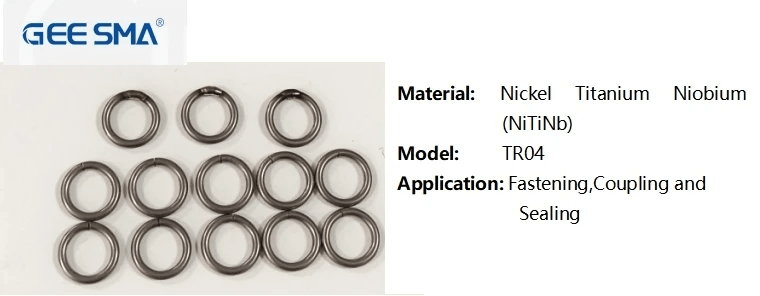
The realm of shape memory alloys (SMAs) is nothing short of enchanting, and at the heart of this magic lies Nitinol, a unique blend of nickel and titanium. This fascinating material has the ability to remember its original shape after being deformed, making it an invaluable resource in various applications. Understanding the underlying mechanisms and characteristics of Nitinol can help us appreciate why it's considered a game-changer in modern technology.
Mechanism of Shape Memory Effect
The mechanism behind the shape memory effect in Nitinol is rooted in its crystalline structure, which can exist in two distinct phases: martensite and austenite. When heated above a specific temperature, known as the transformation temperature, Nitinol transitions from martensite to austenite, regaining its original form. This phase change is not just a party trick; it allows Nitinol foil to revert to its predetermined shape even after significant deformation, showcasing its remarkable resilience.
When subjected to stress while in its low-temperature martensitic phase, the structure can be manipulated into different shapes. Upon heating or releasing stress, it returns to the high-temperature austenitic phase—voila! The magic happens right before your eyes as this nickel-titanium alloy reverts back to its original configuration. This phenomenon not only highlights the unique properties of nitinol but also positions it as an essential component across various industries.
Characteristics of Shape Memory Metals
Shape memory metals like nitinol nickel titanium are characterized by their extraordinary ability to undergo significant deformation while retaining their capacity for recovery. These materials possess excellent fatigue resistance and can endure repeated cycles of deformation without losing their effectiveness—a true testament to their durability! Additionally, SMA alloys exhibit superelasticity; they can stretch beyond their normal limits without permanent damage when subjected to stress at certain temperatures.
Another defining feature is their biocompatibility—making them ideal candidates for medical applications such as stents and orthopedic devices where human interaction is crucial. The combination of flexibility and strength makes nitinol foil particularly appealing for engineers seeking innovative solutions that traditional metals simply can't provide. With these remarkable characteristics underlining their utility, it's no wonder that shape memory metals are gaining traction across diverse fields.
Comparison with Traditional Metals
When comparing nitinol with traditional metals like steel or aluminum, several notable differences emerge that highlight why SMAs are often preferred for specific applications. Traditional metals tend to exhibit linear elasticity—they return to their original shape only when force is removed but cannot remember shapes like nitinol can due to lack of phase transformation capabilities. In contrast, nitinol’s unique behavior allows it not only to recover from deformations but also adapt dynamically based on environmental conditions such as temperature changes.
Moreover, while traditional materials may be limited by weight or rigidity constraints in design applications, Nitinol's lightweight nature combined with high strength-to-weight ratios opens up new avenues for innovation—from aerospace components crafted from titanium material that enhance fuel efficiency to robotics utilizing flexible actuators made from SMA alloy technology. This adaptability sets nitinol apart as an essential material poised for future advancements across multiple sectors.
In summary, while traditional metals have served us well over decades past, they simply cannot compete with the incredible properties exhibited by shape memory alloys like nitinol nickel titanium—offering both versatility and functionality that redefine what’s possible in engineering design today.
Nitinol in Medical Devices
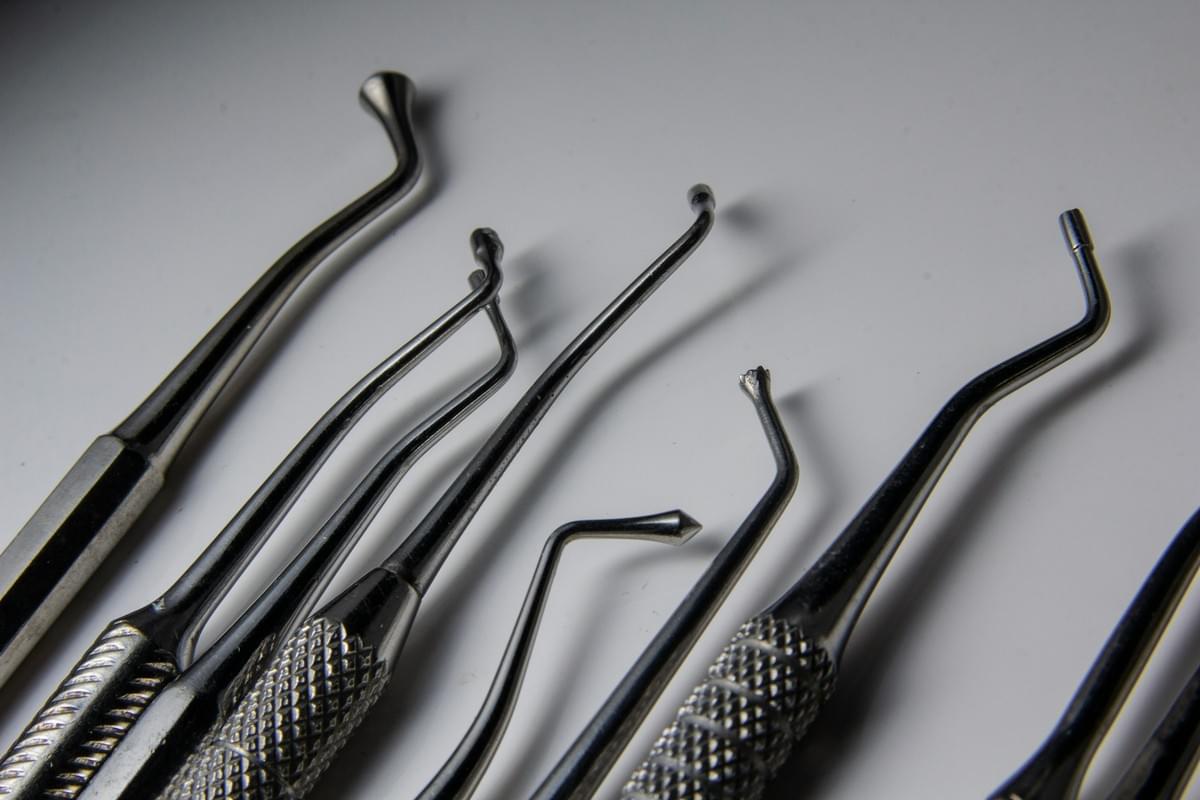
Nitinol, with its unique properties as a shape memory alloy (SMA), has revolutionized the medical device industry. Its ability to return to a predetermined shape when heated makes it an ideal candidate for various applications, particularly in stents and catheters. The combination of nitinol nickel titanium provides flexibility and strength, ensuring that medical devices can perform effectively within the human body.
Applications in Stents and Catheters
The use of nitinol foil in stents offers a remarkable advantage over traditional materials, allowing for minimally invasive procedures. When deployed, these stents expand to their intended shape, maintaining arterial patency while minimizing trauma to surrounding tissues. Similarly, nitinol catheters benefit from the superelasticity of this titanium alloy; they can navigate through complex vascular pathways without compromising their structural integrity.
In addition to stents and catheters, nitinol is also utilized in guidewires and filters used during surgical procedures. The lightweight nature of nitinol nickel titanium allows for improved maneuverability and precision during interventions. This versatility positions nitinol as a cornerstone material in modern medical technology.
Benefits of Nitinol Nickel Titanium in Healthcare
One of the most significant benefits of using nitinol nickel titanium is its biocompatibility; it poses minimal risk of adverse reactions within the body. This property is crucial for devices that remain implanted long-term or come into direct contact with bodily fluids. Furthermore, the shape memory effect ensures that these devices can adapt dynamically to physiological changes without losing functionality.
Another key advantage is the durability offered by this titanium material; it resists fatigue and corrosion better than many traditional metals used in healthcare applications. This longevity translates into fewer replacements or complications for patients over time, enhancing overall treatment outcomes. Additionally, because SMA alloys like nitinol can be engineered for specific thermal properties, they can be tailored to meet diverse clinical needs.
Case Studies of Successful Deployments
Numerous case studies highlight the successful deployment of nitinol-based devices across various medical fields. For instance, one notable study demonstrated how patients with peripheral artery disease benefited from a new generation of self-expanding stents made from nitinol foil; these devices significantly improved blood flow while reducing recovery times post-surgery.
In another example involving cardiac procedures, researchers found that catheters made from this innovative nickel material enhanced navigation through complex anatomical structures—resulting in higher success rates during interventions such as angioplasty or electrophysiology studies. These real-world applications underscore how incorporating shape memory metals like nitinol into medical technology not only improves patient care but also paves the way for future advancements.
Industrial Applications of Nitinol

Nitinol, a remarkable shape memory alloy, is making waves across various industrial sectors. Its unique properties, derived from the combination of nickel material and titanium, allow it to return to a predetermined shape when heated. This capability makes nitinol foil an ideal choice for applications in robotics and automation, aerospace technology, and even manufacturing processes.
Use in Robotics and Automation
In the realm of robotics and automation, nitinol’s shape memory effect is nothing short of revolutionary. Robots equipped with nitinol nickel titanium components can perform tasks with greater precision and adaptability than ever before. The lightweight nature of this titanium material allows for more efficient designs while the SMA alloy's responsiveness enhances the robots' ability to react dynamically to their environments.
Moreover, the use of nitinol foil extends beyond just movement; it also plays a vital role in actuators that convert thermal energy into mechanical work. These actuators can be found in robotic grippers and other mechanisms where precise movements are crucial. As industries continue to embrace automation, the demand for these innovative materials will only grow.
Nitinol in Aerospace Technology
Aerospace technology is another field where nitinol shines brightly due to its extraordinary properties. The lightweight yet strong characteristics of this titanium alloy make it an attractive option for aircraft components that require both durability and efficiency. Nitinol’s shape memory capabilities allow for designs that can adapt under varying conditions—ideal for environments that experience extreme temperature changes during flight.
Additionally, using nitinol nickel titanium in aerospace applications can lead to significant weight reductions without compromising safety or performance standards. This not only enhances fuel efficiency but also contributes to overall sustainability efforts within the industry. As engineers explore new frontiers in aviation design, incorporating shape memory metals like nitinol will be instrumental in achieving breakthroughs.
Impact on Manufacturing Processes
The impact of nitinol on manufacturing processes cannot be overstated; its unique properties open up new avenues for innovation across various production techniques. Manufacturers are increasingly utilizing this versatile material due to its ability to withstand harsh conditions while maintaining structural integrity—qualities essential for high-performance applications involving nickel materials or complex assemblies.
Furthermore, integrating SMA alloys into production lines allows companies to create more intricate designs with reduced assembly time and fewer components needed overall—a win-win situation! With advancements in production techniques specifically tailored for processing nitinol foil effectively, industries are poised to enhance productivity significantly while minimizing waste.
As we continue exploring the industrial applications of this fascinating alloy, it becomes clear that nitinol will play an integral role across multiple sectors moving forward.
Innovations and Future of Nitinol
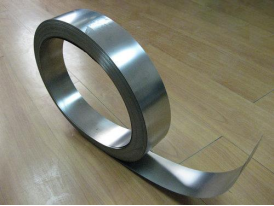
Nitinol is rapidly evolving, with ongoing innovations that promise to enhance its applications across various industries. The future of this remarkable shape memory alloy (SMA) lies in improving production techniques, increasing accessibility, and expanding its utilization in cutting-edge technologies. As we explore these advancements, the potential of nitinol nickel titanium becomes even more exciting.
Advances in Nitinol Production Techniques
Recent developments in nitinol production techniques have significantly improved the quality and efficiency of creating this unique material. Innovations such as advanced melting processes and enhanced alloying methods ensure that nitinol foil achieves superior properties, like enhanced shape memory effects and greater durability. These advancements mean that manufacturers can produce more reliable nitinol nickel titanium components tailored for specific applications, from medical devices to aerospace innovations.
Furthermore, researchers are exploring additive manufacturing methods for producing SMA alloy components, which allows for intricate designs that were previously impossible with traditional manufacturing techniques. This flexibility not only reduces waste but also enables the creation of customized parts that meet precise specifications. As production techniques evolve, the versatility of titanium material will expand dramatically across various sectors.
GEE SMA’s Contributions to Nitinol Development
GEE SMA has been at the forefront of advancing nitinol technology through innovative research and development initiatives. Their commitment to enhancing the capabilities of nitinol nickel titanium has led to breakthroughs in both performance and application scope within industries such as healthcare and robotics. By focusing on refining the properties of their nitinol foil products, GEE SMA is setting new standards for quality within this field.
Moreover, GEE SMA's collaborations with academic institutions have fostered an environment where new ideas can flourish, resulting in cutting-edge solutions that address real-world challenges faced by manufacturers today. Their emphasis on sustainability ensures that advancements are not only efficient but also environmentally friendly—an important consideration as industries shift toward greener practices. With GEE SMA leading the charge, we can expect exciting developments in shape memory metals that will reshape our technological landscape.
The Role of Nitinol in Future Technologies
The future technologies landscape is poised to be heavily influenced by the unique properties of nitinol and its applications across diverse fields. In robotics and automation, for example, shape memory alloys like nitinol offer lightweight yet robust solutions for actuators and sensors—revolutionizing how machines interact with their environments while minimizing energy consumption. Additionally, as industries continue to embrace smart materials, we anticipate a growing demand for titanium alloys capable of responding dynamically to stimuli.
In aerospace technology too, the use of nitinol is expected to expand significantly due to its exceptional fatigue resistance combined with weight savings over traditional materials like aluminum or steel alloys. This evolution could lead to lighter aircraft designs with improved fuel efficiency—a win-win situation for both manufacturers and consumers alike! As researchers continue exploring innovative uses for this extraordinary material, it’s clear that nitinol will play a pivotal role in shaping our technological future.
Conclusion
In summary, Nitinol stands out as a remarkable material that has revolutionized various industries through its unique properties. The combination of nickel and titanium in this shape memory alloy allows it to return to a predetermined shape when heated, making it invaluable in applications ranging from medical devices to aerospace technology. With its lightweight nature and exceptional resilience, nitinol foil has become a go-to material for engineers and designers looking for innovative solutions.
Recap of Nitinol's Importance
Nitinol's significance cannot be overstated; it embodies the cutting-edge intersection of materials science and engineering. This nickel titanium alloy is not only known for its shape memory effect but also for its superelasticity, which provides unparalleled performance under stress. From intricate surgical tools to components in robotics, the versatility of nitinol foil showcases the immense potential of shape memory metals in enhancing our everyday lives.
Trends Shaping the Future of Shape Memory Alloys
As we look ahead, several trends are emerging that will further elevate the role of shape memory alloys like Nitinol in modern technology. Advancements in production techniques are enabling more efficient manufacturing processes for nitinol nickel titanium products, driving down costs while improving quality. Additionally, ongoing research into new applications—such as smart materials that respond dynamically to environmental changes—will likely expand the horizons for SMA alloys across various sectors.
Exploring GEE SMA’s Role in Nitinol Advancements
GEE SMA is at the forefront of these exciting developments within the realm of nitinol advancements. Their innovative approaches to refining titanium material processing have set new benchmarks in performance and reliability for nitinol products. By focusing on sustainability and efficiency, GEE SMA is not just contributing to current technologies but also paving the way for future breakthroughs involving nitinol foil and other shape memory metals.