

Introduction

Nitinol welding is not just a technical process; it's a fascinating blend of science and art, showcasing the remarkable capabilities of this unique alloy. Nitinol, a nickel-titanium metal, exhibits extraordinary properties that set it apart from traditional materials, making it an essential player in various high-tech applications. As we delve into the world of nitinol, we'll uncover why it is considered a game changer in modern technology and how its diverse applications are revolutionizing industries.
The Magic of Nitinol Welding
The magic of nitinol welding lies in its ability to harness the unique characteristics of nitinol wire to create strong, reliable joints that can withstand extreme conditions. This process requires an understanding of nitinol properties such as superelasticity and shape memory effects, which allow welded components to return to their original shapes after deformation. When executed correctly, nitinol welding can produce joints that not only maintain structural integrity but also enhance the performance of devices across various fields.
Why Nitinol Is a Game Changer
Nitinol is a game changer because it combines strength with flexibility in ways that traditional metals simply cannot match. Its remarkable material properties allow for innovative designs that were previously thought impossible, enabling engineers and designers to push the boundaries of what’s achievable in product development. Furthermore, as industries increasingly prioritize lightweight yet durable materials, nitinol's unique attributes position it at the forefront of technological advancements.
Applications of Nitinol in Modern Tech
The applications of nitinol in modern tech are vast and varied, ranging from medical devices like stents and guidewires to aerospace components where weight reduction is critical. In robotics, nitinol wire acts as actuators that mimic muscle movement, providing lifelike motion with minimal energy consumption. As more industries recognize the benefits offered by this incredible alloy, partnerships with specialized nitinol manufacturers are becoming essential for harnessing its full potential.
Understanding Nitinol Properties
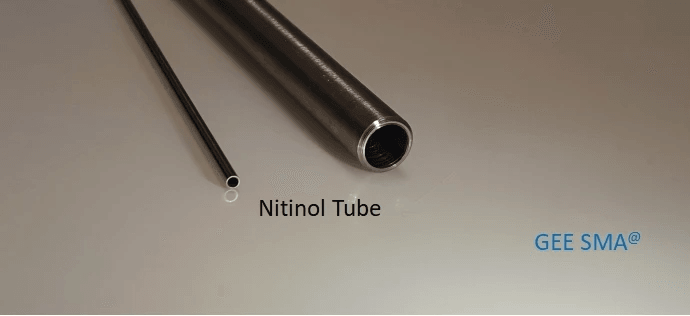
Nitinol, a remarkable alloy of nickel and titanium, boasts unique properties that make it a favorite in various applications, especially in nitinol welding. Its distinctive characteristics set it apart from other metals, allowing for innovative uses in medical devices, robotics, and more. By understanding these properties, we can better appreciate the versatility of nitinol wire and its impact on modern technology.
Unique Characteristics of Nitinol
Nitinol is known for its incredible combination of strength and flexibility, making it an exceptional material in the realm of nitinol welding. One standout feature is its ability to undergo significant deformation while still returning to its original shape when heated—a property that is both fascinating and functional. Additionally, nitinol exhibits excellent corrosion resistance, which enhances the longevity of products made from this unique alloy when sourced from a reputable nitinol manufacturer.
Superelasticity and Shape Memory Effects
The superelasticity of nitinol allows it to return to its original form after being deformed under stress at certain temperatures—this phenomenon is crucial for applications requiring dynamic movement or adaptability. Coupled with shape memory effects, where the material remembers its pre-deformed shape upon heating, these properties make nitinol wire incredibly useful in creating devices that require precision engineering. Understanding these effects is essential for anyone involved in nitinol welding or working with this innovative material.
How Nitinol Material Properties Affect Welding
The unique properties of nitinol significantly influence the welding process itself; their high thermal conductivity requires careful temperature management during welding to avoid compromising integrity. Additionally, due to their superelastic nature, welds can be prone to distortions if not executed correctly—this emphasizes the importance of skilled techniques when working with this material. Therefore, collaborating closely with a knowledgeable nitinol company can ensure optimal results while navigating the complexities inherent in working with such specialized materials.
Preparing for Nitinol Welding
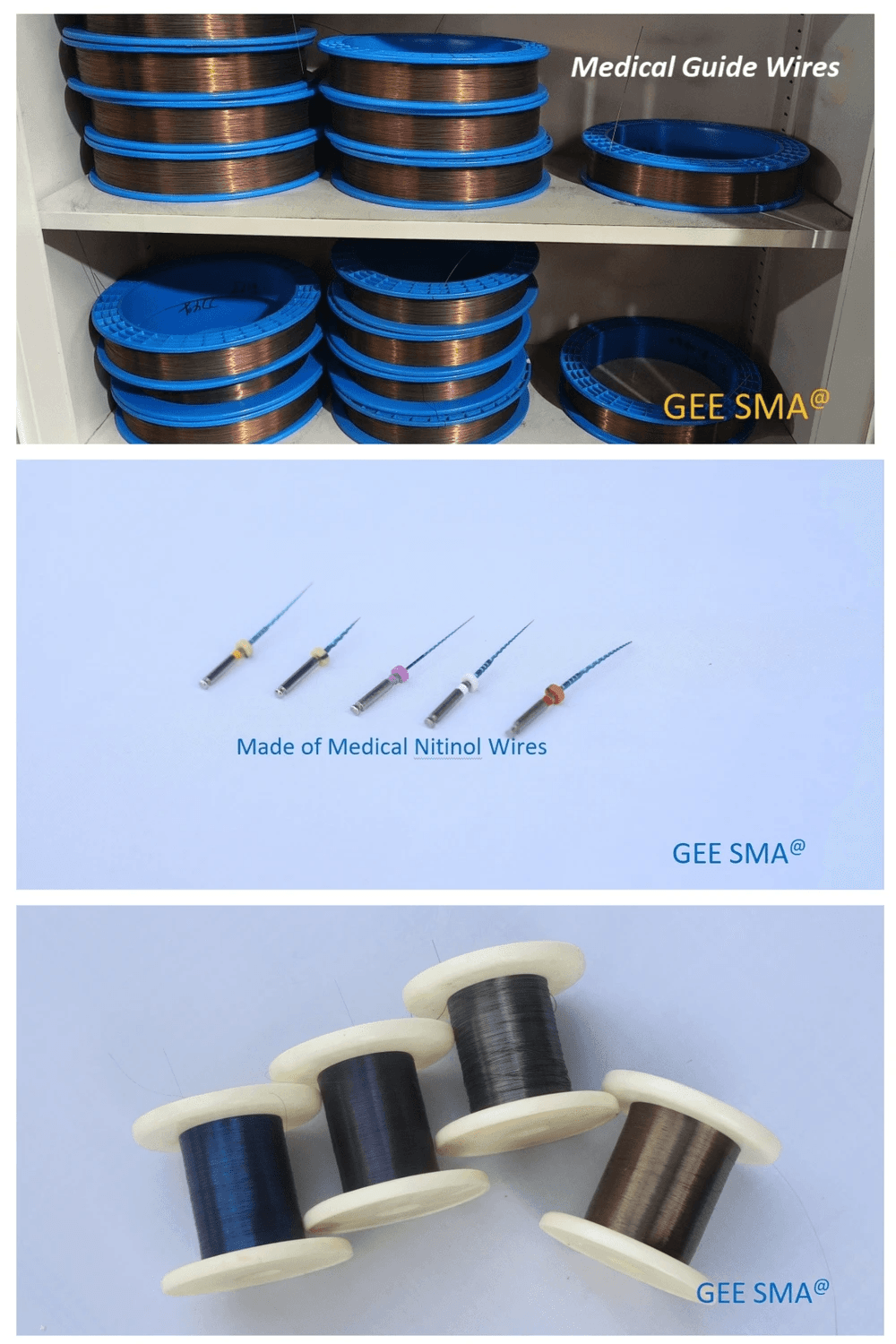
Understanding the nuances of nitinol properties and ensuring you have the right materials and tools can make all the difference in achieving high-quality welds. This section will guide you through selecting the right nitinol wire, gathering essential equipment, and conducting pre-welding tests.
Selecting the Right Nitinol Wire
Choosing the appropriate nitinol wire is crucial for successful welding outcomes. Different applications may require different grades or forms of nitinol wire, so it's essential to consult with your nitinol manufacturer to ensure you're getting what you need. Look for wires that align with your project specifications, taking into account factors like diameter, alloy composition, and intended use to maximize the benefits of unique nitinol properties.
Essential Tools and Equipment Needed
Having the right tools can make or break your nitinol welding experience. Key equipment includes precision welders that can handle varying temperatures suitable for nitinol material properties, as well as clamps and fixtures designed specifically for this flexible metal. Don't forget safety gear; proper protection ensures you can focus on creating those perfect welds without any distractions or hazards.
Pre-Welding Tests and Procedures
Before diving into nitinol welding, conducting thorough pre-welding tests is a must to ensure everything runs smoothly. These tests might include checking wire integrity and verifying that all equipment is calibrated correctly according to specifications from your chosen nitinol company. By establishing a solid foundation through these procedures, you're setting yourself up for success in achieving durable and reliable welds that leverage the remarkable characteristics of nitinol.
Techniques for Successful Nitinol Welding
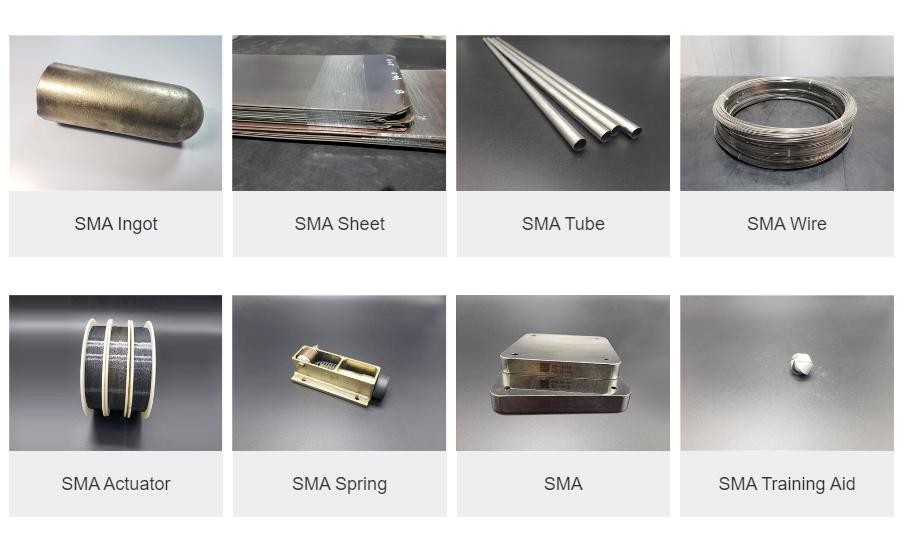
When it comes to nitinol welding, mastering the techniques is crucial for achieving strong and reliable welds. This unique alloy, known for its extraordinary properties, requires specific methods to ensure that the final product meets quality standards. By understanding effective welding methods, selecting the right heat source, and avoiding common pitfalls, you can elevate your nitinol projects to new heights.
Effective Welding Methods Explained
There are several effective welding methods tailored specifically for nitinol wire that take advantage of its distinct properties. Laser welding is one of the most popular techniques due to its precision and ability to minimize heat-affected zones, which is essential given nitinol's sensitivity to temperature changes. Another method worth considering is resistance welding; this technique generates localized heat through electrical resistance and can be particularly effective when working with smaller cross-sections of nitinol material properties.
Moreover, each method has its pros and cons depending on the application at hand. For instance, while laser welding provides excellent control over the weld pool, it may require more expensive equipment compared to other methods like spot or TIG (Tungsten Inert Gas) welding. Ultimately, selecting an appropriate technique will depend on your specific requirements as well as the capabilities of your chosen nitinol manufacturer.
Choosing the Right Heat Source
Selecting the right heat source is a critical aspect of successful nitinol welding since different sources can significantly impact weld quality and integrity. Common options include laser systems, arc welders, and even induction heating—each offering unique benefits that cater to various applications in industries ranging from medical devices to aerospace components. Understanding how different heat sources interact with nitinol properties will help you make informed decisions during your projects.
For instance, laser systems provide high energy concentration for precise melting but may not be suitable for thicker sections of nitinol wire without careful management of thermal input. On the other hand, arc welders can deliver more substantial heat but might introduce unwanted distortions if not properly controlled. Ultimately, assessing your project needs alongside available equipment from a reputable nitinol company will guide you toward making an optimal choice.
Common Mistakes to Avoid
Even seasoned professionals can fall victim to common mistakes when it comes to nitinol welding—so awareness is key! One frequent error involves neglecting pre-welding preparation; failing to clean or properly align components can lead to weak joints or even complete failures in some cases. Additionally, improper management of heat input during the process can compromise the unique characteristics that make nitinol so valuable in various applications.
Another pitfall often encountered involves using incompatible filler materials or neglecting post-weld treatments necessary for maintaining desired mechanical properties in welded joints. Working closely with a knowledgeable nitinol manufacturer who understands these nuances will help mitigate risks associated with these mistakes while ensuring high-quality results every time you tackle a new project involving this remarkable alloy.
Quality Control in Nitinol Welding
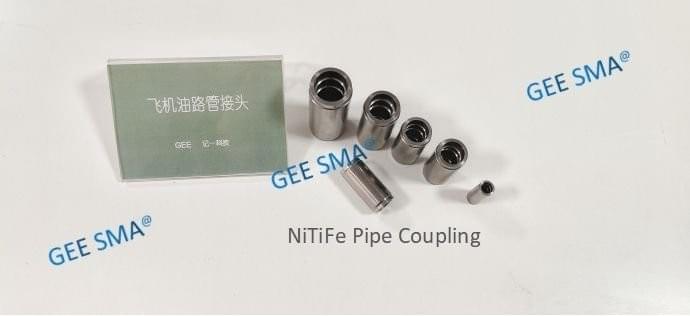
Quality control is paramount in nitinol welding, as the unique properties of nitinol materials require precise handling to ensure optimal performance. A weld that fails to meet integrity standards can lead to catastrophic failures in applications ranging from medical devices to aerospace components. Therefore, understanding how to maintain the integrity of welds is crucial for any nitinol manufacturer.
Ensuring Integrity of Welds
To ensure the integrity of nitinol welds, it's essential to consider the specific material properties that make nitinol unique. The superelasticity and shape memory effects of nitinol mean that even minor defects can significantly impact its performance under stress. Regular inspections and adherence to standardized welding procedures help maintain the quality and reliability of welded joints, ensuring they can withstand their intended applications.
Additionally, proper training for technicians involved in nitinol welding is vital. They must be well-versed in both the characteristics of nitinol wire and the nuances of various welding techniques suitable for this material. By focusing on skill development and ongoing education, companies can enhance their quality control measures significantly.
Testing and Inspection Techniques
Various testing methods are employed to assess the quality of nitinol welds effectively. Non-destructive testing (NDT) techniques such as ultrasonic testing or X-ray inspection allow manufacturers to detect internal flaws without compromising the integrity of the component. These methods are particularly valuable when dealing with critical applications where even a small imperfection could lead to failure.
Moreover, tensile testing is often conducted on welded joints made from nitinol wire to evaluate their strength and flexibility under stress conditions similar to those encountered during actual use. This ensures that any potential weaknesses are identified before products reach end-users, maintaining high standards across all applications involving this remarkable alloy.
Lastly, documentation plays a crucial role in quality assurance processes related to nitinol welding. Keeping detailed records of inspections, tests performed, and any corrective actions taken helps manufacturers track their compliance with industry standards while also providing invaluable data for future projects.
Importance of Working with a Nitinol Manufacturer
Choosing a reputable nitinol manufacturer is fundamental for achieving high-quality results in any project involving this advanced material. Not all companies have equal expertise or access to cutting-edge technology; thus selecting one with proven experience in working with specific nitinol properties can make all the difference in project outcomes. An established manufacturer will not only provide superior materials but also offer insights into best practices for effective welding techniques tailored specifically for your needs.
Furthermore, collaboration with a trusted company ensures access to comprehensive support throughout every stage—from initial design considerations through final inspection processes following production runs using nitinol wire—and beyond! This kind of partnership fosters innovation while mitigating risks associated with poorly executed welds or subpar materials.
In conclusion, prioritizing quality control when it comes to nitinol welding cannot be overstated; it safeguards investments made into advanced technologies while enhancing overall product reliability across diverse industries reliant on these exceptional alloys.
Innovations in Nitinol Welding
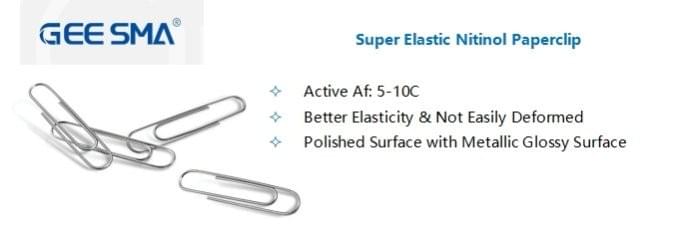
The field of nitinol welding is witnessing remarkable innovations that are transforming the way we utilize this unique material. With advancements in technology, manufacturers are now able to achieve better weld quality and efficiency than ever before. These innovations not only enhance the performance of nitinol wire but also expand its applications across various industries.
Advancements in Technology and Techniques
Recent advancements in nitinol welding techniques have introduced new methods that significantly improve the precision and reliability of welds. For instance, laser welding has emerged as a preferred choice for many nitinol manufacturers due to its ability to deliver controlled heat input, minimizing distortion and maintaining the integrity of nitinol properties. Additionally, automated welding systems are becoming more commonplace, allowing for consistent results that meet stringent industry standards.
Moreover, researchers are exploring innovative approaches such as friction stir welding and ultrasonic welding for joining nitinol components. These methods take advantage of the unique characteristics of nitinol material properties, ensuring strong bonds while preserving its superelasticity and shape memory effects. As these technologies evolve, they promise to unlock even more potential applications for nitinol in sectors ranging from medical devices to aerospace engineering.
Case Studies from Leading Nitinol Companies
Several leading nitinol companies have successfully implemented cutting-edge techniques in their manufacturing processes, showcasing the benefits of modern nitinol welding practices. For example, a prominent medical device manufacturer utilized advanced laser welding technology to produce stents made from high-quality nitinol wire. This approach not only improved production efficiency but also enhanced product reliability by ensuring consistent weld quality through precise control over heat application.
Another case study involves an aerospace company that adopted friction stir welding for assembling components made from nitinol alloys. By leveraging this innovative technique, they were able to create lighter yet stronger parts that significantly contribute to fuel efficiency without compromising performance standards. These real-world examples highlight how embracing new technologies can lead to substantial improvements in both product development and operational efficiency within the realm of nitinol applications.
Future Trends in Nitinol Applications
Looking ahead, future trends indicate a growing demand for versatile applications of nitinol across various industries driven by its unique properties and capabilities. As researchers continue to explore novel uses for this remarkable material, we can expect to see increased integration into robotics and smart materials design where shape memory effects can be harnessed effectively. Furthermore, advancements in 3D printing technologies may pave the way for creating complex geometries using specialized nitinol wire compositions tailored for specific functions.
Additionally, environmental sustainability will likely play a significant role in shaping future developments within the realm of nitinol manufacturing processes. Companies are increasingly focusing on reducing waste during production while maximizing resource efficiency—an essential consideration as industries strive toward greener practices without sacrificing performance or quality associated with traditional methods like conventional nitrogen welding.
In conclusion, innovations surrounding nitinol welding are not just exciting; they're necessary for keeping pace with evolving market demands across diverse sectors!
Conclusion
As we wrap up our exploration of nitinol welding, it's clear that this innovative process is shaping the future of various industries. The remarkable properties of nitinol, including its superelasticity and shape memory effects, are paving the way for groundbreaking applications in medical devices, robotics, and beyond. With ongoing advancements in technology and techniques, the potential for nitinol welding is virtually limitless.
The Future of Nitinol Welding
Looking ahead, the future of nitinol welding appears bright with exciting possibilities on the horizon. As researchers continue to delve deeper into nitinol properties, we can expect even more refined welding techniques that enhance efficiency and precision. Furthermore, as industries increasingly recognize the advantages of using nitinol wire in their products, demand will surely rise for skilled professionals who can master these specialized welding methods.
Finding the Right Nitinol Company
Look for companies with a solid reputation in providing high-quality nitinol wire and expertise in nitinol material properties. A good nitinol company will not only supply top-notch materials but also offer insights into best practices for successful nitinol welding to ensure your projects succeed.
How GEE SMA Is Leading the Way
GEE SMA stands out as a pioneering force in the realm of nitinol welding and manufacturing. With a commitment to quality and innovation, they are at the forefront of developing advanced techniques that enhance weld integrity while leveraging unique nitinol properties. By partnering with GEE SMA, businesses can tap into cutting-edge solutions that drive their projects forward while ensuring they remain competitive in an ever-evolving market.