

Introduction
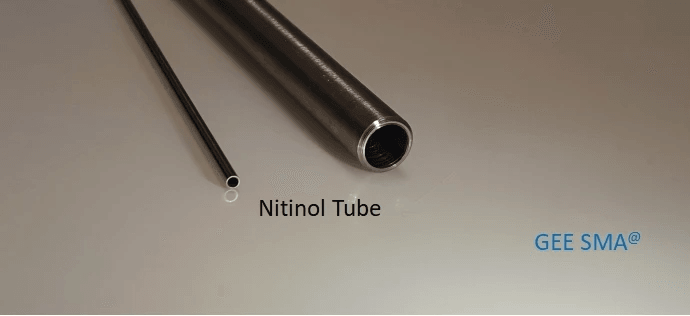
In the ever-evolving landscape of medical technology, few materials have made as significant an impact as Nitinol. This remarkable alloy, composed primarily of nickel and titanium, exhibits unique properties such as shape memory and superelasticity that have revolutionized the design and functionality of nitinol medical devices. Its ability to return to a predetermined shape when heated has opened up new possibilities in minimally invasive procedures, making it a game-changer in modern healthcare.
What is Nitinol and Its Significance
Nitinol is not just another metal; it’s a material that combines strength with flexibility in ways that traditional metals simply cannot match. The significance of Nitinol lies in its dual capabilities: it can be molded into intricate forms at room temperature and then revert to its original shape when exposed to heat. This unique behavior makes nitinol an ideal choice for various applications, particularly in nitinol medical devices, where precision and reliability are paramount.
The Rise of Nitinol Medical Devices
The rise of nitinol medical devices marks a pivotal moment in the evolution of surgical techniques and patient care. From stents to guidewires, the integration of nitinol has enabled healthcare professionals to perform complex procedures with greater ease and effectiveness. As demand for less invasive options grows, so does the reliance on innovative materials like nitinol that enhance patient outcomes while minimizing recovery times.
GEE SMA: Innovators in Nitinol Manufacturing
Leading the charge in this transformative field is GEE SMA, a company at the forefront of nitinol manufacturing innovation. With their commitment to quality sourcing for wires for nitinol devices, GEE SMA ensures that every product meets stringent industry standards while pushing the boundaries of what’s possible with this extraordinary material. Their pioneering efforts not only advance technology but also contribute significantly to improving patient care through cutting-edge nitinol medical devices.
Understanding Nitinol Alloys
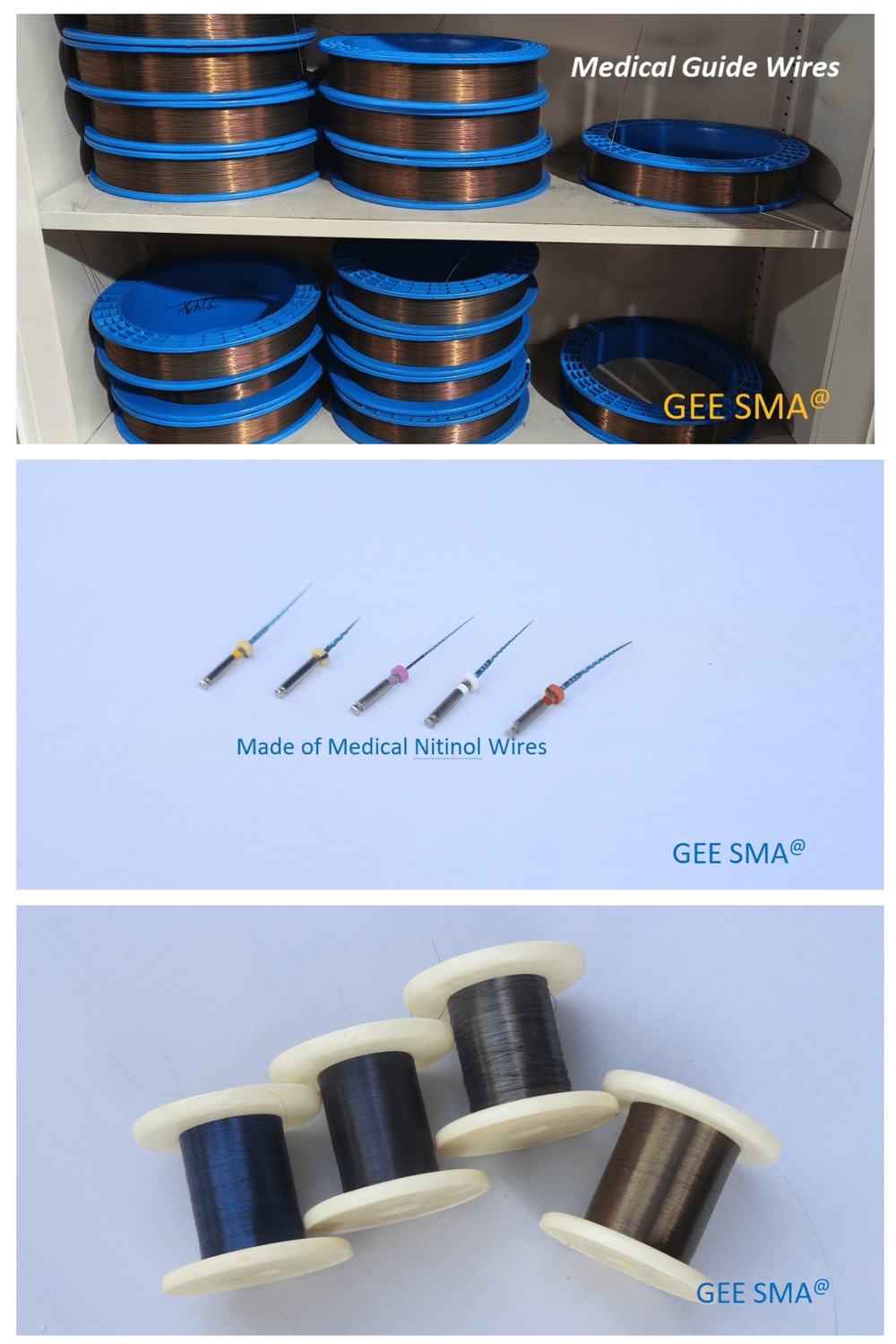
Nitinol, a nickel-titanium alloy, has gained significant attention in the medical field due to its unique properties and versatility. This remarkable material exhibits shape memory and superelasticity, making it ideal for a wide range of applications in nitinol medical devices. By understanding what sets nitinol apart, we can appreciate its transformative role in modern healthcare.
The Unique Properties of Nitinol
Nitinol's most fascinating feature is its ability to remember shapes. When deformed at lower temperatures, it can revert to its original form upon heating, allowing for innovative designs in nitinol medical devices that adapt to various physiological conditions. Additionally, the superelasticity of nitinol means it can undergo significant deformation without permanent change, which is particularly beneficial for applications requiring flexibility and resilience.
Another noteworthy property is biocompatibility; nitinol is well-tolerated by the human body, reducing the risk of adverse reactions when used in medical implants or devices. This characteristic makes it a preferred choice over traditional materials like stainless steel or plastics that may provoke immune responses. With these unique attributes, it's no wonder that wires for nitinol devices are becoming increasingly popular among manufacturers aiming to create cutting-edge medical solutions.
Applications in the Medical Field
The applications of nitinol in the medical field are both diverse and impactful. From stents and guidewires to orthopedic implants and surgical instruments, nitinol medical devices are revolutionizing patient care by enhancing performance and improving outcomes. The flexibility and strength provided by this alloy facilitate minimally invasive procedures that lead to quicker recovery times for patients.
One prominent application is in cardiovascular interventions where nitinol stents help maintain vessel patency after angioplasty procedures. These stents expand upon deployment but retain their shape once positioned correctly within blood vessels—an essential feature that prevents re-narrowing (restenosis). Furthermore, guidewires made from wires for nitinol devices allow physicians greater maneuverability during complex surgical procedures compared to traditional metal wires.
Comparisons with Traditional Materials
When comparing nitinol with traditional materials such as stainless steel or polymers, several advantages emerge that highlight why it's becoming a go-to choice for many manufacturers of medical devices. First off, while stainless steel offers strength and durability, it lacks the unique properties of shape memory and superelasticity found in nitinol alloys—qualities crucial for certain applications like self-expanding stents or dynamic orthopedic implants.
Moreover, polymers may be lightweight but often cannot withstand high-stress environments or extreme temperatures as effectively as nitinol does. In contrast, wires for nitinol devices provide exceptional performance under varying conditions while maintaining biocompatibility—a vital aspect when considering long-term implantation within the human body. Thus, it's clear that incorporating Nitinol into medical device manufacturing not only enhances functionality but also elevates patient safety standards across various healthcare practices.
The Manufacturing Process of Nitinol Devices

The manufacturing process of Nitinol devices is a meticulous journey that begins with sourcing high-quality materials and culminates in the production of innovative medical solutions. Each step is critical, ensuring that the unique properties of Nitinol are preserved and optimized for use in various applications. Understanding this process not only sheds light on the complexity involved but also highlights the importance of quality at every stage.
Sourcing Quality Wires for Nitinol Devices
The foundation of any successful Nitinol medical device lies in the sourcing of quality wires for Nitinol devices. These wires must meet stringent specifications regarding composition, diameter, and mechanical properties to ensure optimal performance. Manufacturers often collaborate with specialized suppliers who understand the unique demands of Nitinol, allowing them to procure materials that will enhance the functionality and reliability of their medical devices.
Once sourced, these wires undergo rigorous testing to confirm their suitability for use in medical applications. This includes assessments for fatigue resistance, superelasticity, and shape memory effects—key characteristics that make Nitinol invaluable in healthcare settings. By prioritizing high-quality wire sourcing, manufacturers can significantly reduce defects and improve patient outcomes associated with Nitinol in medical devices.
Shaping and Forming Techniques
After securing top-notch wires for Nitinol devices, manufacturers employ a variety of shaping and forming techniques tailored to achieve specific designs and functionalities. Common methods include laser cutting, machining, and heat treatment processes that enable precise manipulation of the material's properties. These techniques allow engineers to create intricate shapes necessary for complex medical instruments such as stents or guidewires.
One fascinating aspect is how these shaping processes exploit Nitinol's unique phase transformation capabilities—allowing it to return to a predetermined shape upon heating after being deformed at lower temperatures. This property is particularly advantageous when designing minimally invasive surgical tools that need to navigate through tight spaces within the human body while maintaining structural integrity once deployed. Thus, mastering these techniques ensures that every piece produced meets both functional requirements and patient safety standards.
Quality Control Measures in Production
Quality control measures play an essential role throughout the production process of nitinol medical devices; they ensure consistency and reliability from start to finish. Manufacturers implement comprehensive inspection protocols at multiple stages—ranging from raw material assessment through final product evaluation—to catch any potential defects early on before they reach healthcare professionals or patients.
Advanced technologies such as automated visual inspection systems are increasingly employed alongside traditional methods like tensile testing or microstructure analysis to guarantee compliance with regulatory standards. Additionally, documentation practices are crucial; keeping detailed records helps trace any issues back through production stages if they arise post-manufacture. By emphasizing quality control measures during production, manufacturers can confidently deliver exceptional nitinol medical devices into an ever-evolving healthcare landscape.
Customization in Nitinol Medical Devices
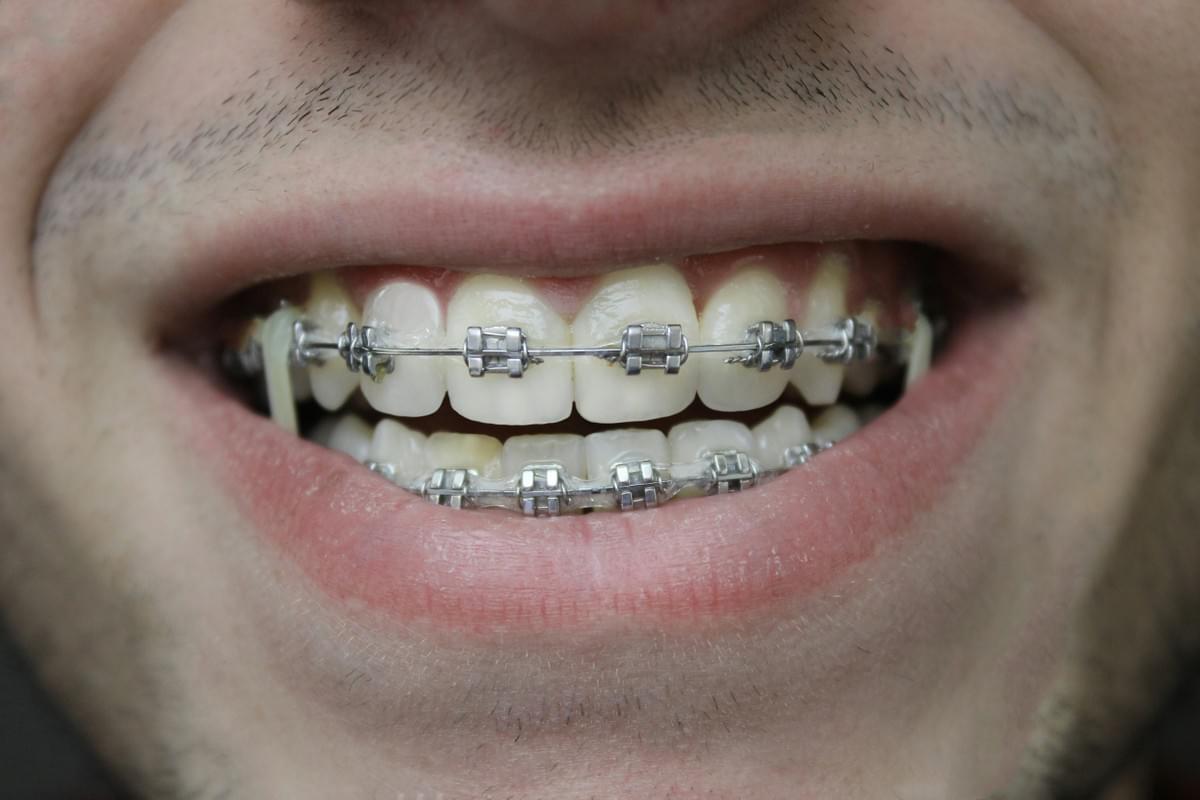
The versatility of nitinol medical devices allows for remarkable customization, ensuring that each product can be tailored to meet the unique needs of individual patients. This adaptability not only enhances patient comfort but also improves treatment outcomes, making nitinol a go-to material in the healthcare sector. By leveraging advanced manufacturing techniques and innovative design processes, manufacturers can create bespoke solutions that address specific medical challenges.
Tailoring Designs to Meet Patient Needs
Customization begins with understanding the diverse requirements of patients and healthcare providers. Nitinol's unique properties enable engineers to design devices that conform precisely to anatomical variations, ensuring a snug fit and optimal functionality. From stents to orthopedic implants, the ability to tailor designs using wires for nitinol devices is revolutionizing patient care by providing solutions that are as individual as the patients themselves.
Adaptive Technologies using Nitinol
Adaptive technologies harness nitinol's shape memory and superelasticity, allowing medical devices to respond dynamically to changes within the body. For example, stents made from nitinol can expand or contract based on blood flow or pressure changes, providing real-time adaptability that traditional materials simply cannot offer. This level of responsiveness not only enhances device performance but also significantly reduces complications associated with rigid designs.
Case Studies of Custom Solutions
Several case studies highlight the transformative impact of customized nitinol medical devices in clinical settings. One notable example involves a specialized stent designed for a patient with an unusual vascular structure; using wires for nitinol devices allowed surgeons to create a solution tailored specifically for this complex case, resulting in successful treatment outcomes. Another case showcases adaptive orthopedic implants that adjust their shape according to bone growth patterns, demonstrating how innovation in nitinol applications is paving the way for personalized medicine.
Future Trends in Nitinol Technology

As the healthcare industry continues to evolve, the future of nitinol technology looks exceptionally promising. Innovations in nitinol medical devices are emerging at a rapid pace, driven by ongoing research and development efforts. These advancements are not only enhancing existing applications but also paving the way for entirely new uses of nitinol in medical devices.
Innovations in Nitinol Applications
Nitinol's unique properties, such as its shape memory and superelasticity, lend themselves to groundbreaking innovations within the medical field. New applications are being explored, including minimally invasive surgical tools that utilize nitinol wires for enhanced flexibility and precision during procedures. Additionally, researchers are investigating the potential of nitinol in drug delivery systems and orthopedic implants, where its adaptability can lead to improved patient outcomes.
These innovations are not just theoretical; they have already begun to transform practices within hospitals and clinics. For instance, companies are developing stents that expand automatically upon deployment due to their shape memory effect, significantly reducing procedural complications. As more applications come to light, it's evident that nitinol medical devices will play an increasingly critical role in modern healthcare solutions.
The Role of GEE SMA in Advancements
GEE SMA has positioned itself at the forefront of these advancements through its commitment to quality and innovation in manufacturing nitinol medical devices. Their expertise in sourcing high-quality wires for nitinol devices ensures that each product meets stringent performance standards necessary for life-saving applications. By leveraging advanced technologies and skilled craftsmanship, GEE SMA is continually pushing the boundaries of what’s possible with nitinol alloys.
Moreover, GEE SMA actively collaborates with healthcare providers and researchers to identify specific needs within the industry. This partnership approach allows them to tailor solutions that directly address challenges faced by clinicians and patients alike. As a result, GEE SMA is not just a manufacturer but a vital contributor to shaping the future landscape of nitinol technology.
Predictions for the Nitinol Market
Looking ahead, experts predict significant growth in the market for nitinol medical devices over the next decade. With increasing demand for minimally invasive procedures coupled with technological advancements, manufacturers will likely see a surge in orders for products utilizing innovative designs based on nitinol properties. This trend suggests that companies specializing in wires for nitinol devices will need to scale operations while maintaining high-quality standards.
Furthermore, as regulatory pathways become clearer for new applications involving nitinol alloys, investment opportunities will flourish within this sector. Startups focusing on niche markets—like specialized surgical tools or advanced implants—will emerge alongside established players like GEE SMA who continue leading innovation efforts. Overall, it’s safe to say that we’re just scratching the surface when it comes to unlocking the full potential of nitinol technology.
Challenges in Nitinol Manufacturing
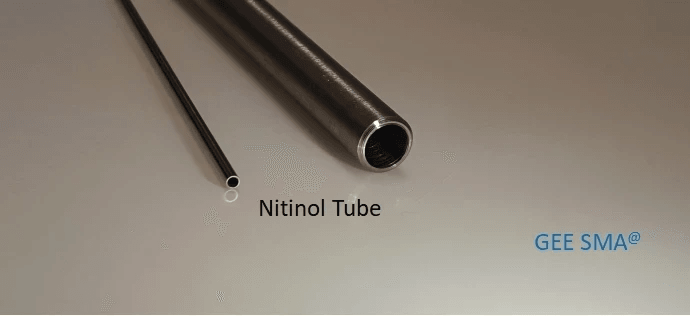
Nitinol manufacturing, while revolutionary, faces several challenges that can impede the production of high-quality nitinol medical devices. From material limitations to regulatory hurdles and market demands, these factors require innovative solutions and adaptability from manufacturers like GEE SMA. Addressing these challenges is crucial for the continued advancement and acceptance of nitinol in medical devices.
Overcoming Material Limitations
One of the significant challenges in producing nitinol medical devices is the inherent limitations of the material itself. Nitinol's unique properties, such as shape memory and superelasticity, can sometimes lead to inconsistencies during production, particularly when sourcing wires for nitinol devices. Manufacturers must invest in advanced techniques and technologies to ensure uniformity and reliability in their products while harnessing the full potential of this remarkable alloy.
Moreover, understanding the specific thermal and mechanical properties of nitinol is essential for overcoming these limitations. Each batch can exhibit variations that affect performance; thus, continuous research into refining alloy compositions is necessary. This ongoing effort ensures that manufacturers can produce high-quality nitinol medical devices that meet stringent performance criteria.
Ensuring Regulatory Compliance
Navigating regulatory compliance presents another hurdle for those involved in nitinol manufacturing. The healthcare industry is heavily regulated, with strict guidelines governing every aspect of product development—from initial design to final testing and approval processes for nitinol in medical devices. Manufacturers must stay updated on evolving regulations to avoid costly delays or rejections during approval phases.
The complexity increases further when considering international markets; different countries may have varying standards for safety and efficacy related to nitinol medical devices. This necessitates a robust quality management system that not only meets local regulations but also aligns with global best practices. By prioritizing compliance from the outset, companies can streamline their processes and enhance their reputation within the industry.
Addressing Market Demands
As demand for innovative healthcare solutions grows, so too does pressure on manufacturers to deliver advanced products quickly without sacrificing quality—particularly when it comes to wires for nitinol devices used in critical applications like stents or orthopedic implants. The fast-paced nature of technological advancements means companies must be agile enough to adapt their offerings rapidly while ensuring they meet patient needs effectively.
Market competition also drives manufacturers to push boundaries regarding customization options available within their product lines—something that requires both creativity and technical prowess in working with materials like nitinol. Companies must balance innovation with cost-effectiveness while maintaining high standards throughout production cycles if they wish to thrive amidst shifting market dynamics.
In conclusion, addressing these challenges will be vital as we move forward into an era where nitinol medical devices play an increasingly prominent role in healthcare solutions worldwide.
Conclusion
As we wrap up our exploration of Nitinol and its transformative role in the healthcare sector, it becomes clear that this unique material is not just a passing trend but a game changer. The versatility of nitinol medical devices has revolutionized treatment options, providing innovative solutions that enhance patient outcomes. With ongoing advancements and increasing applications, the impact of Nitinol in medical devices is poised to grow even further.
The Impact of Nitinol in Healthcare
Nitinol's significance in healthcare cannot be overstated; its unique properties allow for the creation of highly effective medical devices that cater to diverse needs. From stents to guidewires, nitinol medical devices have improved surgical precision and reduced recovery times for patients. The shape memory effect and superelasticity inherent to nitinol provide unparalleled performance compared to traditional materials, making it a cornerstone of modern medicine.
Advancements Driven by GEE SMA
GEE SMA stands at the forefront of nitinol innovation, pushing boundaries through cutting-edge manufacturing processes and tailored solutions for nitinol medical devices. Their commitment to quality ensures that every wire for Nitinol devices meets rigorous standards while also being adaptable to various applications. This dedication not only enhances the functionality of medical tools but also accelerates the pace at which new technologies enter the market.
Looking Ahead: The Future of Nitinol Devices
The future is bright for Nitinol technology, with exciting developments on the horizon that promise even greater enhancements in patient care. As research continues and new applications emerge, we can expect GEE SMA to play a pivotal role in shaping this landscape with innovative designs and advanced manufacturing techniques tailored specifically for nitinol medical devices. With an ever-increasing demand for customized solutions, the market for wires for Nitinol devices will likely expand significantly, paving the way for breakthroughs we can only begin to imagine.