

Introduction

Nitinol, a remarkable nickel titanium alloy, has captivated the attention of researchers and industries alike due to its unique properties and versatile applications. This shape memory alloy exhibits extraordinary characteristics that make it invaluable in various fields, particularly in medicine and engineering. Understanding the properties of nitinol is essential for appreciating its impact on technology and innovation.
Understanding Nitinol and Its Importance
Nitinol, composed primarily of nickel and titanium, is not just another metal; it embodies a blend of unique attributes that set it apart from traditional materials. The importance of this nickel material lies in its ability to return to a predetermined shape when heated, making it ideal for applications ranging from medical devices to robotics. As we delve into the world of nitinol nickel titanium, we will uncover how these properties revolutionize industries.
The Unique Properties of Nitinol
The properties of nitinol are nothing short of fascinating; they include exceptional flexibility, corrosion resistance, and biocompatibility. This titanium alloy can undergo significant deformation while maintaining its structural integrity, allowing for innovative designs that traditional metals cannot achieve. Moreover, the thermal behavior exhibited by nitinol opens up new possibilities in applications where temperature sensitivity is crucial.
Exploring the Applications of Nickel Titanium
The versatility of nickel titanium extends far beyond the realm of science fiction; it's actively shaping our reality through various applications today. From medical uses like stents and root canal instruments—where understanding root canal is for what becomes vital—to industrial innovations in robotics and aerospace engineering, nitinol's influence is undeniable. As we explore these applications further, we will see how this titanium alloy continues to inspire advancements across multiple sectors.
What is Nitinol?
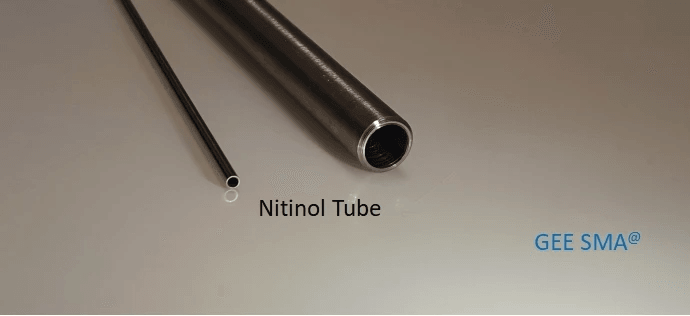
Nitinol is a remarkable alloy primarily composed of nickel and titanium, known for its unique properties that set it apart from other materials. This innovative material exhibits two key characteristics: shape memory effect and superelasticity. These properties make nitinol particularly valuable in various applications, ranging from medical devices to aerospace engineering.
Definition and Composition
Nitinol, a portmanteau of Nickel and Titanium, is an alloy consisting predominantly of these two metals, typically with nickel content ranging between 50% to 60%. The precise composition influences the properties of nitinol, allowing it to be tailored for specific applications. Its ability to return to a predetermined shape when heated highlights its significance as a nickel titanium alloy in modern technology.
Historical Development of Nitinol
The journey of nitinol began in the early 1960s at the Naval Ordnance Laboratory in the United States, where researchers stumbled upon this extraordinary nickel titanium alloy while searching for new materials for military applications. Initially considered a curiosity, its unique properties soon drew attention from various industries, particularly medicine. Over the decades, advancements in processing techniques have propelled nitinol into mainstream use, cementing its status as an essential material across multiple fields.
The Science of Shape Memory Alloys
At the heart of nitinol's appeal lies its classification as a shape memory alloy (SMA). This means that when deformed at lower temperatures, it can return to its original shape upon heating above a specific transition temperature. The science behind this phenomenon involves complex phase transformations between different crystalline structures—namely martensite and austenite—allowing this nickel material to exhibit both flexibility and strength under varying conditions.
Properties of Nitinol
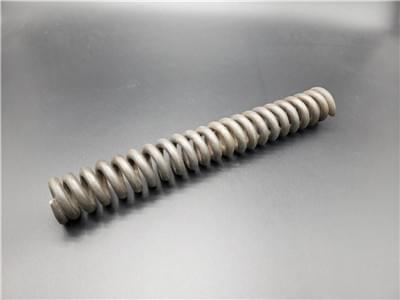
Nitinol, a remarkable alloy composed primarily of nickel and titanium, boasts a unique set of properties that make it stand out in various applications. Understanding the properties of nitinol is essential for harnessing its potential across industries, from medical devices to aerospace engineering. In this section, we will delve into its unique thermal properties, mechanical characteristics and flexibility, as well as corrosion resistance and biocompatibility.
Unique Thermal Properties
One of the most fascinating properties of nitinol is its ability to undergo phase transformations in response to temperature changes. This means that when heated above a certain threshold, nitinol can revert to its original shape after being deformed—an attribute known as the shape memory effect. The thermal properties of this nickel titanium alloy allow it to perform exceptionally well in applications where temperature fluctuations are common, making it an invaluable material in both medical and industrial settings.
Additionally, the specific transition temperatures can be tailored during production by adjusting the composition of titanium and nickel within the alloy. This adaptability makes nitinol suitable for a variety of uses, from stents that expand at body temperature to actuators that respond dynamically in robotics. Thus, understanding these unique thermal properties not only showcases the versatility of this titanium alloy but also emphasizes why choosing nitinol matters for innovation.
Mechanical Characteristics and Flexibility
The mechanical characteristics of nitinol are another reason it's often favored over traditional metals like stainless steel or pure titanium. With an impressive combination of strength and flexibility, this nickel material can endure significant deformation while returning to its original form without permanent damage. This quality is particularly beneficial in medical devices such as guidewires or root canal instruments—where precision and adaptability are crucial.
Moreover, nitinol's inherent elasticity allows it to absorb shock better than many other materials; this makes it ideal for applications requiring resilience under stress or impact. Its mechanical prowess ensures that devices made with nitinol can operate effectively over extended periods without compromising performance or safety standards. Consequently, understanding these mechanical characteristics is vital for industries looking to leverage the advantages offered by nickel titanium alloys.
Corrosion Resistance and Biocompatibility
When discussing the properties of nitinol, one cannot overlook its exceptional corrosion resistance—a critical factor for any material used in harsh environments or biological settings. The formation of a stable oxide layer on the surface protects against degradation when exposed to moisture or chemicals; hence why it's extensively used in medical implants and surgical instruments where sterility is paramount. This corrosion resistance significantly extends the lifespan of devices made with this innovative titanium alloy.
In addition to resisting corrosion, biocompatibility is another standout feature that makes nitinol particularly attractive for use within living organisms. The body's immune system typically accepts nickel titanium due to its non-reactive nature; thus making it suitable for long-term implantation without adverse effects on surrounding tissues or organs. As such, understanding these qualities not only highlights why choosing nitinol matters but also reinforces its role as a game-changer across multiple sectors.
Nitinol in Medical Applications

Nitinol, a unique nickel titanium alloy, has revolutionized various medical applications due to its remarkable properties of nitinol. Its shape memory and superelastic capabilities make it an ideal candidate for devices that require flexibility and reliability within the human body. From stents to dental tools, the versatility of this nickel material is paving the way for innovative solutions in healthcare.
Use in Stents and Guidewires
One of the most significant applications of nitinol lies in cardiovascular medicine, particularly in stents and guidewires. The properties of nitinol allow these devices to expand upon reaching body temperature, ensuring they fit snugly within blood vessels while maintaining their structural integrity. This adaptability not only enhances patient safety but also improves recovery times, making nitinol a preferred choice over traditional materials.
Guidewires made from nickel titanium offer exceptional navigability through complex vascular systems. Their superelasticity allows them to bend without breaking, providing surgeons with greater control during procedures. As a result, these innovative tools are instrumental in minimally invasive surgeries, reducing trauma to surrounding tissues while maximizing effectiveness.
The Role of Nitinol in Dental Procedures
In dentistry, nitinol has emerged as a game-changer with its unique properties that cater specifically to oral health needs. Nickel titanium instruments are widely used for root canal treatments because they can navigate the intricate curves of tooth canals more effectively than stainless steel alternatives. By utilizing this advanced titanium alloy, dental professionals can ensure thorough cleaning and shaping during endodontic procedures.
The flexibility and strength of nitinol also enhance the durability of orthodontic wires used in braces. These wires can exert consistent force on teeth while adapting to their movements over time—thanks to the smart characteristics inherent in nickel titanium materials. This dynamic capability not only improves treatment outcomes but also increases patient comfort throughout their orthodontic journey.
Nitinol's Functionality in Orthopedic Devices
Nitinol's extraordinary properties make it an invaluable asset in orthopedic devices such as screws and plates used for bone fixation or repair. The combination of titanium and nickel offers excellent biocompatibility alongside remarkable mechanical characteristics that are crucial for long-term stability within the body. Surgeons appreciate how these implants can adapt under stress without compromising structural integrity—an essential factor when dealing with dynamic human movement.
Moreover, nitinol's ability to return to its original shape after deformation plays a pivotal role in creating self-expanding implants that simplify surgical procedures significantly. This feature is particularly advantageous when treating complex fractures or joint replacements since it minimizes invasive techniques required during surgeries. With ongoing advancements incorporating this versatile titanium alloy into orthopedic solutions, patients can expect improved healing processes and enhanced quality of life post-surgery.
Industrial and Aerospace Applications

Nitinol's unique properties of nitinol make it an invaluable asset in various industrial and aerospace applications. With its remarkable shape memory effect and superelasticity, this nickel titanium alloy has opened doors to innovative solutions across multiple sectors. From robotics to automotive technologies, the versatility of this titanium and nickel combination is reshaping how we approach engineering challenges.
Nitinol in Actuators for Robotics
In the realm of robotics, nitinol is revolutionizing actuator design thanks to its exceptional properties of nitinol. These actuators leverage the shape memory capabilities of nickel titanium, allowing them to change shape when exposed to specific temperatures. This means that robotic systems can achieve more compact designs with less weight while maintaining high performance and flexibility—an essential factor for modern robotics.
The mechanical characteristics and flexibility of nitinol enable actuators to perform intricate movements without the need for bulky motors or complex gears. This not only streamlines robotic designs but also enhances efficiency by reducing energy consumption. As industries continue to embrace automation, the role of nitinol in actuators will undoubtedly expand, making it a key component in future robotic innovations.
Nitinol’s Role in Aerospace Engineering
Aerospace engineering has long been a field ripe for innovation, and nitinol plays a pivotal role thanks to its unique properties as a nickel material. The lightweight nature combined with strength makes this titanium alloy ideal for applications where reducing weight is crucial—think aircraft components that require both durability and efficiency. Engineers are increasingly looking toward nitinol for parts such as control surfaces, where its ability to revert back to a predetermined shape under specific conditions can enhance performance.
Additionally, the corrosion resistance of nitinol ensures longevity even under harsh environmental conditions typical in aerospace settings. This property is particularly valuable when considering maintenance costs and safety standards in aviation technology. As aerospace engineers continue pushing boundaries, incorporating more advanced materials like nickel titanium will be essential for developing next-generation aircraft.
Advancements in Automotive Technologies
Automotive technologies are also benefiting from the remarkable features offered by nitinol's properties of nitinol. The automotive industry is constantly seeking ways to improve efficiency while meeting stringent regulatory standards; hence, incorporating materials like nickel titanium becomes imperative. Nitinol can be utilized in various applications—from adaptive suspension systems that adjust based on road conditions to innovative locking mechanisms that enhance vehicle security.
Moreover, advancements in manufacturing processes have made it easier than ever to integrate these titanium alloys into existing automotive designs without significant alterations or increased costs. This adaptability not only saves time but also encourages manufacturers to explore new possibilities using this versatile material further. With ongoing research into improved formulations of nickel titanium alloys, it's clear that the automotive sector will continue reaping benefits from this cutting-edge technology.
GEE SMA's Contributions to Nitinol Development
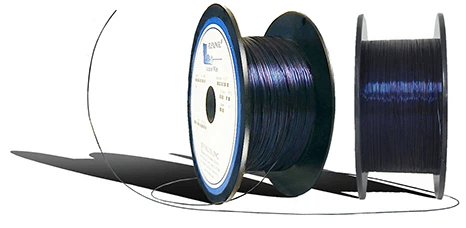
GEE SMA has emerged as a pioneering force in the development of Nitinol, particularly in harnessing the unique properties of this remarkable nickel titanium alloy. Their mission centers on advancing technology through innovative solutions, showcasing the versatility of titanium and nickel in various applications. By focusing on research and development, GEE SMA is committed to pushing the boundaries of what is possible with Nitinol and its alloys.
Overview of GEE SMA and Its Mission
GEE SMA stands for Global Engineering Excellence in Shape Memory Alloys, a name that encapsulates their dedication to innovation within the realm of nickel titanium materials. The company aims to bridge gaps between scientific research and practical applications by leveraging the unique properties of Nitinol. With a focus on sustainability, efficiency, and cutting-edge technology, GEE SMA plays a crucial role in shaping future advancements across industries.
Nitinol Alloys in Chang’e Missions
One notable application of nitinol alloys can be found in China's Chang’e lunar missions, where these materials have been integral to various components due to their exceptional properties. The ability of nitinol nickel titanium to withstand extreme temperatures while maintaining flexibility makes it an ideal choice for aerospace engineering challenges faced during space exploration. As these missions continue to unfold, GEE SMA's contributions highlight how titanium alloys can revolutionize space technology through their reliability and performance.
Custom Solutions in Nitinol Applications
In addition to its work with aerospace technologies, GEE SMA specializes in providing custom solutions tailored specifically for industries that rely heavily on the unique characteristics of nitinol materials. Whether it's creating specialized medical devices or advanced robotic actuators, their expertise ensures that clients receive products designed for optimal performance using nickel material that meets stringent requirements. By emphasizing collaboration with clients and understanding their needs, GEE SMA exemplifies how tailored approaches can maximize the advantages offered by titanium alloys.
Conclusion
In wrapping up our exploration of Nitinol, it's evident that this remarkable nickel titanium alloy has a bright future ahead. The unique properties of Nitinol, including its shape memory and superelasticity, position it as a game-changer across various industries. As technology continues to evolve, the demand for innovative materials like nitinol nickel titanium will only increase.
The Future of Nitinol in Technology
The future of nitinol in technology is incredibly promising, particularly with advancements in medical devices and aerospace applications. Its exceptional properties of nitinol allow for the creation of more efficient stents and guidewires that improve patient outcomes significantly. Moreover, as industries push towards automation and lightweight materials, titanium and alloys like Nitinol are set to play critical roles in robotics and beyond.
Why Choosing Nitinol Matters for Innovation
Choosing nitinol matters because it embodies the perfect blend of strength, flexibility, and biocompatibility that modern innovations demand. Industries such as healthcare are increasingly recognizing the benefits of using nickel titanium in devices designed for intricate procedures—after all, who wouldn’t want a root canal that’s less painful? By leveraging the unique properties of nitinol, companies can create solutions that not only meet but exceed current standards.
Embracing the Versatility of Titanium Alloys
Embracing the versatility of titanium alloys opens doors to countless possibilities across various sectors. With its corrosion resistance and mechanical characteristics, nitinol is paving the way for advancements in automotive technologies and aerospace engineering alike. As we continue to explore what titanium and nickel can achieve together through innovations like nitinol nickel titanium products, we are reminded that material science holds the key to unlocking our technological potential.