

Introduction
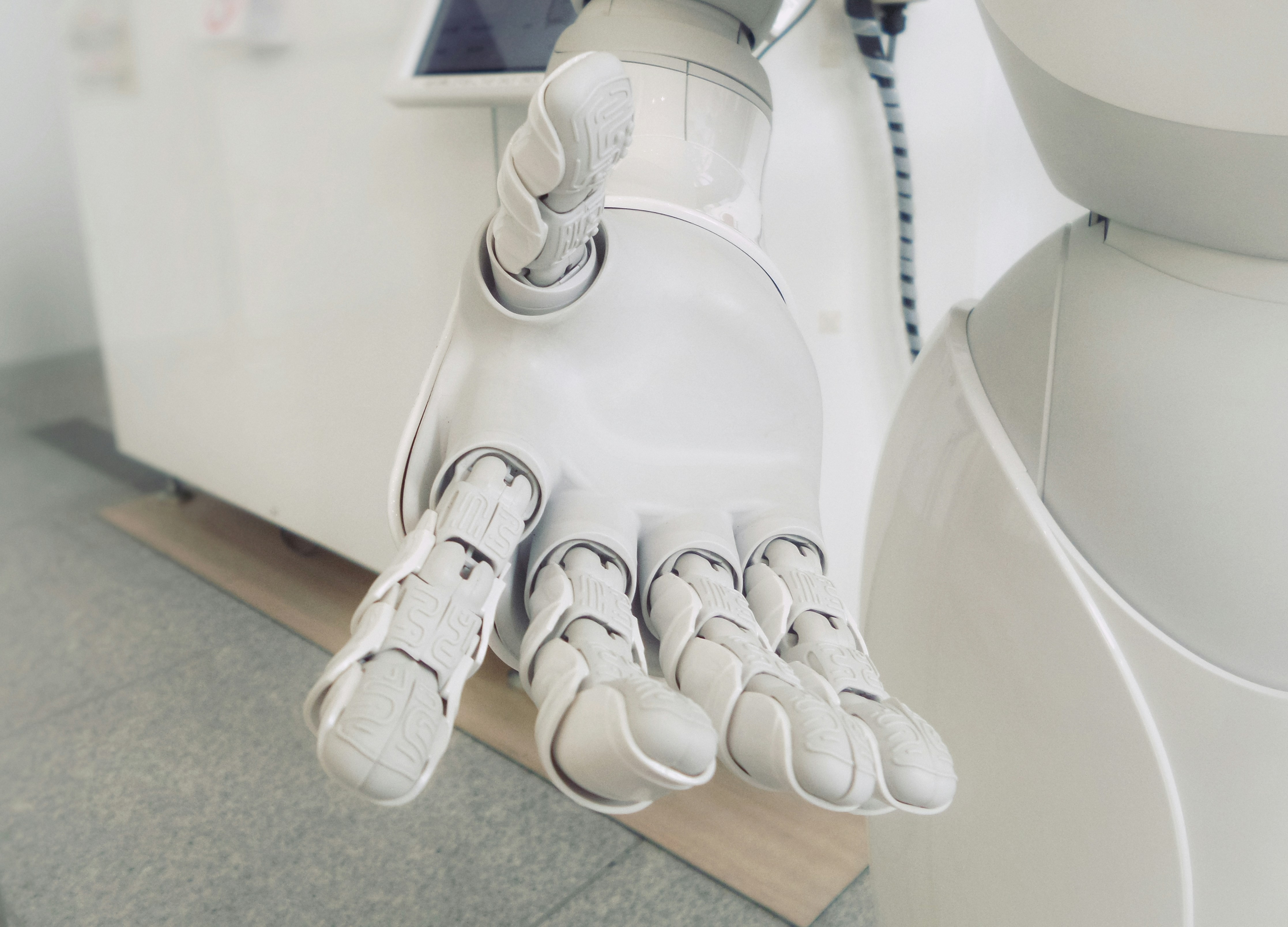
In the rapidly evolving landscape of technology, SMA motors are making waves with their unique capabilities and applications. These remarkable devices, derived from shape memory alloys (SMAs), play a crucial role in various sectors, including robotics and medicine. Their innovative designs not only enhance performance but also pave the way for groundbreaking advancements in treatments for conditions like spinal muscular atrophy (SMA).
The Role of SMA Motors in Modern Technology
SMA motors are revolutionizing how we approach mechanical systems, offering unparalleled efficiency and adaptability. By utilizing the properties of shape memory alloys, these motors can change shape or position when subjected to temperature variations, making them ideal for precise movements in diverse applications. From aerospace engineering to medical devices, the role of SMA motors is becoming increasingly significant as industries seek smarter solutions.
Breaking Down Spinal Muscular Atrophy
Spinal muscular atrophy (SMA) is a genetic disorder characterized by progressive muscle weakness due to motor neuron degeneration. This condition presents numerous challenges for those affected, including difficulties with movement and daily activities. Understanding SMA symptoms is essential for developing effective therapies that can improve quality of life for patients and their families.
Key Innovations in SMA Treatment
Recent advancements have led to promising new treatments aimed at addressing the underlying causes of spinal muscular atrophy. Innovative therapies are now emerging that target specific genetic mutations responsible for this condition, offering hope to many who suffer from it. As research continues to unfold, the integration of technologies like SMA motors into treatment protocols may further enhance therapeutic outcomes and patient experiences.
What is SMA Motor Technology
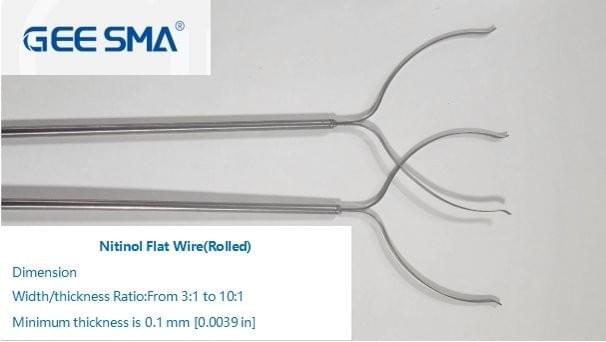
SMA motor technology is a fascinating intersection of engineering and material science that has garnered attention across various industries. At its core, it leverages the unique properties of shape memory alloys (SMAs) to create motors capable of transforming energy into mechanical movement in an efficient and responsive manner. This technology not only enhances existing systems but also opens doors for innovative applications, especially in areas like robotics and medical devices.
Defining SMA Motors and Their Functionality
SMA motors are devices that utilize the remarkable characteristics of shape memory alloys to produce motion when subjected to temperature changes. These materials can remember their original shape; when heated, they return to this pre-defined form, generating significant force in the process. This functionality makes SMA motors particularly suited for applications where compact size and lightweight design are essential—think tiny robots or advanced medical apparatuses designed for treating SMA symptoms.
The beauty of SMA motors lies not just in their operation but also in their versatility; they can be engineered to perform specific tasks ranging from simple actuation to complex movements required in intricate machinery. In the context of spinal muscular atrophy (SMA) therapy, these motors can enhance devices aimed at improving mobility or providing support for those affected by this condition. As such, they represent a bridge between cutting-edge technology and practical solutions for real-world challenges.
The Science Behind Shape Memory Alloys
The science behind shape memory alloys is as intriguing as it is complex. SMAs are typically composed of metals like nickel and titanium that undergo phase transformations when exposed to different temperatures—this phenomenon allows them to revert from a deformed state back to their original configuration upon heating. This unique property is what enables SMA motors to generate movement without the need for traditional electrical components or complex gear systems.
Understanding the mechanics behind these materials reveals why they are so beneficial in both engineering and medical fields related to SMA treatment. For instance, during SMA therapy sessions, devices powered by SMA motors can adjust dynamically according to patient needs, providing personalized support while minimizing discomfort associated with conventional treatments. Thus, the interplay between science and application becomes evident as we explore how these innovations contribute significantly toward enhancing quality of life.
Applications of SMA Motors Across Industries
SMA motors have found applications across a wide array of industries due to their adaptability and efficiency. In robotics, they enable more agile movements while saving on space and weight—ideal for drones or robotic arms used in delicate surgeries where precision matters most. Similarly, within healthcare settings focused on addressing spinal muscular atrophy symptoms, these motors power assistive devices that promote mobility or rehabilitation through gentle yet effective means.
Beyond healthcare and robotics, industries such as aerospace have begun incorporating SMA technology into their designs—think actuators that adjust wing shapes during flight for optimal performance without adding significant weight. The potential applications seem limitless; from automotive systems that require precise control mechanisms to consumer electronics needing compact actuation solutions—the use cases keep expanding as innovation drives development forward in exciting ways!
How SMA Motors Improve Performance
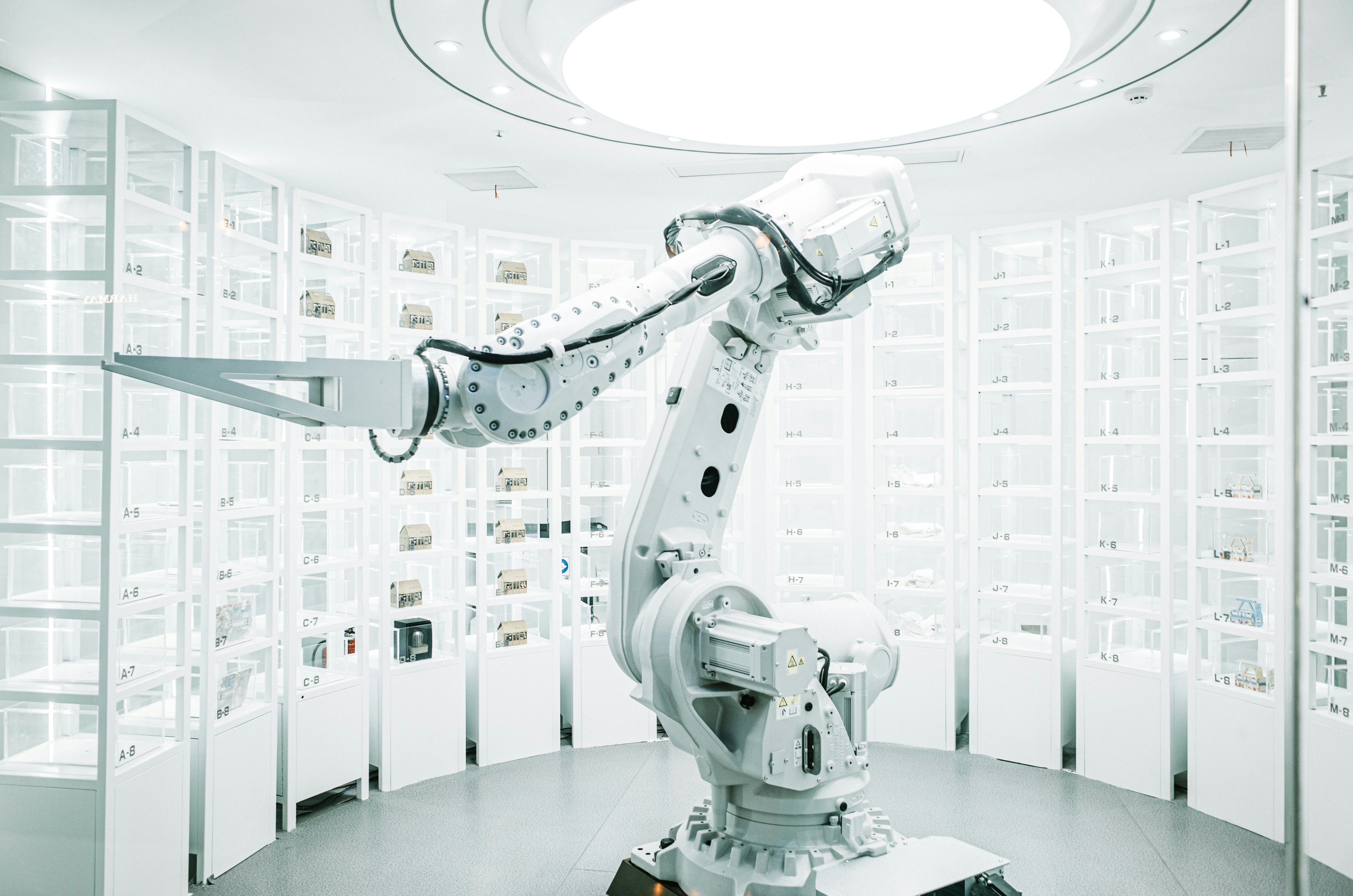
SMA motors are revolutionizing various fields by enhancing performance and efficiency, particularly in robotics and medical devices. These ingenious components leverage the unique properties of shape memory alloys to provide innovative solutions that address real-world challenges. As we delve into the specifics, it’s clear that the impact of SMA technology extends far beyond mere mechanical functionality.
Enhancing Efficiency in Robotics
In the realm of robotics, SMA motors are game-changers, allowing for more compact designs without sacrificing power or precision. Their ability to change shape when exposed to heat enables robots to perform complex movements with remarkable efficiency, which is crucial for tasks ranging from assembly lines to delicate surgical procedures. The integration of SMA motors not only improves energy consumption but also enhances responsiveness, making robotic systems more adaptable in dynamic environments.
Moreover, these motors contribute significantly to reducing weight in robotic applications, which is vital for mobility and speed. With lighter components powered by SMA technology, robots can operate faster and with greater agility—qualities essential for industries like manufacturing and logistics where time is money. In this way, SMA motors are paving the path toward smarter robotic solutions that can tackle increasingly sophisticated tasks.
Improving Medical Devices for SMA Therapy
The intersection of SMA motors and medical devices presents exciting opportunities for improving treatments related to spinal muscular atrophy (SMA). These innovative devices harness the unique properties of shape memory alloys to create adaptive mechanisms that enhance patient care. For instance, prosthetics equipped with SMA motors can adjust dynamically to user movements, providing a more natural experience while alleviating some common symptoms associated with SMA.
Additionally, advancements in medical devices powered by SMA technology have led to improved delivery systems for new treatments targeting spinal muscular atrophy. By enabling precise drug delivery mechanisms that respond automatically based on physiological signals, these devices enhance treatment efficacy while minimizing side effects associated with traditional methods. Thus, incorporating SMA motors into medical technology not only transforms patient experiences but also holds promise for breakthrough therapies aimed at managing or even reversing the effects of SMA symptoms.
Real-World Success Stories
Real-world applications of SMA motors illustrate their transformative potential across various sectors—especially in healthcare and robotics. For example, a notable success story involves a team developing an innovative exoskeleton designed specifically for individuals suffering from spinal muscular atrophy (SMA). By integrating advanced SMA motor technology into its design, this exoskeleton allows users greater mobility and independence while addressing specific challenges posed by their condition.
Another compelling case comes from the field of surgical robotics; here, surgeons have successfully utilized robotic arms powered by SMA motors during minimally invasive procedures. The precision offered by these systems has resulted in quicker recovery times and reduced complications compared to traditional methods—a win-win scenario for both patients and healthcare providers alike! Such success stories underscore how embracing new technologies like sma motor advancements can lead us toward better solutions tailored specifically for those facing challenges related to conditions such as spinal muscular atrophy.
The Connection Between SMA Motors and SMA Conditions

The intersection of SMA motors and spinal muscular atrophy (SMA) conditions is a fascinating area that showcases how technology can address medical challenges. Understanding the symptoms and difficulties faced by those with SMA is crucial to developing effective solutions. By leveraging advancements in SMA treatment, we can significantly improve the quality of life for patients.
Understanding SMA Symptoms and Challenges
SMA, or spinal muscular atrophy, presents a unique set of symptoms that can vary widely among individuals. Common challenges include muscle weakness, difficulty in movement, and respiratory issues that complicate daily activities. These symptoms not only affect physical capabilities but also impact emotional well-being, creating a pressing need for innovative approaches to SMA treatment.
The challenges posed by SMA symptoms necessitate a multi-faceted approach to therapy. Understanding the underlying biology of the condition is key to developing effective interventions that target muscle strength and function. This context sets the stage for exploring how technologies like SMA motors can play a pivotal role in improving treatment outcomes.
Innovative Solutions for SMA Treatment
Recent advancements in SMA treatment have opened new avenues for addressing this challenging condition. One promising area is the integration of SMA motors into therapeutic devices designed specifically for patients with spinal muscular atrophy. These innovative solutions not only enhance mobility but also provide critical support in rehabilitation efforts.
For instance, devices powered by SMA motors can mimic muscle movements, offering assistance where natural strength falls short. This technology allows patients to engage more fully in physical therapy sessions, thereby improving their overall progress toward recovery goals. As researchers continue to explore new treatment modalities, incorporating these advanced motor systems holds significant promise for enhancing patient care.
The Impact of SMA Therapy on Patients
The impact of effective SMA therapy on patients cannot be overstated; it represents hope and empowerment in their daily lives. By utilizing cutting-edge treatments that incorporate innovations like sma motors, patients experience improved functionality and independence as they navigate their world with greater ease. This enhanced quality of life fosters not just physical improvements but also boosts mental resilience against the challenges posed by spinal muscular atrophy.
Moreover, successful implementation of these therapies leads to increased engagement with family and community activities—factors crucial for emotional health as well as physical rehabilitation. As we witness ongoing advancements in treatments targeting sma symptoms through technology-driven solutions, it becomes evident that patient-centric approaches are paving the way forward in this field.
GEE SMA's Contributions to SMA Solutions
In the realm of SMA solutions, GEE SMA stands out as a pioneer, particularly in crafting high-quality Nitinol alloys. These specialized materials are essential for developing effective sma motors that can significantly enhance treatment options for individuals with spinal muscular atrophy (SMA). By focusing on innovation and quality, GEE SMA is committed to improving the lives of those affected by SMA symptoms through advanced technology.
Crafting High-Quality Nitinol Alloys
Nitinol alloys are at the heart of many sma motor applications, providing unique properties that make them ideal for various industries. GEE SMA meticulously engineers these alloys to ensure they possess the right balance of strength and flexibility, crucial for effective sma treatment devices. The result is a new generation of sma motors that not only perform efficiently but also adapt seamlessly to different therapeutic needs.
These high-quality Nitinol alloys allow for precision engineering in medical devices aimed at addressing SMA symptoms. For instance, they can be used in assistive technologies that support muscle movement and coordination, enhancing the overall effectiveness of sma therapy. With ongoing research and development, GEE SMA continues to refine these materials, paving the way for innovative solutions in the fight against spinal muscular atrophy.
Applications in Space Missions and Beyond
GEE SMA's contributions extend beyond healthcare; their innovative use of sma motors has found applications in space missions as well. The reliability and lightweight nature of Nitinol alloys make them suitable for aerospace engineering, where performance is critical under extreme conditions. These sma motors can help operate mechanisms in spacecraft that require precise movements without adding unnecessary weight.
In addition to space exploration, these technologies have potential applications across various fields such as robotics and automotive industries. The adaptability of sma motor technology means it can be customized to meet diverse operational demands while maintaining efficiency—much like how it supports patients undergoing new treatments for SMA conditions. This versatility illustrates how advancements in one area can lead to breakthroughs across multiple sectors.
Customizing Solutions for Diverse Needs
One of GEE SMA's key strengths lies in its ability to customize solutions tailored specifically for diverse needs related to spinal muscular atrophy therapy. By collaborating with healthcare professionals and researchers, they develop specialized sma motors designed to address specific challenges faced by individuals with varying degrees of severity regarding their symptoms. This level of customization ensures that each device functions optimally within its intended context.
Moreover, GEE SMA’s commitment extends beyond just creating products; they aim to foster partnerships that promote ongoing innovation within the field of SMA treatment. By integrating feedback from users into their design processes, they continually refine their offerings—leading not only to improved performance but also enhanced patient satisfaction during therapy sessions. Their work exemplifies a holistic approach toward developing effective solutions that truly resonate with patient experiences.
The Future of SMA Innovations
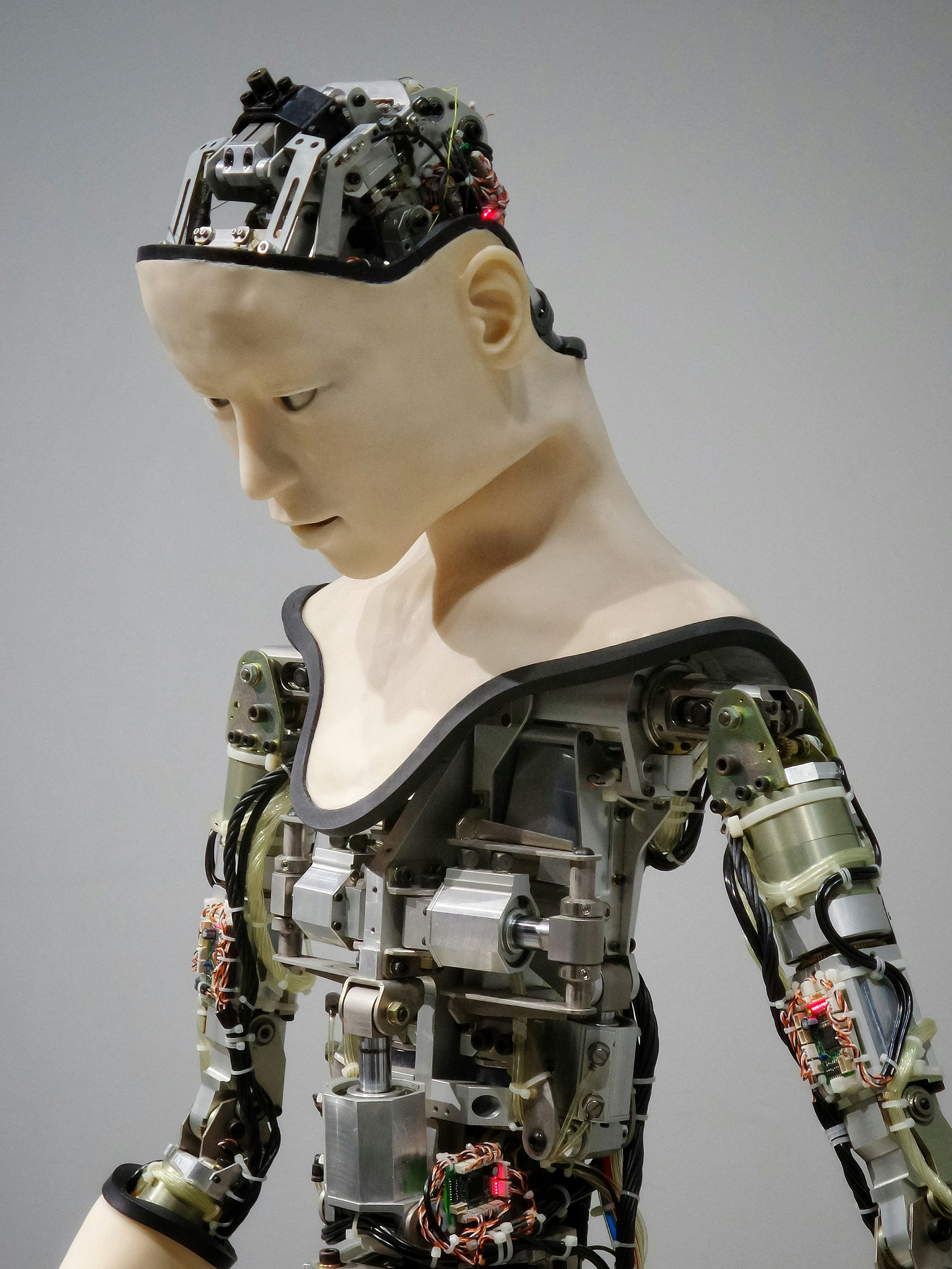
The future of SMA innovations is bright, with a plethora of emerging trends that promise to revolutionize not only the technology behind SMA motors but also their applications in treating conditions like spinal muscular atrophy (SMA). As we dive deeper into the realm of shape memory alloys, researchers are discovering new ways to harness their unique properties for improved efficiency and functionality across various sectors. This evolution is paving the way for smarter, more responsive technologies that could redefine how we approach both engineering and medical challenges.
Emerging Trends in SMA Technology
One of the most exciting trends in SMA technology is the integration of smart materials into robotics and automation. These advanced sma motors can adapt their shape and function in real-time, leading to enhanced performance in robotic applications. Furthermore, ongoing research is focusing on miniaturization, which could make sma motors more accessible for use in compact devices—think wearable tech that could aid patients experiencing symptoms of SMA.
Another noteworthy trend involves the development of hybrid systems that combine traditional actuators with sma motors for greater versatility. This fusion allows engineers to create machines that can switch between different modes of operation depending on task requirements, thus optimizing efficiency. Additionally, advancements in material science are leading to stronger and more resilient shape memory alloys that can withstand harsher conditions while maintaining their unique properties.
Potential Breakthroughs in SMA Treatments
The field of medicine stands on the brink of breakthroughs thanks to innovative applications of sma therapy aimed at treating spinal muscular atrophy (SMA). Researchers are exploring how these advanced materials can be used to develop targeted drug delivery systems or even bioengineered tissues that respond dynamically to patient needs. Such advancements could significantly enhance treatment effectiveness while minimizing side effects associated with conventional therapies.
Moreover, there’s growing interest in using sma motors within assistive devices designed specifically for individuals coping with SMA symptoms. Imagine exoskeletons powered by these remarkable alloys, providing support and mobility assistance tailored precisely to a patient's physical capabilities and needs. These potential breakthroughs represent not just technological advancement but also a profound shift towards personalized medicine.
The Role of SMA Motors in Advancing Science
SMA motors are playing an increasingly pivotal role in advancing scientific research by enabling new experimental setups and methodologies across various disciplines. In laboratories focused on developing new treatments for conditions like spinal muscular atrophy (SMA), these adaptable devices allow scientists to conduct experiments with unprecedented precision and control. As researchers continue to push boundaries, they are likely to uncover novel applications for sma technology that extend far beyond current expectations.
Additionally, collaborations between engineers and medical professionals are fostering an environment ripe for innovation where insights from one field inform breakthroughs in another—creating a synergistic effect that's hard to ignore! By leveraging smart materials like shape memory alloys within medical devices or rehabilitation tools, we can expect significant improvements not only in functionality but also patient outcomes related to sma treatment strategies overall.
In conclusion, as we look toward the horizon filled with possibilities driven by emerging trends and potential breakthroughs involving sma motors and therapies for spinal muscular atrophy (SMA), it’s clear: this journey has just begun!
Conclusion
In wrapping up our exploration of SMA motors and their multifaceted benefits, it’s clear that these remarkable devices are more than just a technological marvel; they represent a beacon of hope for those affected by spinal muscular atrophy (SMA). SMA motors leverage the unique properties of shape memory alloys to enhance efficiency in various applications, from robotics to medical devices. Their role in advancing SMA treatment options is not only innovative but also life-changing for patients battling the symptoms of this challenging condition.
Recap of SMA Motor Benefits
The benefits of SMA motors are vast and impactful, particularly when it comes to improving the quality of life for individuals with SMA. By utilizing shape memory alloys, these motors provide reliable performance and adaptability across numerous industries, including healthcare where they contribute significantly to SMA therapy advancements. The integration of SMA technology into treatment protocols offers new avenues for addressing the symptoms associated with spinal muscular atrophy, making everyday tasks easier and more manageable.
The Importance of Continued SMA Research
Continued research into SMA treatment options is crucial as we strive to understand better this complex condition and its myriad symptoms. Ongoing studies focused on enhancing the performance of SMA motors can lead to groundbreaking innovations that improve patient outcomes in therapies designed specifically for those with spinal muscular atrophy. By investing in research today, we pave the way for tomorrow's breakthroughs that could revolutionize how we approach both technology and treatment strategies.
Looking Forward to Future SMA Developments
The future holds exciting possibilities for advancements in both SMA motor technology and treatments for spinal muscular atrophy. Emerging trends suggest a convergence between engineering innovations and biomedical applications that could yield new solutions tailored to individual patient needs. As we look forward to these developments, it's vital that we maintain momentum in research efforts; after all, every step forward brings us closer to alleviating the challenges faced by those living with SMA.