

Introduction
Welcome to the fascinating world of shape memory alloys, where metals defy conventional expectations! Imagine a metal that returns to its original shape after being deformed—this remarkable phenomenon is what makes shape memory alloys so intriguing. What Are Shape Memory Alloys?
Shape memory alloys (SMAs) are special types of metals that can remember their original shapes. When subjected to specific temperatures, these metals undergo a transformation that allows them to revert back to their pre-deformed state. This incredible ability makes SMAs, particularly Nitinol, a game-changer in various industries, from healthcare to fashion.
The Science Behind Shape Memory Effect
The science behind the shape memory effect lies in the unique crystalline structure of certain metals, including Nitinol. When heated or cooled past certain temperature thresholds, these metals undergo phase changes that facilitate their return to an original configuration—a process both fascinating and practical. Understanding this underlying mechanism opens the door to numerous innovations and applications across different fields.
Real-World Applications of Shape Memory Alloys
The real-world applications of shape memory alloys are both diverse and impressive; they range from medical devices like stents and guidewires to everyday items like Nitinol glasses frames. These remarkable materials offer functionality without sacrificing style—think of those trendy nitinol eyeglass frames that can bend without breaking! As industries continue to explore their potential, the versatility of SMAs is becoming increasingly evident.
Understanding the Shape Memory Effect

The shape memory effect is a fascinating phenomenon that allows certain metals to return to their original shape after being deformed. This remarkable ability is primarily observed in specific alloys, notably shape memory alloys (SMAs), which include our star player, nitinol. These materials can undergo significant deformation but will revert to a predetermined shape when subjected to certain conditions, making them incredibly versatile and useful in various applications.
How Metals Return to Their Original Shape
Metals that return to their original shape operate on the principles of phase transformation and elasticity. When a metal is deformed, it transitions into a different crystalline structure; however, upon heating or cooling, it can revert back to its original configuration. This unique ability allows these metals to be used in applications ranging from medical devices to everyday items like nitinol glasses frames, where flexibility and resilience are paramount.
The mechanism involves two distinct phases: the martensitic phase at lower temperatures and the austenitic phase at higher temperatures. As temperature changes occur, the metal that returns to its original shape seamlessly shifts between these phases, enabling it to regain its initial form after deformation. This process not only highlights the incredible properties of SMAs but also showcases why they are so valuable across various industries.
The Science of Nitinol and Its Unique Properties
Nitinol is an alloy composed primarily of nickel and titanium that exhibits exceptional characteristics making it stand out among other metals. Not only does this metal that returns to its original shape have a remarkable capacity for transformation with temperature changes, but it also boasts high corrosion resistance and biocompatibility—qualities essential for medical applications like stents and implants. The unique properties of nitinol allow designers and engineers alike to harness its capabilities in innovative ways.
One notable feature of nitinol is its superelasticity; under certain conditions, it can undergo large strains without permanent deformation. This property makes nitinol glasses frames not just stylish but also incredibly durable—perfect for those who lead active lifestyles or have children prone to breaking things! Furthermore, this alloy's ability to remember shapes has led designers toward creating eyeglass frames that adjust comfortably while maintaining their striking appearance.
The Role of Temperature in Shape Memory Alloys
Temperature plays a crucial role in determining how effectively shape memory alloys function; it's essentially the trigger for their transformative powers! In the case of nitinol, specific temperature thresholds dictate whether it remains in its deformed state or reverts back as expected—a phenomenon known as thermal activation. Understanding these temperature ranges allows engineers and scientists alike to tailor designs based on real-world conditions where these materials will be employed.
For example, when exposed to heat above its transformation temperature (known as Af), nitinol will spring back into its memorized form with impressive speed—a quality leveraged in countless applications from robotics components all the way down to those nifty nitinol eyeglass frames you might be wearing right now! Conversely, below this threshold (known as Mf), the material retains any new shapes imposed upon it until heated again; thus providing versatility across varying environments or uses without compromising functionality.
In summary, understanding how metals return to their original shape through mechanisms like those found in nitinol offers insight into both current innovations and future possibilities within diverse fields such as aerospace engineering or even fashion design with trendy eyeglasses made from this remarkable material!
Nitinol: The Star of Shape Memory Alloys
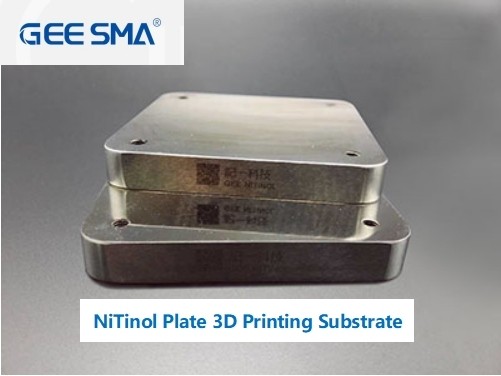
Nitinol, a unique metal that returns to its original shape, is often hailed as the superstar among shape memory alloys. This remarkable material combines both shape memory and superelastic properties, making it incredibly versatile for a wide range of applications. Its distinct characteristics set it apart from other metals, allowing it to be utilized in innovative ways across various industries.
What Makes Nitinol Stand Out
What truly makes Nitinol stand out from other metals is its unique ability to undergo phase transformations in response to temperature changes. When heated above a certain threshold, this metal that returns to its original shape can revert back to a predetermined form after being deformed. This fascinating property allows engineers and designers to create products that can adapt and respond dynamically, leading to innovations that were previously unimaginable.
Moreover, Nitinol's biocompatibility makes it an ideal candidate for medical applications. Unlike many other metals that may cause adverse reactions in the human body, Nitinol is well-tolerated by tissues and fluids. This quality not only enhances its appeal but also underscores why it's become the go-to choice for medical devices and implants.
Nitinol in Medical Devices and Implants
When we talk about the impact of Nitinol in medical devices and implants, we're discussing life-changing innovations that are reshaping healthcare as we know it. For instance, stents made from this remarkable metal that returns to its original shape can expand within blood vessels when heated by body temperature, offering an effective solution for vascular blockages. Similarly, orthopedic implants crafted from Nitinol provide flexibility during insertion while maintaining strength once positioned correctly.
Furthermore, the use of nitinol in guidewires has revolutionized minimally invasive surgeries by allowing doctors greater control over intricate procedures without causing significant trauma to surrounding tissues. The adaptability of this incredible alloy not only improves patient outcomes but also reduces recovery times significantly—a win-win situation! As more breakthroughs emerge involving nitinol-based technologies, it's clear this metal will continue playing a pivotal role in advancing modern medicine.
Nitinol Glasses Frames: Style Meets Functionality
In the realm of fashion accessories, nitinol glasses frames have emerged as a game-changer—combining style with unparalleled functionality! These frames boast the unique ability of being resilient; they flex without breaking or losing their shape thanks to their inherent properties as a metal that returns to its original shape after bending or twisting. Whether you're prone to dropping your glasses or simply want something trendy yet durable, nitinol eyeglass frames offer an ideal solution.
Additionally, these stylish frames are lightweight and comfortable—perfect for all-day wear without sacrificing aesthetics or performance! With various designs available on the market today—from sleek minimalism to bold statements—nitinol glasses cater excellently both fashion-forward individuals and those seeking practicality alike. As consumers increasingly prioritize durability alongside style in their eyewear choices, it's no wonder that nitinol glasses are becoming increasingly popular.
Exploring GEE SMA's Innovations

GEE SMA is at the forefront of innovation in the realm of shape memory alloys, particularly focusing on nitinol, a remarkable metal that returns to its original shape when subjected to specific temperature changes. The company’s commitment to quality and precision ensures that their nitinol alloys are crafted with the utmost care, making them suitable for a variety of applications across diverse industries. With a keen understanding of the unique properties of nitinol, GEE SMA continues to push the boundaries of what this extraordinary metal can achieve.
Crafting High-Quality Nitinol Alloys
At GEE SMA, crafting high-quality nitinol alloys is both an art and a science. The process involves meticulous control over composition and processing techniques to ensure that each batch exhibits the desired properties—such as excellent shape memory capabilities and superelasticity. This attention to detail allows GEE SMA to produce a metal that returns to its original shape reliably, making it ideal for applications ranging from medical devices to nitinol eyeglass frames.
Moreover, GEE SMA uses advanced technology and rigorous testing methods in their alloy production process. This results in nitinol glasses frames that not only look stylish but also perform exceptionally well under various conditions. By focusing on quality and innovation, GEE SMA has positioned itself as a leader in delivering superior nitinol products tailored for modern needs.
Custom Solutions for Unique Customer Needs
Understanding that one size does not fit all, GEE SMA offers custom solutions designed specifically for unique customer needs. Whether it's creating specialized shapes or adjusting material properties for specific applications, their team works collaboratively with clients to develop tailored solutions using high-quality nitinol alloys. This flexibility ensures that customers receive products like nitinol glasses frames that are perfectly suited for their intended use.
In many cases, these custom designs leverage the unique characteristics of this remarkable metal that returns to its original shape under certain conditions. For instance, engineers can design components with intricate shapes that adapt seamlessly during operation while maintaining functionality over time. By prioritizing customization alongside quality craftsmanship, GEE SMA empowers businesses across various sectors—from aerospace engineering to consumer goods—to harness the benefits of innovative materials.
Supporting Space Missions with Nitinol Technology
GEE SMA's innovations extend beyond everyday applications; they also play a vital role in supporting space missions through advanced nitinol technology. In space exploration where reliability is paramount, materials must withstand extreme temperatures and stresses while retaining functionality—qualities inherent in nitinol due to its unique properties as a metal that returns to its original shape when needed most.
The use of nitinol components can enhance spacecraft systems by providing lightweight yet durable solutions capable of operating effectively in harsh environments. From deployable structures like antennas and solar panels to mechanisms requiring precise movement under varying conditions, GEE SMA’s contributions help push the boundaries of what is achievable in space exploration technology. As we look toward future missions beyond Earth’s atmosphere, it is clear that innovations involving high-quality nitinol alloys will play an essential role in shaping our journey into the cosmos.
Beyond Glasses: Nitinol in Everyday Life

Nitinol, the remarkable metal that returns to its original shape, is making waves beyond just eyeglass frames. Its unique properties are being harnessed in various industries, from robotics to aerospace engineering, showcasing its versatility and innovative potential. This section explores how this extraordinary metal is revolutionizing everyday life.
Nitinol Applications in Robotics
In the world of robotics, nitinol is emerging as a game-changer due to its ability to undergo significant deformation while still returning to its original shape. This property allows for the creation of lightweight and flexible robotic components that can adapt to different tasks with ease. Imagine robots that can squeeze through tight spaces or change their form based on environmental conditions—thanks to nitinol's unique characteristics, this is becoming a reality.
Moreover, nitinol actuators are increasingly being used in robotic systems where precision and responsiveness are crucial. These actuators can contract and expand with temperature changes, providing an efficient means of movement without bulky motors or complex mechanisms. As a result, engineers are excited about integrating this metal into future robotic designs for enhanced functionality and efficiency.
The Impact of Nitinol in Aerospace Engineering
The aerospace industry is another field where the impact of nitinol cannot be overstated. Due to its lightweight nature combined with strength and durability, it’s an ideal candidate for various applications within aircraft design and functionality. Components made from this exceptional metal that returns to its original shape can lead to significant weight savings while maintaining structural integrity—an essential factor when it comes to fuel efficiency.
Additionally, nitinol's ability to withstand extreme temperatures makes it suitable for use in high-performance environments like jet engines and space vehicles. Engineers are exploring ways to incorporate nitinol into control surfaces or actuators that adjust during flight conditions, enhancing maneuverability without adding unnecessary weight. As aerospace technology continues advancing toward more sustainable solutions, nitinol stands at the forefront as a material ready for new challenges.
Nitinol Eyeglass Frames: A Fashionable Revolution
When you think about nitinol glasses frames, you might picture stylish eyewear that's not only chic but incredibly functional too! The unique properties of this metal allow for eyeglass frames that bend without breaking—perfect for those who lead active lifestyles or have children who might not handle their glasses delicately. With their ability to return to their original shape after being bent or twisted, these frames offer unparalleled durability compared to traditional materials.
Moreover, designers have embraced nitinol glasses because they can create sleek designs without compromising on comfort or fit; it molds beautifully against the face while remaining lightweight. This fashionable revolution has led many eyewear enthusiasts flocking toward nitinol eyeglass frames as they combine practicality with style effortlessly! Who wouldn’t want a pair of glasses made from a metal that returns to its original shape?
The Future of Shape Memory Alloys
The future of shape memory alloys (SMAs) is bright, particularly for nitinol, a remarkable metal that returns to its original shape when subjected to heat. As research and technology evolve, we are on the brink of discovering new ways to harness the extraordinary properties of this metal. From innovative medical devices to stylish nitinol glasses frames, the potential applications seem almost limitless.
Advancements in Nitinol Technology
Recent advancements in nitinol technology have led to the development of more refined and versatile alloys. Scientists are experimenting with variations in composition and processing methods that enhance the performance characteristics of this unique metal. These improvements not only optimize the shape memory effect but also broaden its applicability across various industries, including aerospace and robotics.
Moreover, researchers are working on integrating smart technologies into nitinol-based systems, allowing for automated responses based on environmental changes. This could revolutionize how we use metals in everyday applications like nitinol eyeglass frames or even medical implants that adjust automatically to body temperature or movement. With these advancements, we can expect a future where nitinol becomes an even more integral part of our lives.
Potential New Applications on the Horizon
As we look ahead, several exciting applications for nitinol are emerging on the horizon. One promising area is robotics, where actuators made from this remarkable metal that returns to its original shape can provide lightweight yet powerful movements. Imagine robots that can adapt their forms dynamically for different tasks—this could change everything from manufacturing processes to personal assistance.
Another intriguing potential lies within architecture and construction materials that utilize SMAs for adaptive building designs. Structures could respond intelligently to environmental factors like wind or temperature changes by altering their shape accordingly—a true testament to innovation! Additionally, as fashion trends evolve, we may see more stylish options featuring nitinol glasses frames that not only look good but also offer unparalleled durability.
The Role of Nitinol in Sustainable Design
Sustainability is becoming increasingly crucial in material science, and nitinol is stepping up as a champion in this arena. Its ability to return to its original shape means less waste during manufacturing processes—an attractive feature for environmentally conscious designers and engineers alike. By minimizing excess material usage while maximizing functionality, this metal showcases a pathway towards greener innovations.
Furthermore, products made from nitinol tend to have longer lifespans than traditional materials due to their resilience and adaptability—think about those durable nitinol eyeglass frames! They resist breakage and deformation better than standard alternatives; thus contributing less waste over time as they don’t need frequent replacements. As industries strive toward sustainable practices, incorporating metals like nitrogen will play a pivotal role in achieving those goals without sacrificing style or function.
Conclusion
The journey through the fascinating world of shape memory alloys (SMAs) reveals their remarkable versatility and potential across various industries. These unique materials, particularly nitinol, showcase a transformative ability to revert to their original shape when subjected to specific thermal conditions. This property not only makes them intriguing from a scientific perspective but also opens up a plethora of innovative applications in everyday life.
The Versatility of Shape Memory Alloys
Shape memory alloys are not just metals; they are metals that return to their original shape after deformation, showcasing an extraordinary blend of functionality and adaptability. This versatility allows them to be utilized in diverse fields such as robotics, aerospace engineering, and even fashion accessories like nitinol glasses frames. The ability of these materials to undergo significant changes without permanent alteration is what sets them apart from traditional metals.
Nitinol's Growing Presence in Various Industries
Nitinol, a standout among shape memory alloys, is increasingly making its mark across various industries due to its unique properties and functionality. From medical devices that require precise movements to stylish nitinol eyeglass frames that combine durability with design, this metal is revolutionizing how we think about everyday products. As more sectors discover the benefits of using this remarkable metal that returns to its original shape, we can expect its influence to expand even further.
How GEE SMA is Leading the Way
GEE SMA is at the forefront of advancing nitinol technology and crafting high-quality nitinol alloys tailored for specific applications. Their commitment to innovation enables them to provide custom solutions that meet unique customer needs while supporting critical ventures such as space missions with cutting-edge nitinol technology. As GEE SMA continues pushing boundaries in the realm of shape memory alloys, they exemplify how businesses can harness the power of these extraordinary materials for practical and stylish uses.