

Introduction
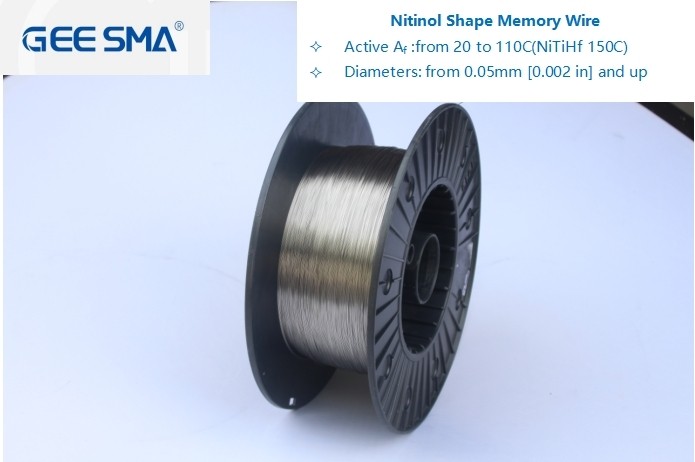
In the realm of materials science, few innovations have garnered as much attention as shape memory alloys, particularly nitinol wire. These remarkable materials possess an extraordinary ability to return to a predetermined shape when subjected to specific temperature changes. This unique characteristic makes them invaluable in various applications, from medical devices to aerospace engineering.
Understanding Shape Memory Alloys
Shape memory alloys (SMAs) are metallic materials that can undergo significant deformation and then revert to their original shape upon heating or cooling. This fascinating property is attributed to the unique crystalline structure of these memory metals, which allows for reversible phase transformations. Nitinol wire, a prominent example of a nickel alloy used in SMAs, showcases this behavior and has revolutionized multiple industries with its versatility.
What is Nitinol Wire?
Nitinol wire is a specific type of shape memory alloy composed primarily of nickel and titanium, giving it its name—an amalgamation of Nickel and Titanium Naval Ordnance Laboratory. This nickel alloy material exhibits both superelasticity and the shape memory effect, making it ideal for applications where flexibility and strength are paramount. Its unique properties have made nitinol wire a go-to solution in various fields, especially medicine.
The Science Behind Memory Metals
The science behind memory metals like nitinol wire lies in their ability to change form under different temperature conditions through a process known as the martensitic transformation. When heated above a certain temperature, the alloy transitions back to its original crystalline structure from a deformed state, effectively remembering its initial shape. This remarkable feature not only enhances performance but also opens up new avenues for innovation across numerous sectors relying on advanced materials like these shape memory alloys.
Exceptional Flexibility and Shape Recovery
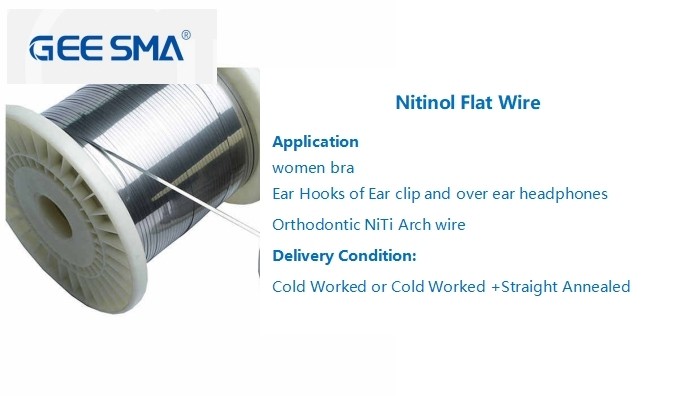
Nitinol wire, a remarkable shape memory alloy, showcases exceptional flexibility and the ability to recover its original shape after deformation. This unique property makes it a standout choice in various applications, particularly in the medical field where precision and reliability are paramount. Understanding how this memory metal bends and returns is key to appreciating its transformative potential.
How Nitinol Wire Bends and Returns
The magic of nitinol wire lies in its unique composition as a nickel alloy material that exhibits both superelasticity and shape memory effects. When subjected to stress, the wire can bend significantly without breaking; upon heating or removing the stress, it swiftly returns to its predetermined shape. This remarkable ability stems from the crystalline structure of the memory alloy, which allows it to remember its original form even after extensive deformation.
Benefits in Medical Applications
In medical applications, the flexibility of nitinol wire translates into numerous benefits for both patients and healthcare providers. For instance, stents made from this shape memory alloy can expand seamlessly within blood vessels, minimizing trauma during insertion while ensuring optimal performance once deployed. Additionally, surgical instruments utilizing nitinol's unique properties allow for minimally invasive procedures that promote faster recovery times for patients.
Real-World Examples of Flexibility
Real-world examples abound where nitinol wire's exceptional flexibility has made a significant impact across various industries. In orthodontics, wires crafted from this shape memory metal help achieve precise tooth alignment with minimal discomfort for patients due to their gentle yet effective force application. Furthermore, in robotics, nitinol actuators leverage the material's ability to bend and return quickly, enhancing movement capabilities in robotic limbs or devices that require adaptive responses.
Biocompatibility for Medical Devices

When it comes to medical devices, the biocompatibility of materials is paramount, and this is where shape memory alloy nitinol wire shines. Nitinol wire, a unique type of memory metal, is widely used in implants and stents due to its excellent compatibility with human tissue. Its ability to adapt while remaining inert makes it a favorite among medical professionals and patients alike.
Nitinol Wire in Implants and Stents
Nitinol wire has revolutionized the field of medical implants and stents by providing unmatched flexibility and strength. The shape memory effect allows these devices to be inserted into the body in a compact form before expanding to their functional shape upon reaching body temperature. This feature not only simplifies surgical procedures but also enhances patient comfort, making nitinol wire an essential component in modern healthcare.
Safety of Nickel Alloy Material
Concerns about material safety are always at the forefront when developing medical devices, especially those that remain inside the body for extended periods. Fortunately, nickel alloy material used in nitinol wire is well-studied and considered safe for most patients. While some individuals may have sensitivities to nickel, ongoing research continues to ensure that the benefits of using this remarkable shape memory alloy outweigh potential risks.
Long-Term Patient Benefits
The long-term benefits of using shape memory alloys like nitinol wire in medical applications are substantial. Patients experience fewer complications due to reduced friction between devices and surrounding tissues, leading to faster recovery times. Moreover, the durability of nitinol wire means that patients can rely on these implants for years without significant degradation or failure—offering peace of mind along with physical health.
Temperature Sensitivity and Responsiveness

Temperature sensitivity is one of the most fascinating features of shape memory alloys, particularly with nitinol wire. This unique property allows these materials to undergo dramatic transformations in response to temperature changes, effectively remembering their original shape. When heated above a certain threshold, nitinol wire can revert to its pre-defined form, showcasing the remarkable characteristics of memory metals.
The Shape Memory Effect Explained
The shape memory effect is a phenomenon that occurs in shape memory alloys like nitinol wire, where the material can return to its original configuration after being deformed. This happens because the atomic structure of the alloy changes when subjected to different temperatures; at lower temperatures, it adopts a more flexible phase, while at higher temperatures it transitions into a rigid state. Essentially, this means that when you bend or twist nitinol wire and then heat it up, it will spring back to its original shape—truly embodying what we call a memory alloy.
Applications in Robotics and Engineering
In robotics and engineering, the applications of shape memory alloy nitinol wire are nothing short of revolutionary. Engineers are leveraging the unique properties of this memory metal to create actuators that require minimal power while providing significant movement capabilities. For instance, robotic arms equipped with nitinol wires can perform intricate tasks by utilizing their ability to respond dynamically to temperature changes—an invaluable trait for precision engineering.
Innovative Uses in Everyday Products
Beyond high-tech applications, innovative uses for shape memory alloys can be found in everyday products as well. From self-heating coffee mugs that reshape themselves when warmed up to eyeglass frames that adjust fit based on temperature changes—nitinol wire is making everyday life just a bit more convenient and fun! These ingenious applications demonstrate how versatile and beneficial nickel alloy materials like nitinol can be across various sectors.
Lightweight and Durable Solutions
When it comes to engineering materials, the race is often between weight and strength. Enter shape memory alloy nitinol wire, a game-changer in this arena. While traditional metals like steel and aluminum have their merits, they simply can't match the unique combination of lightweight properties and remarkable durability offered by memory alloys.
Comparing Nitinol Wire to Traditional Metals
Nitinol wire stands out when compared to traditional metals due to its impressive strength-to-weight ratio. Unlike heavier nickel alloy materials, shape memory alloy nitinol wire can achieve similar or even superior performance while being significantly lighter. This characteristic allows engineers to design components that are not only efficient but also easier to handle and install.
Moreover, the flexibility of shape memory alloys means they can endure greater deformation without permanent damage—a feat that many conventional metals struggle with. This resilience makes nitinol wire an ideal choice for applications requiring repeated bending or movement without compromising structural integrity. As industries continue to seek innovative solutions, the advantages of using nitinol over traditional metals become increasingly clear.
Advantages in Aerospace Engineering
In aerospace engineering, weight reduction is crucial for enhancing fuel efficiency and payload capacity. Shape memory alloy nitinol wire is making waves in this field by enabling lighter designs without sacrificing performance or safety standards. For instance, components made from this remarkable material can withstand extreme temperatures while maintaining their shape—ideal for high-stress environments like aircraft wings or rocket nozzles.
Additionally, the unique properties of memory metal allow for self-repairing mechanisms in certain designs, which can significantly reduce maintenance costs over time. Engineers are thrilled about incorporating shape memory alloys into various systems that demand both reliability and adaptability under changing conditions. It's no wonder that aerospace companies are increasingly turning to nitinol as a solution for their most challenging engineering problems.
Case Studies in Automotive Design
The automotive industry has also recognized the potential of shape memory alloys like nitinol wire for creating innovative solutions that enhance vehicle performance and passenger comfort. For example, some modern car manufacturers have begun integrating these materials into adaptive suspension systems that adjust automatically based on road conditions—providing a smoother ride while optimizing fuel efficiency.
Another exciting application involves using nitinol in active safety features such as crumple zones that respond dynamically during an impact event; this not only protects passengers but also helps maintain vehicle integrity post-collision. These case studies illustrate how leveraging nickel alloy materials like shape memory alloys can lead to groundbreaking advancements in automotive design—transforming vehicles into smarter machines equipped with state-of-the-art technology.
Design Freedom and Versatility
The unique properties of shape memory alloy nitinol wire offer unparalleled design freedom and versatility across various industries. With its ability to return to a predetermined shape upon heating, this memory metal allows engineers and designers to think outside the box, creating innovative solutions that were previously unimaginable. From intricate components in medical devices to flexible structures in aerospace, the adaptability of nitinol wire is transforming how products are conceived and constructed.
Customization Options with Shape Memory Alloys
One of the standout features of shape memory alloys like nitinol wire is their customization potential. Designers can tailor the material’s properties—such as transformation temperatures and mechanical characteristics—to meet specific application requirements, making it an ideal choice for specialized uses. This level of personalization means that whether you’re crafting a delicate medical implant or a robust aerospace component, you can fine-tune your shape memory alloy to achieve optimal performance.
Furthermore, customization extends beyond mere physical properties; it also encompasses design aesthetics. Nitinol wire can be manipulated into various forms and shapes without sacrificing functionality, allowing for sleek designs that appeal to both engineers and end-users alike. The result is not just a product but a harmonious blend of form and function that showcases the true versatility of memory metals.
Integration in Advanced Technology
The integration of shape memory alloy nitinol wire into advanced technology is revolutionizing numerous fields by enhancing performance capabilities. In robotics, for instance, the unique flexibility and responsiveness of this nickel alloy material enable the development of soft robots that can mimic natural movements with incredible precision. This brings forth applications ranging from surgical robots that navigate complex human anatomy to robotic limbs designed for dexterity.
Moreover, in the realm of aerospace engineering, nitinol wire's lightweight yet durable nature allows for innovative designs that improve fuel efficiency without compromising structural integrity. Engineers are increasingly leveraging this memory alloy to create components that adapt dynamically during flight conditions or even deploy mechanisms automatically when certain temperature thresholds are reached. Such advancements underscore how integrating shape memory alloys into technology paves the way for next-generation innovations.
Nitinol Wire in Consumer Electronics
In consumer electronics, shape memory alloy nitinol wire is making waves by enabling smarter devices with enhanced user experiences. Imagine smartphones with flexible screens or wearables that adjust their fit based on body temperature—these concepts are becoming reality thanks to the remarkable properties of this memory metal. The ability of nitinol wire to change shape seamlessly opens up new avenues for product design in an industry constantly seeking differentiation.
Additionally, manufacturers are exploring how nitinol can enhance device durability through self-healing features or adaptive interfaces that respond intuitively to user interactions. As consumers demand more personalized technology experiences, incorporating nickel alloy materials like nitinol into everyday gadgets becomes increasingly appealing. Ultimately, this integration not only elevates product functionality but also sets a new standard for what consumers expect from their electronic devices.
GEE SMA’s Role in Space Missions
The role of GEE SMA and its innovative use of shape memory alloy nitinol wire in space missions is nothing short of groundbreaking. These advanced materials not only withstand the harsh conditions of outer space but also exhibit remarkable properties that enhance mission success. As space exploration continues to evolve, the integration of memory metals like nitinol wire is proving essential for both functionality and reliability.
Powering Chang’e-5 and Tianwen Missions
The Chang’e-5 and Tianwen missions have showcased the incredible capabilities of shape memory alloys, particularly nitinol wire, in real-world applications beyond Earth. In these missions, nitinol wire has been utilized for critical components that require precise movements and adaptability under extreme temperatures. The flexibility and resilience of this nickel alloy material ensure that equipment functions optimally, allowing for successful landings and explorations on celestial bodies.
Moreover, the deployment mechanisms powered by shape memory metal have significantly improved the efficiency of operations during these missions. For instance, they enable rapid deployment of scientific instruments or solar panels when needed while ensuring a compact design during transport through space. This innovative approach not only enhances mission performance but also highlights the versatility of memory alloys like nitinol wire in aerospace engineering.
Achievements of Nitinol Shape Memory Alloys
Nitinol shape memory alloys have achieved impressive milestones in various space missions due to their unique properties that allow them to return to predetermined shapes upon heating. This quality is particularly advantageous when designing components that must endure extreme conditions yet remain functional over time. The success stories from these missions underline how effectively this nickel alloy material can contribute to advancements in aerospace technology.
One notable achievement includes the utilization of nitinol wire in robotic arms designed for planetary exploration, which require both strength and precision during operation. These robotic systems leverage the exceptional flexibility offered by shape memory metals to perform intricate tasks on distant planets with minimal human intervention. Such accomplishments not only validate the use of shape memory alloys but also pave the way for future innovations within space exploration.
Future Aspirations in Space Exploration
Looking ahead, GEE SMA envisions a future where shape memory alloys like nitinol wire play an even more significant role in upcoming space endeavors. As we push boundaries further into our solar system and beyond, there will be an increasing need for materials that can withstand diverse environments while offering reliable performance. The potential applications for memory metals are vast—from advanced spacecraft systems to autonomous rovers equipped with adaptable mechanisms powered by nickel alloy materials.
Furthermore, ongoing research into enhancing the properties of shape memory metals could lead to even more revolutionary uses within aerospace engineering and other industries as well. As we continue exploring Mars or venturing toward asteroids, incorporating advanced technologies involving nitinol wire will be vital for successful outcomes—ensuring safety and efficiency throughout each mission phase. With every new achievement using these remarkable materials, it becomes clear why GEE SMA is at the forefront of shaping our future in space exploration.
Conclusion
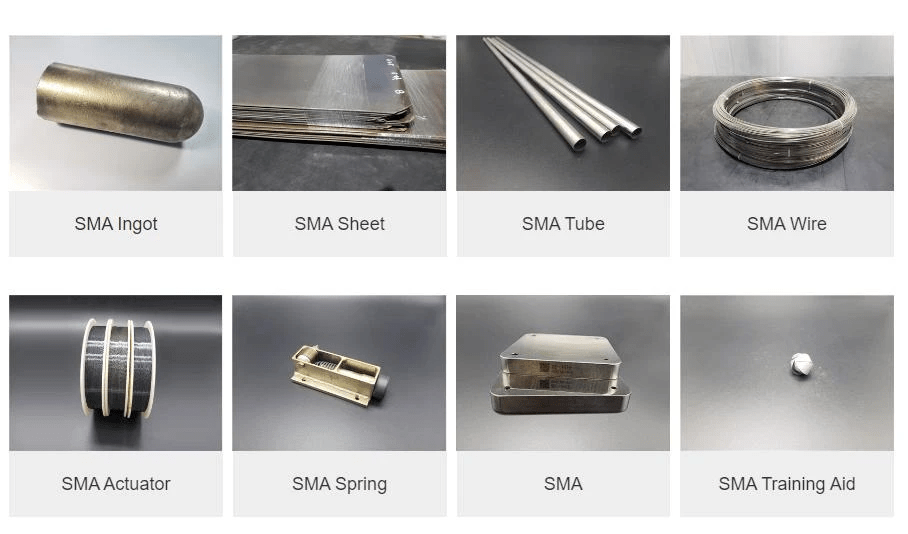
In conclusion, the future of shape memory alloy nitinol wire in various industries looks incredibly promising. With advancements in technology and an increasing understanding of this remarkable material, we can expect to see even more innovative applications that leverage its unique properties. From medicine to aerospace, the potential for shape memory alloys is boundless, and the evolution of nitinol wire will undoubtedly play a pivotal role in shaping our future.
The Future of Nitinol Wire in Industry
The trajectory for nitinol wire is set on an upward path, as industries continue to explore the exceptional capabilities of this shape memory alloy. As research progresses, we are likely to witness breakthroughs that enhance its functionalities, making it even more versatile across different applications. The integration of nitinol wire in cutting-edge technologies will not only improve existing products but also pave the way for entirely new innovations that were once thought impossible.
Benefits of Using Shape Memory Alloys
Shape memory alloys like nitinol wire offer a plethora of benefits that make them indispensable in modern engineering and design. Their ability to return to a predetermined shape after deformation ensures reliability and durability, particularly in critical applications such as medical devices and robotics. Additionally, the lightweight nature coupled with high strength makes these memory metals ideal for sectors ranging from aerospace to consumer electronics.
Why Choose GEE SMA for Nitinol Solutions
When it comes to sourcing high-quality shape memory alloy nitinol wire, GEE SMA stands out as a leader in the field. Our commitment to excellence ensures that every nickel alloy material meets rigorous standards for performance and safety while providing customization options tailored to your needs. By choosing GEE SMA for your nitinol solutions, you gain access to unparalleled expertise and innovative products designed to push the boundaries of what's possible with memory alloys.