

Introduction
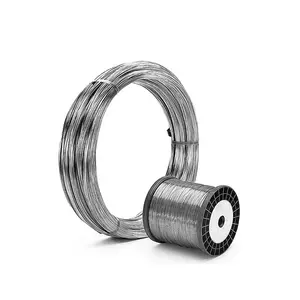
In the realm of advanced materials, Nitinol stands out as a fascinating example of innovation and versatility. Known for its remarkable nitinol tensile strength, this unique alloy combines nickel material with titanium to create a shape memory alloy that can return to its original form after deformation. Understanding the properties of Nitinol is essential for engineers and researchers alike, as it opens doors to numerous applications across various industries.
Understanding Nitinol and Its Strength
Nitinol's strength lies not only in its composition but also in its ability to undergo significant deformation while retaining impressive nitinol tensile strength. This property is primarily attributed to the specific ratio of nickel material and titanium used in its production, allowing it to exhibit unique mechanical behaviors under stress. As a shape memory alloy, Nitinol can remember its original shape, making it an invaluable resource in fields requiring precision and reliability.
The Significance of Tensile Strength in Engineering
Tensile strength plays a critical role in determining how materials perform under load, making it a key consideration for engineers when selecting materials for various applications. For Nitinol, high tensile strength means it can withstand significant forces without permanent deformation, ensuring durability and functionality even in challenging conditions. This characteristic is particularly important in industries such as aerospace and medical devices where safety and performance are paramount.
Exploring Nitinol's Unique Properties
What sets Nitinol apart from other metals are its unique properties that stem from its composition and structure as a shape memory metal. Notably, the ability to undergo phase transformations allows Nitinol to exhibit superelasticity at certain temperatures—an extraordinary feat among metallic materials. Coupled with effective nitinol heat treatment techniques, these properties enable engineers to tailor the performance of Nitinol for specific applications ranging from surgical tools to components used in space missions.
Nitinol: The Marvel of Shape Memory Alloys
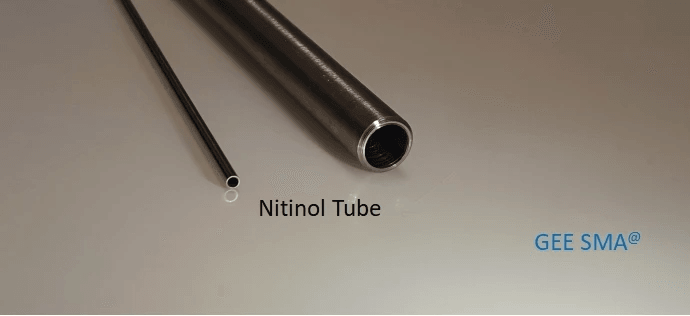
Nitinol, a remarkable alloy of nickel and titanium, is celebrated for its unique properties that make it stand out in the realm of shape memory metals. This fascinating material exhibits both superelasticity and shape memory effects, which are pivotal in various engineering applications. Understanding the composition and characteristics of nitinol is essential to appreciate its significance in modern technology.
Composition of Nitinol and Nickel Material
Nitinol consists primarily of nickel material and titanium, typically with a composition ranging from 50 to 60% nickel. This specific ratio contributes to its extraordinary nitinol tensile strength and flexibility, allowing it to undergo significant deformation without permanent damage. The precise balance between these two elements is crucial; even slight variations can dramatically alter the nitinol properties, affecting how it behaves under stress or heat.
What Makes Nitinol a Shape Memory Metal
What sets nitinol apart as a shape memory metal is its ability to return to a predetermined shape when subjected to specific thermal conditions. When heated above its transformation temperature, nitinol can remember its original form after being deformed, showcasing incredible resilience that few materials can match. This unique characteristic stems from the alloy's crystalline structure changes during heating and cooling cycles, making it an exciting subject for research into nitinol heat treatment techniques.
Real-World Applications of Nitinol
The real-world applications of nitinol are as diverse as they are impressive; this alloy has found a home in medical devices, robotics, aerospace engineering, and more. In the medical field alone, nitinol's properties allow for the creation of stents that expand within blood vessels or guidewires that navigate complex anatomical structures with ease—showcasing how vital this material is for advancing healthcare solutions. Beyond medicine, industries are leveraging nitinol’s unique strengths in everything from eyeglass frames that retain their shape to actuators in robotic systems that require reliable performance under varying conditions.
The Mechanics of Nitinol Tensile Strength
Nitinol, renowned for its remarkable shape memory properties, also boasts impressive tensile strength that significantly impacts its performance across various applications. Understanding how nitinol tensile strength influences its functionality is crucial for engineers and designers. The interplay between this unique strength and the material's ability to return to a predetermined shape after deformation makes it an invaluable asset in engineering, particularly in fields such as medicine and aerospace.
How Tensile Strength Affects Performance
The tensile strength of nitinol is a critical factor in determining how well it performs under stress. High tensile strength allows nitinol components to withstand significant forces without permanent deformation, making them ideal for applications requiring durability and resilience. In medical devices, for example, the ability of nitinol to maintain structural integrity while being subjected to bodily forces enhances patient safety and device effectiveness.
Moreover, the unique properties of shape memory alloys like nitinol enable them to revert to their original shapes when heated or subjected to specific conditions. This characteristic not only contributes to their performance but also opens up innovative design possibilities in various industries. As engineers continue to explore the potential of nitinol tensile strength, they unlock new avenues for creating efficient and reliable solutions.
Factors Influencing Nitinol Properties
Several factors influence the properties of nitinol, including its composition, processing methods, and heat treatment techniques. The ratio of nickel material to titanium plays a significant role in defining both the mechanical properties and thermal behavior of this shape memory alloy. Variations in these elements can lead to changes in transformation temperatures and tensile strength characteristics.
Furthermore, external factors such as temperature fluctuations and environmental conditions can also impact nitinol's performance over time. Engineers must carefully consider these variables when designing with nitinol to ensure optimal application outcomes. By understanding how these factors interplay with nitinol properties, developers can create more effective designs tailored for specific uses.
Nitinol Heat Treatment Techniques
Heat treatment is a pivotal process that enhances the mechanical properties of nitinol by altering its microstructure through controlled heating and cooling cycles. These techniques allow manufacturers to optimize the tensile strength of nitinol components while preserving their shape memory capabilities—an essential balance for many applications involving shape memory metals.
Common heat treatment methods include solution annealing followed by aging processes that refine grain structure and improve overall performance characteristics like fatigue resistance and elasticity. Mastering these heat treatment techniques not only maximizes the potential uses of nitinol but also ensures reliability in demanding environments such as medical devices or aerospace engineering projects where failure is not an option.
Nitinol in Medical Applications
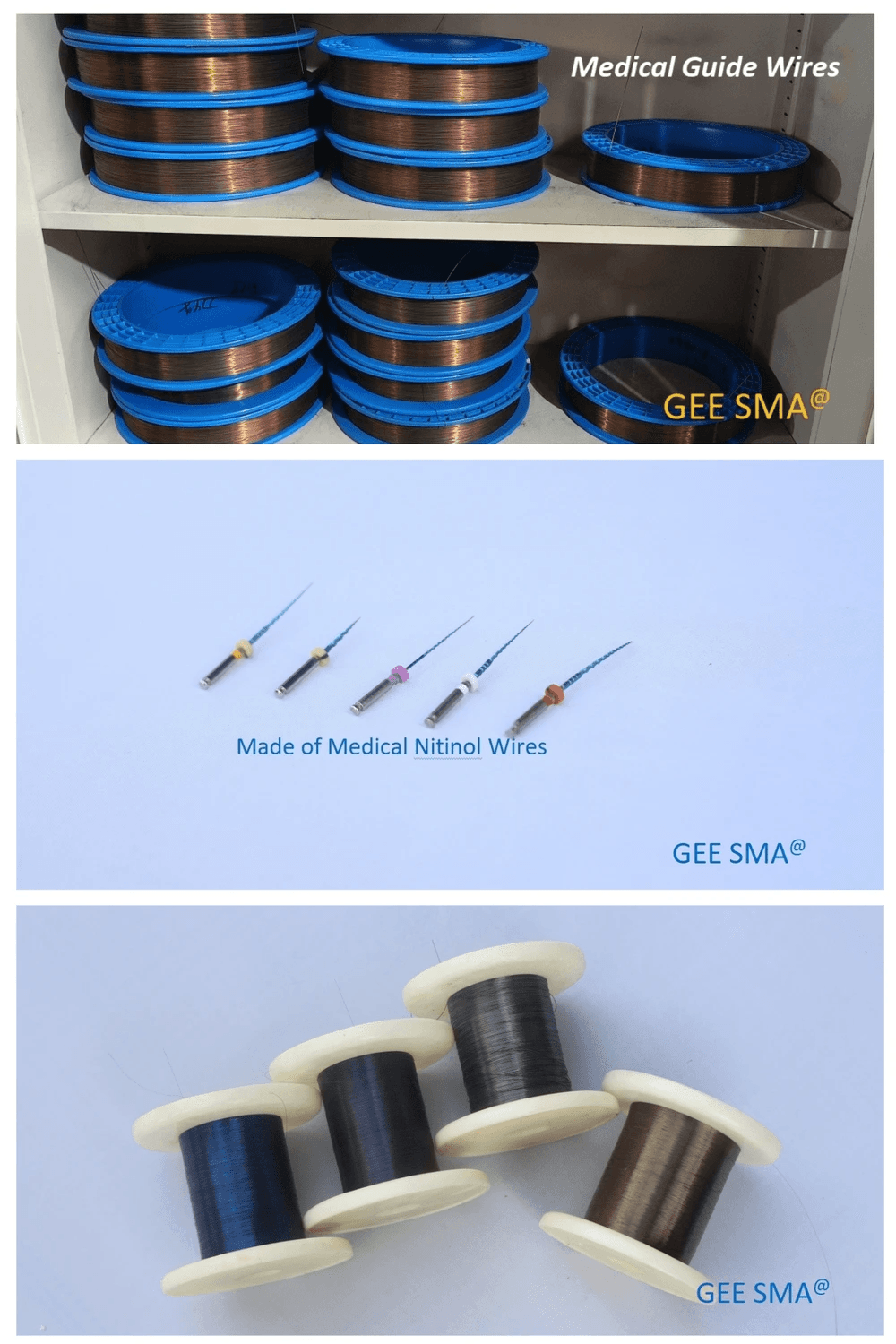
Nitinol has carved a niche for itself in the realm of medical devices, thanks to its remarkable properties as a shape memory alloy. This unique material, primarily composed of nickel and titanium, exhibits extraordinary flexibility and resilience, which are crucial for various medical applications. As the healthcare industry continually seeks innovative solutions, nitinol’s tensile strength and adaptability have made it a go-to choice for many advanced medical technologies.
The Role of Nitinol in Medical Devices
Nitinol's role in medical devices is pivotal; it serves as the backbone for many tools ranging from stents to guidewires. Its shape memory properties allow these devices to be inserted into the body in a compact form before expanding to their functional shape upon reaching body temperature. This capability not only enhances patient comfort but also significantly reduces the risk associated with surgical procedures, showcasing how nitinol properties can transform patient care.
Benefits of Nitinol's Properties in Surgery
The benefits of nitinol’s properties extend far beyond mere functionality; they also enhance surgical outcomes and recovery times. For instance, its flexibility allows surgeons to navigate complex anatomical structures with ease while maintaining precision during delicate procedures. Additionally, nitinol's excellent corrosion resistance ensures that implants remain safe and effective over time, making it an indispensable material in modern surgery.
Case Studies of Nitinol Medical Innovations
Several case studies highlight the successful application of nitinol in medical innovations that have changed lives for the better. For example, nitinol stents have revolutionized cardiovascular treatments by providing support to blood vessels without compromising blood flow or causing irritation. Another notable instance is its use in orthopedic applications where nitinol heat treatment processes enhance the material's performance under stress while ensuring optimal tensile strength during dynamic movements.
Nitinol's Impact on Aerospace Engineering

Nitinol, a remarkable shape memory alloy, is making waves in the aerospace industry due to its unique properties and impressive tensile strength. The combination of nickel material and titanium creates a lightweight yet robust solution that can withstand the harsh conditions of space missions. As engineers look for innovative materials that offer reliability and performance, nitinol's potential continues to shine.
Nitinol in Space Missions by GEE SMA
The Global Engineering Excellence in Shape Memory Alloys (GEE SMA) has harnessed nitinol's extraordinary capabilities for various space missions. By utilizing its shape memory properties, engineers can design components that adapt under extreme temperatures and pressures encountered during launch and re-entry. These innovations are not just theoretical; they have been successfully implemented in satellite deployment mechanisms where nitinol’s tensile strength allows for seamless operation despite fluctuating environmental conditions.
The Importance of Reliability in Extreme Conditions
In aerospace engineering, reliability is non-negotiable—especially when it comes to materials used in spacecraft and satellites. Nitinol’s exceptional tensile strength ensures that components maintain their integrity even when subjected to the rigors of space travel, such as intense vibrations and drastic thermal changes. This reliability translates into safer missions, reducing the risk of failure which could otherwise lead to catastrophic outcomes.
Future Prospects for Nitinol in Aerospace
Looking ahead, the future prospects for nitinol in aerospace applications are incredibly promising. Ongoing research into nitinol heat treatment techniques aims to enhance its properties further, allowing for even greater flexibility and resilience under stress. As advancements continue, we may see an influx of shape memory metals like nitinol becoming integral parts of next-generation spacecraft systems—ushering in a new era of innovation where durability meets adaptability.
Advancements and Challenges of Nitinol Technology

Nitinol technology is continuously evolving, driven by the need for improved performance and versatility in various applications. Innovations in production methods are crucial to enhancing the nitinol tensile strength and broadening its use across industries. As researchers and engineers delve deeper into the properties of this remarkable shape memory alloy, they uncover new possibilities that could redefine its applications.
Innovations in Nitinol Production
The production of nitinol has seen significant advancements, particularly with the refinement of nickel material used in its synthesis. New techniques such as advanced melting processes and controlled cooling have been developed to ensure a more uniform microstructure, which directly influences nitinol properties like tensile strength. Moreover, additive manufacturing is making waves, allowing for intricate designs that were previously impossible while maintaining the unique characteristics of this shape memory metal.
One particularly exciting innovation involves the integration of smart manufacturing technologies that allow for real-time monitoring during production. This ensures optimal conditions for achieving desired mechanical properties, including enhanced nitinol tensile strength. With these advancements, manufacturers can produce customized nitinol components tailored to specific applications ranging from medical devices to aerospace engineering.
Overcoming Limitations of Nitinol Tensile Strength
Despite its many advantages, one challenge that persists is the limitation of nitinol's tensile strength compared to traditional metals like titanium or stainless steel. Researchers are actively exploring ways to enhance this property through various means such as alloying with other elements or optimizing nitinol heat treatment processes. By fine-tuning these parameters, scientists aim to boost both the tensile strength and fatigue resistance of this unique shape memory alloy.
Additionally, understanding how temperature variations affect nitinol's performance is crucial for overcoming these limitations. The ability to manipulate phase transformations within nitinol can lead to improvements in its mechanical properties under different conditions. As innovations continue to emerge in material science, we may soon see breakthroughs that elevate nitinol’s standing among high-performance materials.
The Future Landscape of Shape Memory Alloys
Looking ahead, the future landscape of shape memory alloys like nitinol appears promising but not without challenges. Ongoing research aims at unlocking even more potential uses across diverse fields—from robotics with self-healing capabilities to innovative medical devices that adapt dynamically within the human body due to their unique properties. As industries recognize the benefits offered by these advanced materials, investment in research and development will likely accelerate.
Moreover, collaboration between academia and industry will play a pivotal role in driving forward innovations related to both production techniques and application development for shape memory metals like nitinol. With a focus on sustainability and efficiency alongside enhanced performance metrics such as tensile strength, we can expect a wave of new products designed around these remarkable materials soon enough.
Conclusion
Nitinol has truly carved a niche for itself in modern engineering, showcasing its remarkable versatility and strength. As a standout example of a shape memory alloy, nitinol's unique properties allow it to return to its original shape after deformation, making it invaluable across various applications. From medical devices to aerospace components, the role of nitinol is pivotal in pushing the boundaries of what is possible in engineering today.
Nitinol's Role in Modern Engineering
In today's fast-paced world, the importance of nitinol cannot be overstated; its tensile strength and flexibility are critical in designing innovative solutions that require both durability and adaptability. The nickel material used in nitinol contributes significantly to its exceptional performance under stress, allowing engineers to create lighter yet stronger components. This blend of strength and memory capabilities sets nitinol apart from traditional materials, making it an essential player in modern engineering projects.
The Future of Shape Memory Metals
The future looks bright for shape memory metals like nitinol as research continues to unlock new potential applications and enhance existing technologies. With advancements in nitinol heat treatment techniques, we can expect even greater improvements in its tensile strength and overall performance characteristics. As industries demand more efficient materials that can withstand extreme conditions while maintaining reliability, shape memory alloys will undoubtedly rise to meet these challenges head-on.
Advancements in Nitinol Applications
Recent advancements have spurred innovation across various sectors utilizing nitinol’s unique properties; from cutting-edge medical instruments to sophisticated aerospace technologies, the possibilities seem endless. Medical applications are particularly promising due to the biocompatibility and functional benefits offered by nitinol medical devices—think stents that adapt perfectly within blood vessels! As we continue exploring the vast landscape of nitinol applications, one thing remains clear: this remarkable alloy is just getting started on its journey toward transforming our world.