

Introduction
Nitinol, a fascinating alloy of nickel and titanium, is renowned for its unique properties that allow it to return to a predetermined shape when heated. This remarkable characteristic, known as the shape memory effect, makes nitinol a standout material in various applications, particularly in the medical field. Understanding how nitinol is made and its impressive capabilities opens doors to innovations that can transform industries.
What is Nitinol?
Nitinol is an acronym derived from Nickel and Titanium Naval Ordnance Laboratory, where it was first discovered in the 1960s. This nitinol alloy exhibits extraordinary qualities such as superelasticity and shape memory, which have made it invaluable across multiple sectors. The combination of nickel material and titanium creates an alloy that can undergo significant deformation yet revert to its original form with changes in temperature.
Importance of Nitinol in Modern Applications
The importance of nitinol in modern applications cannot be overstated; it plays a crucial role in creating advanced medical devices like stents and guidewires that save lives every day. Beyond healthcare, nitinol applications extend into robotics and aerospace innovations where reliability under stress is paramount. As industries continue to explore the potential of this unique material, understanding its properties becomes essential for harnessing its full capabilities.
Overview of Nitinol Production
To appreciate the significance of nitinol, one must first understand how it’s produced. The production process begins with careful selection of raw materials—primarily nickel and titanium—that are then melted together using specialized techniques to create a homogeneous alloy. Following this initial phase, casting and annealing methods refine the material further, ensuring that the desired nitinol properties are achieved for specific applications ranging from medical devices to consumer products.
The Science Behind Nitinol

Nitinol, a remarkable alloy of nickel and titanium, is a prime example of shape memory alloys (SMAs). These materials can return to a predetermined shape when subjected to specific temperatures. The science behind nitinol not only sheds light on its unique properties but also explains why it has become an essential component in various applications, particularly in the medical field.
Understanding Shape Memory Alloys
Shape memory alloys are materials that remember their original shapes and can revert to them when heated above a certain temperature. This phenomenon is known as the shape memory effect, which allows nitinol to be used in applications where precision and adaptability are crucial. The ability of nitinol to change shapes based on temperature makes it an ideal candidate for innovations in nitinol medical devices and other high-tech applications.
The shape memory of nitinol is attributed to its unique crystalline structure, which transforms between two different phases: the austenite phase at higher temperatures and the martensite phase at lower temperatures. When cooled, nitinol can be easily deformed into various shapes; upon heating, it returns to its original form. This fascinating property not only enhances functionality but also opens doors for diverse nitinol applications across multiple industries.
The Role of Nickel and Titanium
Nickel and titanium play pivotal roles in determining the properties of nitinol alloy. The combination of these two metals results in an impressive balance between strength and flexibility, making it suitable for demanding environments like those found in aerospace or medical fields. Specifically, nickel contributes corrosion resistance while titanium ensures lightweight durability—two critical factors for any successful material intended for use in advanced technologies.
The precise ratio of nickel material to titanium affects the transformation temperatures that define how well the alloy performs under different conditions. By adjusting this ratio during production, manufacturers can tailor the properties of nitinol according to specific application requirements—whether it's enhancing flexibility or increasing strength for surgical instruments or robotic components. This adaptability is one reason why understanding how is nitinol made is essential for engineers seeking innovative solutions.
Transformation Temperature Explained
The transformation temperature is a key concept when discussing how nitinol works; it determines at what point the alloy will switch between its two distinct phases—martensite and austenite. Generally speaking, this temperature range can vary based on composition but typically falls between 0°C (32°F) and 100°C (212°F). Understanding this aspect enables manufacturers to customize nitinol properties for particular uses; for instance, lower transformation temperatures may be ideal for delicate medical devices requiring precise operation at body temperature.
In practical terms, this means that when exposed to heat beyond its transformation threshold, a deformed piece of nitinol will spring back into its original form with remarkable speed and efficiency—a feature that has revolutionized many industries including robotics where nimble movements are essential. Moreover, knowing how these transformation temperatures affect performance helps engineers design better products tailored specifically toward niche markets like aerospace or advanced consumer products utilizing nitinol's unique capabilities.
The Nitinol Manufacturing Process
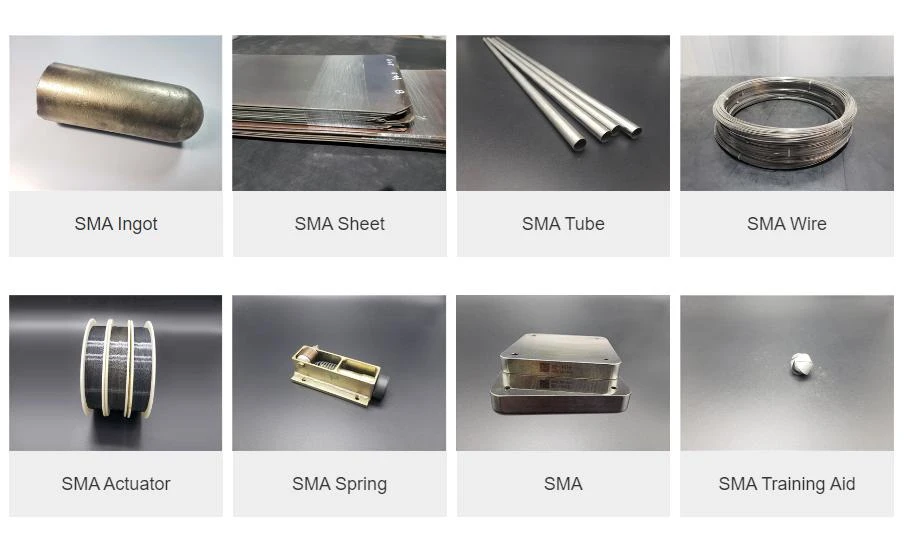
The manufacturing process of Nitinol is a fascinating journey that transforms raw materials into a remarkable alloy known for its unique properties, particularly its shape memory capabilities. Understanding how Nitinol is made involves several critical steps, each contributing to the final product's performance in various applications, from medical devices to aerospace innovations. In this section, we will explore the key stages: raw material selection, melting and alloying techniques, and casting and annealing methods.
Raw Material Selection
The first step in producing Nitinol is the careful selection of raw materials—primarily nickel and titanium. Nickel material serves as one half of the alloy's composition, while titanium provides strength and resilience. Choosing high-purity nickel is crucial because impurities can significantly affect the nitinol properties and its ability to exhibit shape memory characteristics.
Additionally, the ratio of nickel to titanium can be adjusted to tailor the transformation temperature of nitinol alloys for specific applications. For instance, a typical composition might consist of 50-55% nickel and 45-50% titanium; however, variations exist depending on desired performance metrics such as elasticity or thermal response. This meticulous selection process ensures that manufacturers create a robust base for producing high-quality nitinol suitable for diverse uses.
Melting and Alloying Techniques
Once the raw materials are selected, they undergo melting and alloying processes that are vital in forming homogenous nitinol alloys. The melting technique often involves vacuum induction melting (VIM) or argon arc melting (AAM), which helps prevent contamination during heating—essential for maintaining optimal nitinol properties. These techniques allow precise control over temperature and atmosphere during melting, ensuring a consistent alloy composition.
After melting, the molten metal is carefully mixed to achieve uniformity before being cast into molds or forms that will dictate its final shape. The cooling rate during solidification plays an important role in determining the microstructure of the nitinol alloy; faster cooling can lead to different mechanical properties compared to slower rates. Properly executed melting and alloying techniques set the stage for creating high-performance nitinol with reliable shape memory effects.
Casting and Annealing Methods
The next phase in how Nitinol is made involves casting followed by annealing—two processes critical to achieving desirable mechanical properties in finished products like nitinol medical devices or aerospace components. Casting methods may include investment casting or continuous casting depending on production needs; these methods help form intricate shapes while minimizing defects within the material.
After casting, annealing treatments are performed at specific temperatures to relieve stresses induced during solidification while also refining grain structures within the alloy—this step enhances both strength and ductility essential for applications relying on nitinol’s unique attributes. The controlled heating allows manufacturers to optimize transformation temperatures further—a key factor influencing how effectively nitinol exhibits its remarkable shape memory capability when subjected to thermal changes.
In summary, understanding these manufacturing processes provides insight into why Nitinol has become an indispensable material across various industries due to its versatility derived from exceptional processing techniques tailored specifically around nickel-titanium interactions.
GEE SMA’s Role in Nitinol Production

When it comes to the production of nitinol, GEE SMA stands out as a leader in the field. Their commitment to quality and innovation ensures that every nitinol alloy produced meets the highest standards. By focusing on advanced techniques and rigorous testing, GEE SMA guarantees that their nitinol properties are second to none, making them a trusted source for various industries.
Commitment to Quality and Innovation
At GEE SMA, quality isn’t just a buzzword; it’s a cornerstone of their operations. They employ state-of-the-art technology to ensure that each batch of nickel material used in their nitinol production is meticulously sourced and processed. This dedication not only enhances the shape memory of nitinol but also leads to superior performance in applications ranging from medical devices to aerospace innovations.
Innovation is equally pivotal at GEE SMA, where they continuously explore new methodologies for producing nitinol alloys. By investing in research and development, they stay ahead of industry trends and maintain their competitive edge. This forward-thinking approach allows them to refine how nitinol is made, ensuring that they meet the evolving needs of diverse sectors.
Custom Solutions for Diverse Industries
One size does not fit all when it comes to nitinol applications; that's why GEE SMA offers tailored solutions for various industries. Whether it's creating specialized medical devices or components for cutting-edge robotics, they understand that each application requires unique specifications based on its intended use. Their expertise in customizing nitinol alloys ensures clients receive products perfectly suited for their specific needs.
GEE SMA's flexibility also extends beyond traditional markets; they actively engage with emerging sectors looking to utilize the remarkable properties of nitinol. For instance, industries involved in renewable energy are increasingly interested in how this shape memory alloy can contribute innovative solutions. By collaborating closely with clients, GEE SMA fosters partnerships that drive technological advancements across multiple fields.
Success Stories: Nitinol in Space Exploration
The journey of nitinol doesn't stop at earthbound applications; its role in space exploration is nothing short of remarkable! One notable success story involves using nitinol actuators on satellites where weight reduction without sacrificing functionality is crucial. These innovative components leverage the unique shape memory properties of nitinol to perform critical tasks under extreme conditions—proving just how versatile this alloy can be.
Another exciting application includes deploying nitinol springs within spacecraft mechanisms designed for deployment and stabilization purposes during missions beyond our atmosphere. The ability of these springs to return to their original shape after deformation significantly enhances reliability—an essential factor when dealing with space's unforgiving environment! Through such pioneering projects, GEE SMA showcases how effectively engineered nitinol alloys can contribute significantly to technological advancements beyond our planet.
Applications of Nitinol
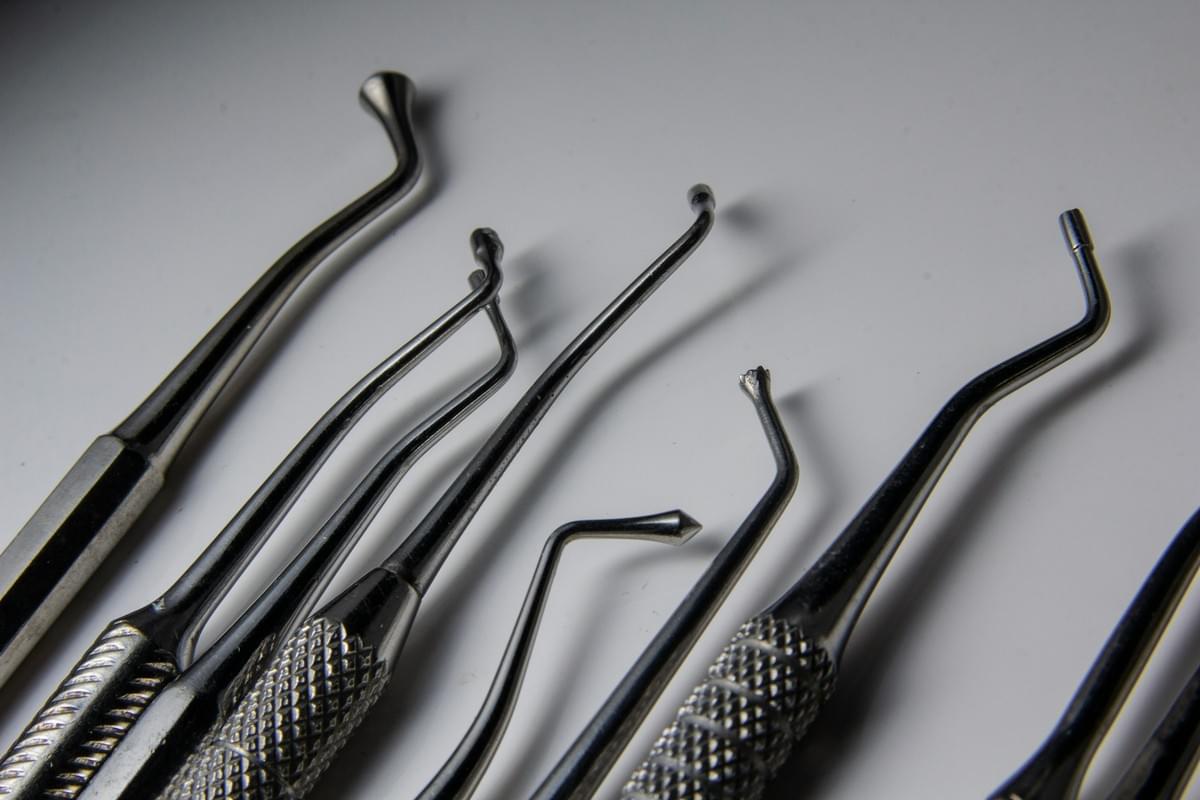
Nitinol, with its unique properties, has carved a niche across various industries. From medical devices to consumer products, the applications of this remarkable nitinol alloy are diverse and innovative. Understanding how is nitinol made and its specific applications can provide insights into its importance in modern technology.
Medical Devices and Surgical Tools
The medical field has seen a revolution thanks to nitinol's shape memory characteristics. Nitinol medical devices, such as stents and guidewires, leverage the alloy's ability to return to a predetermined shape when heated, making them incredibly effective in minimally invasive surgeries. The nitinol properties enhance flexibility and biocompatibility, which are crucial for surgical tools that interact directly with human tissue.
Moreover, the unique transformation temperature of nitinol allows these devices to expand or contract at body temperature, offering precise control during procedures. This adaptability not only improves patient outcomes but also reduces recovery times significantly. As healthcare continues to advance towards more personalized solutions, the demand for innovative nitinol applications in surgical tools is likely to grow.
Robotics and Aerospace Innovations
In robotics and aerospace sectors, the lightweight nature of nitinol combined with its strength makes it an ideal material for various components. Engineers are increasingly utilizing this nickel material to create actuators that mimic human muscle movement due to their efficient shape memory capabilities. The ability of nitinol alloys to recover their original shape under different conditions opens up new possibilities for robotic design.
Additionally, aerospace innovations benefit from the durability of nitinol in extreme environments where traditional materials might fail. Components made from this alloy can withstand high stress while maintaining functionality, making them invaluable in aircraft systems and space exploration missions. As industries seek more efficient solutions, understanding how is nitinol made becomes essential for leveraging its potential in cutting-edge projects.
Consumer Products Utilizing Nitinol
Nitinol's unique properties have also found their way into everyday consumer products that enhance convenience and functionality. From eyeglass frames that return to their original shape after bending to smart appliances that adjust based on user preferences, the applications are both practical and innovative. These products showcase how versatile the shape memory of nitinol can be beyond industrial uses.
Furthermore, as sustainability becomes a priority for consumers worldwide, manufacturers are exploring eco-friendly designs using this alloy due to its longevity and resilience compared to conventional materials. With growing awareness about product lifecycles and environmental impact, incorporating nitinol into consumer goods represents a forward-thinking approach aligned with modern values. Ultimately, understanding how is nitinol made helps consumers appreciate the advanced technology behind these everyday items.
Future Trends in Nitinol Development

The future of Nitinol development is as dynamic and promising as the material itself. With ongoing research and technological advancements, the potential applications of this remarkable alloy are expanding rapidly. As industries continue to explore the unique properties of Nitinol, there is a growing emphasis on its versatility, efficiency, and sustainability.
Research and Advancements in Material Science
Researchers are delving deeper into how Nitinol is made, focusing on refining the production processes to enhance its properties further. Innovations in alloy compositions are being explored to improve the shape memory of Nitinol, allowing for even more precise applications across various sectors. Breakthroughs in material science could lead to new types of nitinol alloys that offer enhanced performance characteristics for medical devices and beyond.
Additionally, understanding the nickel material's role within these alloys opens up avenues for creating more efficient manufacturing methods. The ongoing study of nitinol properties enables scientists to tailor these materials for specific uses, such as creating more responsive actuators or better-performing surgical tools. As this research progresses, we can expect a surge in innovative solutions harnessing the unique capabilities of Nitinol.
Emerging Markets and Applications
As industries recognize the benefits of nitinol applications, new markets are emerging that leverage its unique features. For instance, sectors like robotics are increasingly incorporating nitinol shape memory components to create lightweight yet strong mechanisms that mimic natural movements. This trend is also evident in aerospace innovations where reducing weight while maintaining strength is critical; here, nitinol alloys play a pivotal role.
Moreover, developments in consumer products utilizing Nitinol demonstrate its versatility beyond traditional applications. From eyeglass frames that return to their original shape after bending to self-healing materials used in packaging solutions—Nitinol’s adaptability presents exciting opportunities across various fields. As these emerging markets grow, they will undoubtedly influence future trends in design and functionality.
Sustainability in Nitinol Production
Sustainability has become a crucial consideration in how nitinol is made today; manufacturers are increasingly adopting eco-friendly practices throughout production processes. By optimizing raw material selection and minimizing waste during melting and alloying techniques, companies can reduce their environmental footprint while maintaining high-quality standards for nitinol medical devices and other applications.
Furthermore, advancements aimed at recycling nickel material from used products will contribute significantly to sustainable practices within the industry. This commitment not only addresses environmental concerns but also aligns with global efforts towards responsible sourcing and manufacturing processes—an essential factor as consumers become more eco-conscious about product origins.
In conclusion, it's clear that future trends surrounding Nitinol development will be shaped by ongoing research efforts focused on enhancing its properties while promoting sustainability within production methods. As new markets emerge with innovative applications leveraging this extraordinary alloy's capabilities—whether through medical devices or consumer goods—the potential impact on both industry standards and environmental stewardship will be profound.
Conclusion
Nitinol, a remarkable alloy of nickel and titanium, boasts unique properties that have revolutionized various industries. Its ability to remember shapes and return to a predetermined form when exposed to specific temperatures is at the core of its appeal. This shape memory of nitinol has paved the way for innovative applications, particularly in the medical field.
Recap of Nitinol’s Unique Properties
The nitinol properties that set it apart include its exceptional flexibility and strength, making it ideal for demanding applications. The combination of nickel material and titanium results in an alloy that can undergo significant deformation without permanent changes. Furthermore, the transformation temperature is crucial; it allows nitinol to transition between its two distinct phases—martensite and austenite—enabling its shape memory capabilities.
GEE SMA’s Impact on Nitinol Technology
GEE SMA has played an instrumental role in advancing nitinol technology through a commitment to quality and innovation. Their expertise in how is nitinol made ensures that they produce high-grade nitinol alloys tailored to the needs of diverse industries, from medical devices to aerospace applications. By providing custom solutions, GEE SMA has positioned itself as a leader in exploiting the unique benefits of nitinol shape memory for real-world challenges.
Why Understanding Nitinol Matters for Industry
Understanding how is nitinol made and its wide-ranging applications is vital for industries looking to leverage cutting-edge materials for competitive advantage. The versatility of nitinol alloys extends beyond medical devices; they are finding their way into robotics and consumer products as well. As we continue to explore new frontiers in material science, recognizing the potential of nitinol will be essential for driving innovation across multiple sectors.