

Introduction
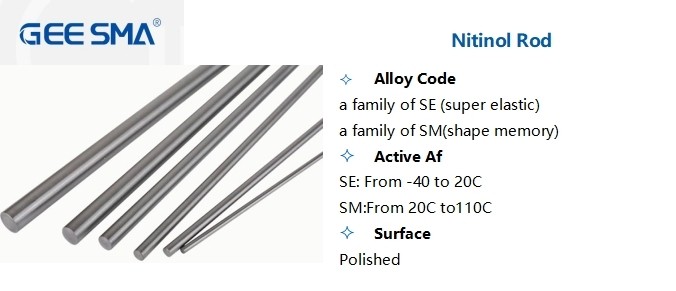
Welcome to the fascinating world of Nitinol, a unique shape memory alloy that has captivated industries with its remarkable properties and diverse applications. This extraordinary memory material can return to its original shape after deformation, making it a go-to choice in various fields such as medical devices, aerospace, and automotive engineering. Understanding Nitinol's capabilities and applications is crucial for anyone looking to harness the benefits of this innovative material.
Understanding Nitinol and Its Applications
Nitinol, a portmanteau of Nickel and Titanium, is a type of shape memory alloy renowned for its ability to remember specific shapes when subjected to temperature changes. The science behind this fascinating behavior lies in the unique microstructure of Nitinol wire and alloy, which allows it to undergo phase transformations that result in significant mechanical advantages. Industries are increasingly adopting shape memory materials like Nitinol for applications ranging from self-expanding stents in healthcare to actuators in robotics.
Why Price Matters for Nitinol Springs
The cost of these specialized components can vary significantly based on factors such as material quality, manufacturing processes, and market demand—each playing a pivotal role in determining the final price point. For businesses relying on nitinol alloy products, staying informed about pricing trends ensures they can make strategic decisions without compromising on quality or performance.
Overview of Leading Suppliers and Manufacturers
Navigating the landscape of suppliers for SMA nitinol springs can be overwhelming given the number of players vying for attention in this niche market. Leading manufacturers like GEE SMA, Johnson Matthey, and Fort Wayne Metals have established themselves as pioneers by offering innovative solutions tailored to specific industry needs. By evaluating these top suppliers' offerings—ranging from custom designs to exceptional customer support—you can better position your projects for success while ensuring you get the best value for your investment.
What is Nitinol?
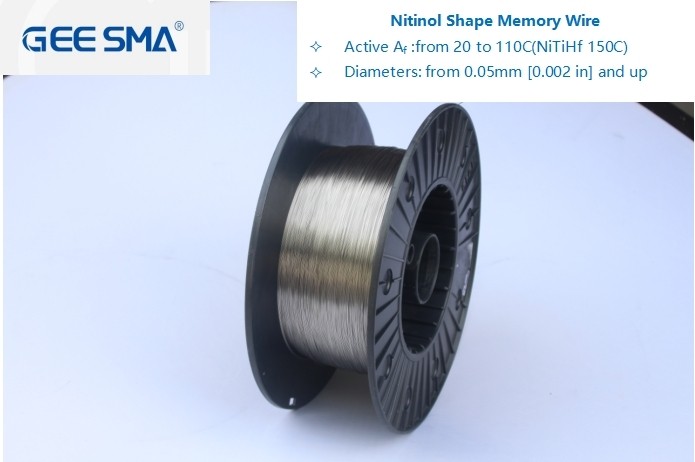
Nitinol, a fascinating type of shape memory alloy (SMA), has captured the attention of various industries due to its unique properties and versatile applications. Composed primarily of nickel and titanium, this remarkable memory material can return to a predetermined shape when heated above a specific temperature. Its ability to remember shapes makes nitinol wire an invaluable asset in fields ranging from medical devices to aerospace engineering.
The Science Behind Shape Memory Alloys
The science behind shape memory alloys like nitinol is rooted in their unique crystalline structure, which allows them to undergo phase transformations. When cooled below a certain temperature, the nitinol alloy adopts a martensitic phase, which is flexible and easily deformed. Upon heating, the material transitions to its austenitic phase, regaining its original shape—a phenomenon that showcases the incredible potential of SMA nitinol in practical applications.
This transformation process occurs at specific temperatures that can be tailored during manufacturing, allowing for customization based on end-user requirements. This adaptability makes nitinol an outstanding choice for various applications where precise movements or configurations are necessary. Whether it's in surgical instruments or actuators, understanding the science of shape memory materials opens up endless possibilities.
Properties of Nitinol Wire and Alloy
Nitinol wire boasts several remarkable properties that set it apart from other materials. One of its key characteristics is superelasticity; when subjected to stress within certain limits, it can deform significantly without permanent damage—an attribute that's particularly useful in dynamic environments like medical implants or automotive components. Additionally, nitinol exhibits excellent corrosion resistance and biocompatibility, making it ideal for use in healthcare settings.
Another property worth noting is its lightweight nature compared to traditional metals while still maintaining impressive strength levels. This combination of strength-to-weight ratio allows for innovative designs that are both efficient and effective across various industries. As more manufacturers explore the potential of nitinol alloys, understanding these properties becomes crucial for harnessing their full capabilities.
Applications of Shape Memory Materials
The applications of shape memory materials like SMA nitinol are as diverse as they are innovative. In the medical field, nitinol springs are widely used in stents and guidewires due to their ability to expand upon heating—allowing minimally invasive procedures with maximum efficacy. Beyond healthcare, industries such as aerospace utilize these materials for actuators that require reliable performance under extreme conditions.
Automotive manufacturers have also started integrating nitinol into designs where weight reduction without compromising functionality is essential—think about seatbelt retractors or active suspension systems! With ongoing research into new uses for this extraordinary alloy, including robotics and consumer electronics, it's clear that the future holds exciting developments for shape memory wire technology.
Factors Influencing Nitinol Spring Pricing
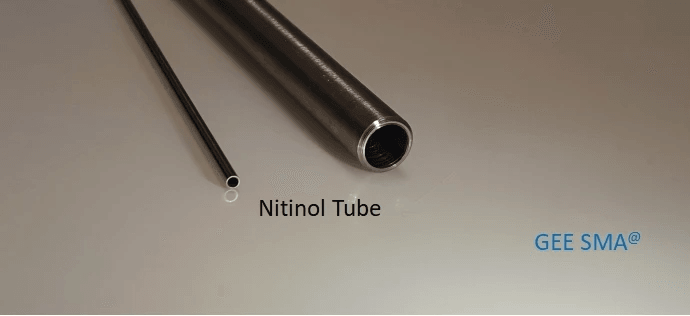
Understanding these elements can help manufacturers and buyers alike navigate the complex landscape of shape memory alloy (SMA) materials. From material quality to market dynamics, each factor contributes significantly to the final cost of nitinol products.
Material Quality and Sourcing
The quality of nitinol wire is paramount in determining its price. High-grade materials sourced from reputable suppliers ensure that the resulting shape memory alloy exhibits superior performance characteristics, such as excellent fatigue resistance and reliable shape recovery. Furthermore, sourcing practices that prioritize ethical and sustainable methods can also influence costs, as premium suppliers may charge more for their responsibly sourced nitinol alloy.
Another aspect to consider is the composition of the memory material itself; variations in nickel-titanium ratios can lead to different mechanical properties, affecting both functionality and price. Manufacturers often seek out high-quality nitinol wire that meets stringent industry standards, which can drive up expenses but ultimately results in a more reliable product. Thus, investing in quality materials not only impacts pricing but also enhances overall product performance.
Manufacturing Processes and Technology
The manufacturing processes used for producing nitinol springs are another significant factor influencing their pricing. Advanced techniques such as precision machining or specialized heat treatments can add value but also increase costs due to higher labor intensity and equipment investment. Additionally, adopting cutting-edge technology for shaping and forming shape memory wire allows manufacturers to create intricate designs that enhance performance but may come at a premium price point.
Moreover, economies of scale play a crucial role; larger production runs often lead to reduced per-unit costs due to streamlined processes and bulk sourcing discounts on raw materials like nitinol alloy. However, smaller-scale operations might struggle with higher prices due to limited production capacity or less efficient manufacturing methods. Therefore, understanding the intricacies of manufacturing technology is essential for anyone looking into the finer details of Nitinol spring pricing.
Market Demand and Competition
Market demand for SMA nitinol has surged in recent years across various industries including medical devices, aerospace, and automotive applications—each with unique requirements for shape memory materials. As demand increases, so does competition among suppliers which can lead to fluctuating prices based on availability and innovation within the sector. Companies that invest in research and development often gain an edge over competitors by offering new features or enhanced capabilities within their nitinol products.
Conversely, an oversupply situation could drive prices down temporarily as manufacturers vie for market share; however this trend is typically short-lived if demand remains consistent or grows again rapidly thereafter. Understanding these market dynamics is crucial when considering investments in Nitinol springs since they directly correlate with cost fluctuations over time. By keeping an eye on industry trends related to supply chain stability and technological advancements within shape memory alloys, stakeholders can make informed decisions regarding purchasing strategies.
Leading Manufacturers of Nitinol Springs
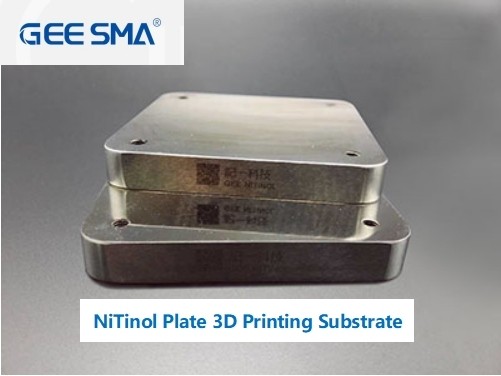
When it comes to the world of Nitinol springs, a few manufacturers stand out as leaders in innovation and quality. These companies not only produce high-quality shape memory alloys but also push the boundaries of what is possible with memory materials. Let's take a closer look at three prominent players in the industry: GEE SMA, Johnson Matthey, and Fort Wayne Metals.
GEE SMA: A Pioneer in Nitinol Production
GEE SMA has established itself as a pioneer in the production of SMA nitinol, offering a diverse range of shape memory wire and alloy solutions. Their commitment to quality is evident through their stringent manufacturing processes that ensure only the best nitinol wire reaches customers. With years of experience in developing shape memory materials, GEE SMA continues to innovate and expand its product offerings for various applications.
Notably, GEE SMA's expertise lies not just in producing standard nitinol products but also in customizing solutions to meet specific client needs. This flexibility has made them a go-to supplier for industries requiring specialized shape memory applications. Their dedication to customer satisfaction further solidifies their reputation as a leader in the nitinol market.
Johnson Matthey: Innovating Shape Memory Alloys
With an impressive portfolio that includes advanced materials for medical devices and automotive applications, they are at the forefront of shaping future technologies using this remarkable alloy. Their research and development efforts have led to breakthroughs that enhance both performance and reliability of nitinol springs.
The company’s focus on sustainability also sets it apart from competitors; they strive to create eco-friendly manufacturing processes while maintaining high standards for quality control on their nitinol wire products. Johnson Matthey's commitment to pushing boundaries ensures that their offerings remain relevant in an ever-evolving market landscape filled with new challenges and opportunities for shape memory materials.
Fort Wayne Metals: Custom Nitinol Solutions
Fort Wayne Metals specializes in providing custom solutions tailored specifically for clients needing unique applications of nitinol alloy and wire products. With state-of-the-art technology and expert craftsmanship, they produce high-performance shape memory components suitable for various industries including medical, aerospace, and automotive sectors. Their extensive knowledge allows them not only to manufacture standard products but also to innovate new designs based on client specifications.
What sets Fort Wayne Metals apart is their ability to offer comprehensive support throughout the entire production process—from initial design concepts through final delivery—ensuring that customers receive exactly what they need without compromising on quality or performance standards associated with sma nitinol products. This level of customization combined with exceptional customer service makes them a preferred choice among those seeking reliable partners for nitinol spring solutions.
How to Choose the Right Supplier

When selecting a supplier for your Nitinol springs, it’s crucial to consider several factors that can significantly impact your project's success. The right supplier not only provides quality products but also understands the unique needs associated with shape memory alloys (SMA). Whether you're sourcing nitinol wire, nitinol alloy, or other shape memory materials, the following criteria will help you make an informed decision.
Evaluating Supplier Reputation
The reputation of a supplier in the Nitinol industry can tell you a lot about their reliability and product quality. Look for manufacturers known for their excellence in producing shape memory wire and other shape memory materials. Online reviews, testimonials from previous clients, and industry certifications are great indicators of a supplier's standing in the market.
Additionally, consider how long they have been in business and whether they specialize in SMA Nitinol products. A well-established company often has a proven track record of delivering high-quality nitinol springs that meet strict industry standards. Don’t hesitate to ask for references or case studies showcasing their experience with similar projects.
Importance of Customization Options
Customization is key when it comes to sourcing Nitinol springs that fit your specific application requirements. Not all applications are created equal; therefore, having access to customizable options allows you to tailor the properties of your nitinol alloy or wire according to your needs. Some suppliers offer various dimensions, shapes, and performance characteristics that can enhance functionality in medical devices or aerospace applications.
A good supplier should be able to work closely with you to understand your project goals and provide tailored solutions using their expertise in shape memory materials. This level of customization not only ensures compatibility but also maximizes the effectiveness of the final product—whether it's a complex medical device or an innovative automotive component.
Assessing Customer Support and Service
Customer support is often an overlooked aspect when choosing a supplier for SMA Nitinol products but is essential for ensuring smooth operations throughout your project lifecycle. A responsive customer service team can provide valuable insights into product specifications and help troubleshoot issues as they arise during production or installation phases.
Look for suppliers who offer comprehensive support services such as technical assistance, rapid prototyping capabilities, and after-sales service related specifically to Nitinol springs and other shape memory materials. The best partnerships are built on communication; thus having access to knowledgeable representatives who understand both nitinol alloy applications and customer needs is invaluable.
Applications of Nitinol Springs in Industries
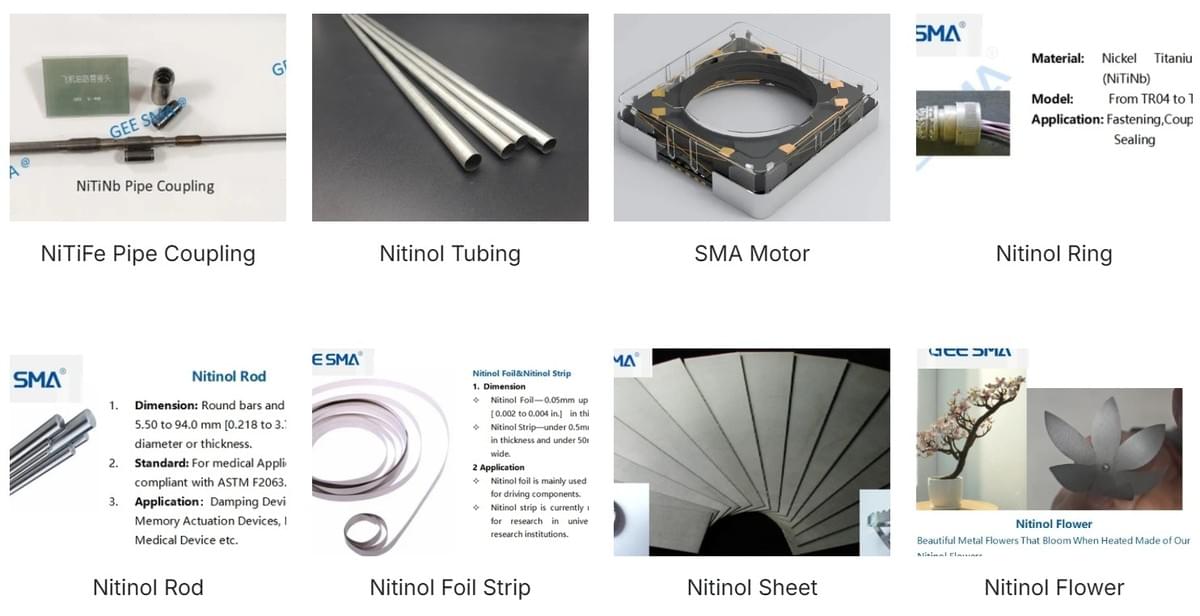
Nitinol springs, with their unique shape memory alloy (SMA) properties, have carved out a niche across various industries. Their ability to return to a predetermined shape when heated makes them invaluable in applications requiring precision and reliability. Let's explore how these remarkable nitinol alloys are transforming sectors like healthcare, aerospace, and automotive.
Medical Device Innovations
In the medical field, SMA nitinol is revolutionizing device design and functionality. Nitinol wire is commonly used in stents, guidewires, and various surgical instruments due to its biocompatibility and flexibility. The shape memory characteristics of nitinol allow devices to adapt seamlessly within the human body, providing enhanced patient outcomes.
Moreover, the use of nitinol springs in minimally invasive surgeries has led to reduced recovery times and improved surgical precision. As medical technology advances, the demand for innovative shape memory materials like nitinol will continue to grow. This trend underscores the importance of reliable suppliers who can deliver high-quality nitinol wire tailored for specific medical applications.
Aerospace and Defense Uses
The aerospace industry has embraced SMA nitinol for its lightweight yet robust properties that enhance performance without adding significant weight. Nitinol alloys are employed in actuators and control systems where precise movements are crucial for aircraft stability and maneuverability. Their ability to withstand extreme temperatures makes them ideal candidates for high-performance applications in both military and commercial aviation.
In defense applications, nitinol's unique characteristics enable the development of advanced systems that require minimal maintenance while ensuring maximum reliability under stress conditions. As innovations continue within this sector, we can expect even more creative uses for shape memory materials like SMA nitinol in future aerospace designs. The ongoing exploration into new manufacturing techniques will further enhance these applications' efficiency and effectiveness.
Automotive Applications of Nitinol Alloy
The automotive industry is also tapping into the potential of SMA nitinol springs for innovative solutions that enhance vehicle performance and safety features. From active suspension systems that adjust based on road conditions to advanced locking mechanisms in doors or hoods, the versatility of nitinol alloy is impressive. These applications not only improve user experience but also contribute to overall vehicle efficiency by reducing weight.
Additionally, as electric vehicles gain traction worldwide, incorporating lightweight materials like shape memory wire will be pivotal for maximizing battery life through better energy management systems. The adaptability of shape memory materials allows automakers to create components that respond dynamically under different driving conditions or user inputs—an exciting prospect as we move toward smarter transportation solutions.
Conclusion
In the world of advanced materials, Nitinol stands out as a remarkable shape memory alloy with a plethora of applications. Understanding the pricing dynamics of Nitinol springs is crucial for industries leveraging this innovative memory material. By grasping the factors that affect costs, businesses can make informed decisions when sourcing Nitinol wire and related products.
Key Takeaways on Nitinol Prices
When it comes to SMA Nitinol, price is influenced by several key factors including material quality, manufacturing processes, and market demand. The intricate nature of shape memory alloys means that variations in production can lead to significant price fluctuations. Ultimately, staying informed about these trends can help companies secure competitive rates for their nitinol alloy needs.
The Importance of Quality and Reliability
Quality and reliability are paramount when dealing with shape memory materials like Nitinol springs. A subpar product not only jeopardizes performance but can also lead to costly failures in critical applications such as medical devices or aerospace components. Therefore, prioritizing reputable suppliers who emphasize high-quality nitinol wire ensures that end-users receive dependable products tailored to their unique requirements.
Future Trends in Nitinol Spring Manufacturing
The future of Nitinol spring manufacturing looks promising, with ongoing innovations poised to enhance the capabilities of shape memory alloys. As industries continue to explore new applications for SMA nitinol—ranging from healthcare advancements to automotive engineering—the demand for customized solutions will likely surge. Moreover, advancements in production technologies may drive down costs while improving quality, making this fascinating memory material even more accessible for various sectors.