

Introduction
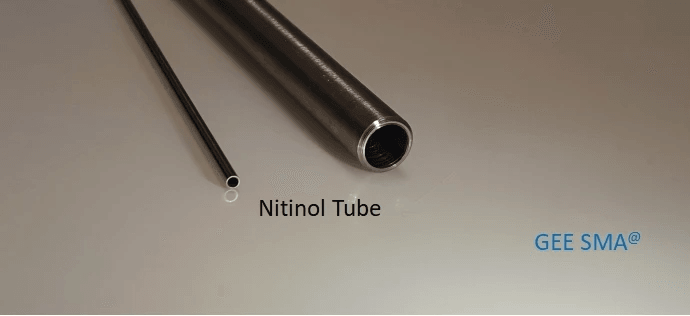
Nitinol, a remarkable alloy of nickel and titanium, has gained significant attention due to its unique properties and diverse applications. This shape memory alloy is not just a scientific curiosity; it plays a crucial role in various industries, particularly in the medical field where Nitinol wire is utilized for stents and guidewires. Understanding Nitinol's composition and its mechanical properties is essential for leveraging its capabilities effectively.
Understanding Nitinol and Its Applications
The Nitinol datasheet reveals critical insights into the material properties that make this alloy so valuable. With a density of approximately 6,450 kg/m³, Nitinol exhibits excellent strength-to-weight ratios, making it ideal for applications requiring lightweight yet durable materials. Beyond medicine, Nitinol finds uses in robotics, automotive components, and even aerospace technology due to its unique ability to return to a predetermined shape when heated.
Overview of ASTM F2516 Standards
To ensure the reliability of Nitinol products, adherence to ASTM F2516 standards is paramount. This set of guidelines provides comprehensive protocols for evaluating the mechanical properties of Nitinol under tension testing conditions. Compliance with these standards not only enhances product quality but also fosters trust among manufacturers and end-users regarding the performance of their devices.
Importance of Tension Testing Nitinol
Tension testing is crucial for assessing how well Nitinol can withstand stress during operation—an essential factor in high-stakes environments like medical devices or aerospace applications. By understanding how factors like temperature affect the mechanical properties of Nitinol wire, engineers can better predict performance outcomes in real-world scenarios. Ultimately, rigorous tension testing ensures that innovations like SE508 Nitinol meet safety and efficacy standards while pushing the boundaries of what's possible with this extraordinary material.
What is Nitinol?
Nitinol, a remarkable alloy of nickel and titanium, is celebrated for its unique properties that set it apart from conventional metals. This shape memory alloy can return to a predefined shape when heated above a certain temperature, making it incredibly valuable in various applications. The combination of Nitinol's composition and its mechanical properties contributes to its growing popularity in industries ranging from medical devices to aerospace.
Nitinol Composition and Properties
The composition of Nitinol typically consists of approximately 55% nickel and 45% titanium, although variations exist for specific applications. This unique blend grants Nitinol its extraordinary mechanical properties, including high elasticity and the ability to undergo significant deformation without permanent damage. When consulting a nitinol datasheet, you’ll find detailed information about these properties, which include excellent fatigue resistance and biocompatibility—ideal for medical applications.
Nitinol's transformation behavior is one of the most fascinating aspects of its material properties. It can exist in two distinct phases: the martensitic phase at lower temperatures and the austenitic phase at higher temperatures. This transition allows Nitinol wire to exhibit shape memory effects, making it an essential component in devices like stents and guidewires.
Nitinol Density kg m3 Explained
Understanding the density of Nitinol is crucial for engineers working with this material; it typically ranges around 6,450 kg/m³. This relatively low density contributes to its lightweight nature while maintaining strength—a desirable trait in many applications such as aerospace components or surgical instruments where weight reduction is critical. When examining nitinol datasheets, one can observe how this density plays into calculations for load-bearing applications or thermal expansion considerations.
Moreover, the density influences how Nitinol wire performs under various conditions; lighter components often lead to improved efficiency in design and functionality. The balance between strength and weight makes Nitinol an attractive choice for innovations that require both durability and lightweight characteristics. As industries continue to explore new possibilities with this alloy, understanding its density becomes increasingly important.
Applications in Medical Devices and Beyond
Nitinol's unique properties have paved the way for revolutionary advancements in medical technology—its primary domain of application includes stents, guidewires, and orthopedic implants that benefit from its shape memory capabilities. For instance, SE508 nitinol has gained traction due to its superior performance characteristics tailored for specific medical uses; it expands upon heating within the body but remains compact when cooled during insertion procedures.
Beyond medicine, industries like robotics are harnessing the power of Nitinol wire for actuators that mimic muscle movement due to their ability to contract when heated—a function ideal for developing soft robots or prosthetics that require precise movement control. Additionally, aerospace sectors are increasingly utilizing this alloy due to its lightweight yet strong nature—perfectly suited for high-performance applications where every gram counts.
In summary, whether it's revolutionizing healthcare with innovative medical devices or enhancing mechanical designs across various sectors, understanding nitinol composition alongside its mechanical properties opens doors to endless possibilities yet untapped by traditional materials.
ASTM F2516: Testing Standards
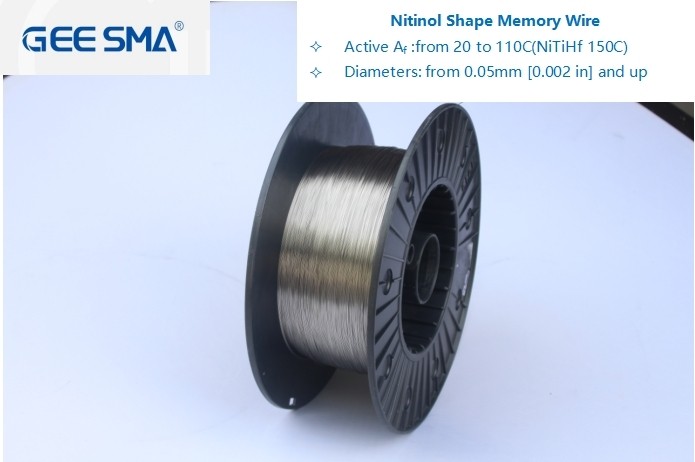
When it comes to ensuring the integrity and performance of Nitinol, ASTM F2516 serves as a critical benchmark. This standard outlines the testing methods specifically designed for evaluating the mechanical properties of Nitinol wire, which is essential for various applications, especially in medical devices. By adhering to these standards, manufacturers can provide reliable data that aligns with industry expectations and safety requirements.
Key Aspects of ASTM F2516
ASTM F2516 focuses on several key aspects related to the tension testing of Nitinol materials. It specifies procedures for measuring mechanical properties such as tensile strength, elongation, and yield strength—parameters crucial for understanding how Nitinol behaves under stress. Additionally, this standard includes guidelines on sample preparation and test conditions to ensure consistent and reproducible results across different laboratories.
The Nitinol datasheet often references ASTM F2516 to provide essential information about material properties relevant to engineers and designers. Compliance with these standards not only enhances product reliability but also fosters innovation in the development of new Nitinol applications. By adhering strictly to these guidelines, manufacturers can effectively communicate the mechanical properties of their products while ensuring they meet regulatory requirements.
Importance of Compliance in Testing
Compliance with ASTM F2516 is vital for maintaining quality assurance processes within industries utilizing Nitinol wire. Meeting these standards ensures that products not only perform as expected but also adhere to safety regulations that protect end-users—especially critical in medical applications where failure could have dire consequences. Furthermore, demonstrating compliance can enhance a company's reputation and instill confidence among clients and stakeholders.
Nitinol material properties are complex; thus, rigorous testing according to established standards allows for accurate characterization of its unique behaviors under various conditions. For instance, knowing how Nitinol density kg m3 affects its performance helps engineers design better devices tailored to specific applications—be it stents or actuators in robotics. Ultimately, compliance is not just about following rules; it's about fostering trust through transparency in product capabilities.
Impact on Quality Assurance Processes
The impact of ASTM F2516 on quality assurance processes cannot be overstated when it comes to materials like SE508 Nitinol. By implementing standardized testing protocols outlined by this standard, manufacturers can systematically evaluate their products' performance characteristics before they reach the market. This proactive approach minimizes risks associated with product failures while maximizing customer satisfaction through consistent quality delivery.
Moreover, adherence to ASTM F2516 facilitates continuous improvement within manufacturing processes by providing clear benchmarks against which performance can be measured over time. As companies gather data from tension tests conducted per these standards, they gain valuable insights into their production practices that can lead to enhanced efficiency and reduced costs—an undeniable advantage in today's competitive landscape focused on innovation.
In summary, ASTM F2516 plays a pivotal role in shaping how industries engage with Nitinol materials by establishing a framework that promotes safety and reliability while driving technological advancements forward.
Nitinol Material Properties

Nitinol is a remarkable alloy that exhibits unique material properties, making it suitable for various applications, particularly in the medical field. Understanding these Nitinol material properties is crucial for engineers and designers who rely on its capabilities. This section will delve into the mechanical properties of Nitinol, its performance under stress, and the essential role of tension testing in evaluating these characteristics.
Mechanical Properties That Matter
When discussing Nitinol composition, it's essential to highlight its mechanical properties that set it apart from other materials. Nitinol exhibits superelasticity and shape memory effects, which are pivotal for applications requiring flexibility and resilience. Additionally, its density is approximately 6,450 kg/m³, which contributes to its lightweight nature while maintaining strength—key factors in both medical devices and aerospace applications.
The mechanical properties of Nitinol also include high fatigue resistance and excellent corrosion resistance. These traits ensure that devices made from Nitinol can endure repeated stress without significant wear or failure. For instance, SE508 Nitinol wire demonstrates exceptional performance in environments where traditional metals might falter due to fatigue or corrosion.
The Role of Tension Testing in Evaluation
Tension testing plays a vital role in evaluating the mechanical properties of Nitinol wire by providing insights into how it behaves under load. This testing method assesses tensile strength, elongation at break, and yield strength—critical parameters when designing components for demanding applications like stents or guidewires. By analyzing results from tension tests against a detailed nitinol datasheet, engineers can make informed decisions about material selection based on specific project requirements.
Moreover, tension testing helps identify any deviations from expected performance metrics outlined in the nitinol datasheet. Such evaluations ensure compliance with ASTM F2516 standards and enhance overall quality assurance processes within manufacturing environments. Understanding how different compositions affect tensile behavior allows manufacturers to optimize their products effectively.
How Nitinol Wire Performs Under Stress
Nitinol wire's performance under stress is nothing short of fascinating; it can withstand significant deformation without permanent damage due to its unique phase transformation characteristics. When subjected to tensile forces beyond its yield point, this alloy can revert to a predetermined shape upon heating—a property that makes it invaluable for dynamic applications such as self-expanding stents or actuators in robotics.
In practical scenarios like space missions or medical implants where reliability is paramount, understanding how Nitinol wire performs under various stress conditions becomes critical. The data gleaned from tension testing directly correlates with real-world performance outcomes; thus ensuring that products meet stringent safety standards outlined in relevant nitinol datasheets is non-negotiable for manufacturers aiming at excellence.
As we continue exploring the world of Nitinol material properties through rigorous testing and innovative designs like SE508 Nitinol wire developments, we pave the way for advancements across numerous industries—from healthcare solutions to cutting-edge aerospace technologies.
The Testing Procedure
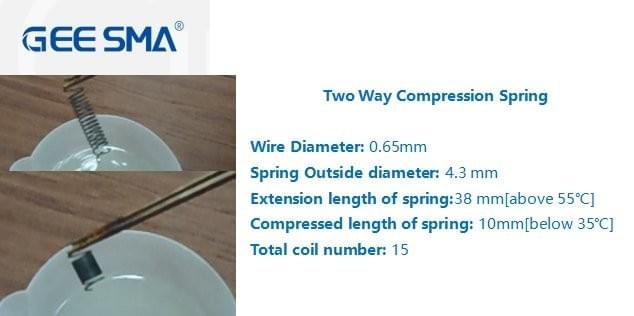
When it comes to understanding Nitinol’s unique properties and applications, the testing procedure is a crucial step in ensuring quality and performance. Tension testing evaluates the mechanical properties of Nitinol wire, allowing manufacturers to confirm that their products meet industry standards like ASTM F2516. This section will guide you through the essential steps of tension testing, the equipment involved, and how to interpret the results effectively.
Step-by-Step Guide to Tension Testing
To begin with, tension testing involves several key steps that ensure accurate measurement of Nitinol material properties. First, prepare a sample of Nitinol wire according to specifications outlined in the relevant nitinol datasheet. Next, securely mount the sample within a tensile testing machine designed for precision measurements.
Once everything is set up, gradually apply force until the wire reaches its yield point or breaks. During this process, monitor parameters such as elongation and maximum load; these are critical for calculating Nitinol density kg m3 and other mechanical properties. After completing the test, document all data meticulously—this information will be invaluable for future reference or compliance checks.
Equipment Used for Accurate Measurements
The accuracy of tension testing hinges on using proper equipment tailored for evaluating Nitinol’s unique characteristics. A universal testing machine is typically used for this purpose; it allows precise control over force application while measuring elongation in real-time. Additionally, load cells and extensometers are essential components that help track changes in length and stress during testing.
For those working with SE508 Nitinol specifically, having specialized fixtures can enhance stability and reduce errors during measurements. It's also advisable to calibrate your equipment regularly to maintain accuracy over time—after all, even small discrepancies can lead to significant variations in reported data regarding Nitinol composition or mechanical properties.
Interpreting the Results of Testing
Interpreting results from tension tests can be both an art and a science—especially when dealing with materials as complex as Nitinol wire. After collecting data on stress-strain curves, focus on key metrics such as ultimate tensile strength (UTS), yield strength, and elongation percentage. These figures provide insight into how well your material performs under stress while also reflecting its inherent properties derived from its composition.
Furthermore, comparing your results against established benchmarks from nitinol datasheets can help determine if your product meets industry standards or requires further refinement. Understanding these outcomes not only aids in quality assurance but also informs future design decisions related to applications ranging from medical devices to aerospace technologies involving Nitinol density kg m3 considerations.
Real-World Applications
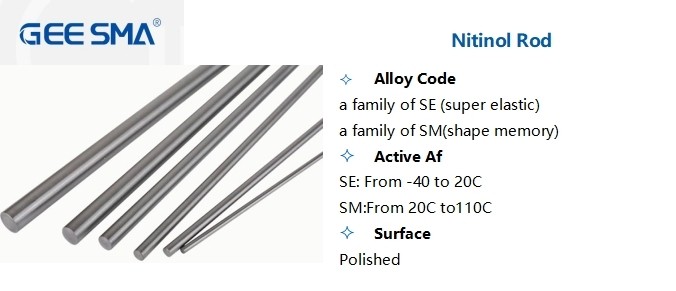
Nitinol has carved a niche for itself in various industries, demonstrating its versatility and reliability. The unique properties of Nitinol, including its shape memory effect and superelasticity, have led to groundbreaking innovations across medical devices and other fields. As we explore real-world applications, it becomes clear that the potential of Nitinol is only beginning to be realized.
GEE SMA Innovations in Nitinol
GEE SMA has been at the forefront of developing advanced Nitinol solutions, showcasing how this remarkable alloy can revolutionize product design and functionality. Their innovations leverage the unique Nitinol composition to create components that respond dynamically to environmental changes, enhancing performance in various applications. Through extensive research and development, GEE SMA has produced a comprehensive nitinol datasheet detailing their cutting-edge products, which highlights key aspects like Nitinol mechanical properties and density.
The company's focus on creating high-quality Nitinol wire ensures that their offerings meet stringent industry standards while maintaining excellent performance characteristics. By utilizing their expertise in the field of shape memory alloys (SMAs), GEE SMA continues to push boundaries in sectors ranging from robotics to medical devices. This commitment not only enhances product reliability but also aligns with ASTM F2516 standards for testing and quality assurance.
Case Studies of Successful Deployments
Numerous case studies illustrate the successful deployment of Nitinol across diverse industries, showcasing its adaptability and effectiveness. One notable example includes its use in stents for cardiovascular applications; these devices leverage Nitinol's superelasticity to provide optimal support while minimizing tissue damage during implantation. The detailed nitinol datasheet for such medical devices outlines essential aspects like mechanical properties and stress responses under varying conditions.
Another compelling case study involves automotive applications where Nitinol components are used for actuation systems due to their lightweight nature and exceptional strength-to-weight ratio—properties defined by precise measurements of Nitinol density kg m3. These innovative designs not only enhance vehicle efficiency but also contribute significantly to overall safety features by allowing responsive adjustments during operation.
These examples underscore how companies are increasingly relying on thorough understanding of nitinol material properties when developing new products that require durability without sacrificing performance or safety.
Nitinol in Space Missions: Chang’e and Tianwen
The application of Nitinol extends far beyond Earth, with significant roles in space missions such as China's Chang’e lunar exploration program and Tianwen Mars mission. In these ambitious endeavors, engineers harnessed the unique attributes of SE508 nitinol to create components that withstand extreme temperature variations while maintaining structural integrity—an essential factor given the harsh conditions found beyond our atmosphere. The use of a robust nitinol datasheet allows engineers to select materials based on precise specifications related to mechanical properties needed for space travel.
For instance, actuators made from Nitinol wire were employed in robotic arms designed for surface operations on celestial bodies like the Moon or Mars; they provide reliable movement through thermal cycling without failure thanks to their superelastic capabilities. Additionally, understanding the nuances within nitinol composition helps engineers optimize designs tailored specifically for each mission's requirements—ensuring success even under unpredictable circumstances.
As these missions continue exploring new frontiers, it is evident that advancements driven by innovative uses of Nitinol will play a crucial role in shaping our understanding of space exploration technologies moving forward.
Conclusion
In the realm of advanced materials, Nitinol stands out as a remarkable alloy that has transformed various industries, particularly in medical applications. As we look to the future, the importance of rigorous testing methods like ASTM F2516 cannot be overstated. These standards not only ensure safety and performance but also pave the way for innovative uses of Nitinol wire and its unique properties.
The Future of Nitinol Testing
The future of Nitinol testing is poised for exciting developments as new technologies emerge to enhance precision and efficiency. With ongoing research into Nitinol material properties, including its exceptional shape memory and superelastic capabilities, testing methods will need to adapt accordingly to capture these evolving characteristics. As manufacturers seek compliance with ASTM F2516 standards, they will increasingly rely on comprehensive nitinol datasheets that detail mechanical properties to inform their quality assurance processes.
Innovations Driving Nitinol Development
Innovations in Nitinol development are driven by a growing understanding of its unique composition and mechanical properties. Enhanced manufacturing techniques are leading to the creation of specialized forms like SE508 Nitinol, which offers improved performance metrics tailored for specific applications. These advancements promise not only greater versatility in design but also an expansion into new fields beyond traditional medical devices.
How ASTM F2516 Shapes Industry Standards
ASTM F2516 plays a crucial role in shaping industry standards by providing a framework for tension testing that ensures consistency across manufacturers. By adhering to these guidelines, companies can confidently present their products based on verified nitinol density kg m3 and other critical parameters outlined in their nitinol datasheets. This compliance fosters trust among consumers and professionals alike while promoting innovation within the sector.