

Introduction
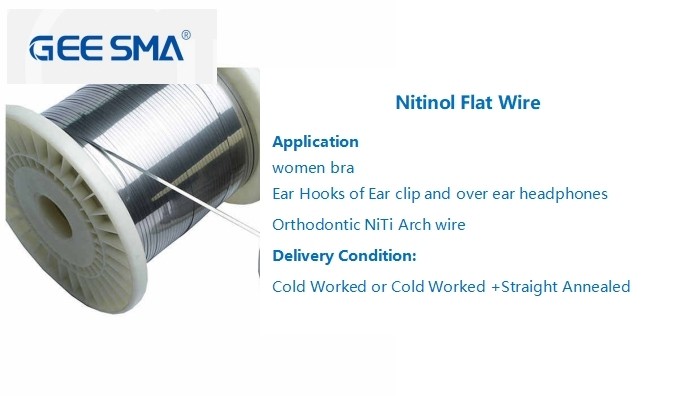
Nitinol, a remarkable alloy known for its shape memory and superelastic properties, is transforming the landscape of modern medicine. Its unique properties of Nitinol make it an ideal candidate for a variety of medical devices, from tiny stents to complex surgical tools, revolutionizing how procedures are performed. As the demand for innovative solutions grows, understanding Nitinol composition and properties becomes essential to unlocking its full potential in healthcare.
Unlocking the Potential of Nitinol in Medicine
The potential of nitinol for medical devices is vast and still expanding. Its ability to remember shapes and return to a pre-set form allows for minimally invasive procedures that were once impossible. With increasing Nitinol uses across different medical fields, this alloy continues to push boundaries, offering safer and more effective treatment options.
How Nitinol for Medical Devices Revolutionizes Surgery
Nitinol devices and components are at the forefront of surgical innovation, enabling less invasive techniques with faster recovery times. The versatility of Nitinol uses means surgeons can rely on flexible, durable tools that adapt to complex anatomical structures. This revolution in surgery is driven by advancements in manufacturing techniques that optimize both performance and cost-effectiveness.
Understanding Nitinol Properties for Better Outcomes
The properties of Nitinol—such as shape memory effect, superelasticity, biocompatibility, and corrosion resistance—are key drivers behind its success in medical applications. These characteristics contribute to improved patient outcomes by reducing complications and increasing device longevity. As the market's understanding deepens, so does the importance of considering factors like Nitinol price when selecting suitable components or even a Nitinol tablet for specific treatments.
The Science Behind Nitinol in Medical Applications
Nitinol, a fascinating alloy composed primarily of nickel and titanium, has revolutionized the field of medical devices thanks to its remarkable properties. Its unique composition endows it with shape memory and superelasticity, making it ideal for various Nitinol uses in minimally invasive procedures and implantable devices. Understanding the Nitinol composition is crucial because it directly influences the Nitinol price, which varies depending on purity and manufacturing processes, impacting the affordability of Nitinol for medical devices.
Nitinol Composition and Its Significance
The core of Nitinol's magic lies in its precise composition—typically around 55% nickel and 45% titanium—though slight variations can enhance specific properties. This balance ensures optimal shape memory behavior while maintaining biocompatibility for medical applications like stents or surgical tools. When considering Nitinol for medical devices, manufacturers evaluate its composition carefully since even minor adjustments can influence the Nitinol price and overall device performance.
Unique Properties of Nitinol and Their Surgical Benefits
Nitinol's properties of superelasticity and shape memory are what set it apart from traditional materials used in healthcare equipment. These properties allow Nitinol devices to undergo significant deformation without permanent damage, then return to their original shape upon heating or unloading—a feature widely exploited in Nitinol uses such as stents or orthodontic wires. The Properties of Nitinol also contribute to reduced procedure times and enhanced precision during surgeries, making it a favorite among surgeons seeking reliable, durable solutions.
GEE SMA's Role in Advancing Nitinol Shape Memory Alloys
GEE SMA continues to push the boundaries by refining manufacturing techniques that improve the Properties of Nitinol, resulting in higher quality components at competitive prices. Their innovations have made it possible to customize Nitinol for specific medical needs while managing costs effectively, keeping the Nitinol price attractive for healthcare providers worldwide. As a leader in developing advanced solutions like a Nitinol tablet or specialized implants, GEE SMA plays a pivotal role in making cutting-edge technology accessible through superior control over material properties.
Key Nitinol Uses in Medical Devices
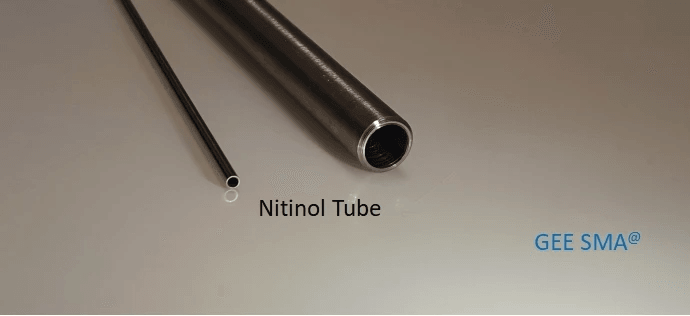
Nitinol for medical devices has revolutionized the healthcare industry by offering unparalleled flexibility, shape memory, and biocompatibility. Its unique properties of Nitinol make it an ideal material for a wide range of medical applications, from tiny implants to complex surgical tools. As the demand for innovative solutions grows, understanding the diverse Nitinol uses helps clinicians achieve better patient outcomes while keeping costs manageable.
Nitinol Devices and Components Transforming Healthcare
Nitinol devices and components are at the forefront of modern medicine, thanks to their remarkable properties of Nitinol such as superelasticity and shape memory. These traits allow for minimally invasive procedures with devices that can navigate complex anatomy without causing tissue damage. The Nitinol composition is carefully engineered to optimize these properties of Nitinol, ensuring durability and performance in demanding environments.
The versatility of Nitinol uses extends across cardiovascular, orthopedic, and dental fields, where its ability to return to a pre-set shape after deformation makes it invaluable. For example, stents made from Nitinol are widely used due to their capacity to expand within arteries and adapt dynamically as blood flow changes. The cost-effectiveness of these Nitinol devices is enhanced by advances in manufacturing techniques that reduce the Nitinol price without compromising quality.
Popular Examples of Nitinol-based Medical Tools
Some popular examples of Nitinol-based medical tools include guidewires, orthodontic archwires, and self-expanding stents—each showcasing the incredible properties of Nitinol such as superelasticity and shape memory. These tools leverage the unique properties of Nitinol to perform precise movements within delicate tissues or vessels with minimal trauma. For instance, a typical Nitinol tablet might be used as part of a drug delivery system or implantable device designed for long-term stability.
The properties of Nitinol enable these tools not only to improve surgical precision but also reduce procedure times significantly—saving both time and money for healthcare providers. As more innovations driven by GEE SMA’s advanced manufacturing techniques emerge, the applications for this versatile metal continue expanding rapidly. When considering the cost factors like the Nitinol price or customizing solutions based on specific needs, it's clear why this material remains a top choice among medical device manufacturers.
Innovations Driven by GEE SMA’s Nitinol Solutions
GEE SMA is pioneering innovations in nitinol for medical devices by pushing boundaries on what this remarkable alloy can do—such as developing specialized components with optimized composition tailored for specific applications. Their expertise ensures that each device benefits from enhanced properties like fatigue resistance and biocompatibility while maintaining competitive costs related to the overall nitinol price point.
Enhancing Surgical Outcomes with Nitinol
Nitinol for medical devices has revolutionized the surgical landscape by offering unmatched flexibility and a remarkable shape memory effect. Its properties of Nitinol, such as superelasticity and corrosion resistance, allow devices to adapt seamlessly to complex anatomical structures. This means surgeons can rely on Nitinol Devices and Components that perform consistently, reducing the risk of complications and improving patient recovery times.
The versatility of Nitinol uses extends across various procedures, making it a go-to material for minimally invasive surgeries. The properties of Nitinol enable the creation of implants that can be inserted in a compact form and then expand or reshape within the body to fit precisely. This adaptability not only shortens procedure times but also enhances precision, leading to better surgical outcomes overall.
When considering Nitinol for medical devices like stents or orthopedic tools, understanding its Nitinol composition is crucial. The balance between nickel and titanium in its alloy determines its shape memory capabilities and biocompatibility—key factors influencing the Nitinol price and overall cost-effectiveness. As demand grows, manufacturers are refining their techniques to produce high-quality Nitinol Devices and Components at competitive prices without compromising performance.
By harnessing these advanced properties of Nitinol, surgeons can achieve more precise placements with less trauma to patients. The enhanced flexibility reduces stress on surrounding tissues while maintaining structural integrity—crucial benefits in delicate procedures like cardiac stent deployment or orthopedic fixation. With ongoing innovations driven by improvements in manufacturing techniques, the future of Nitinol uses in surgery looks both promising and transformative.
In summary, leveraging the properties of Nitinol not only optimizes surgical outcomes but also pushes forward the boundaries of what’s possible with minimally invasive techniques. As more healthcare providers recognize its benefits—including durability and biocompatibility—the widespread adoption of these innovative devices will continue to grow. Ultimately, choosing high-quality sources like GEE SMA ensures access to top-tier Nitinol Devices and Components that meet both clinical needs and budget considerations related to the current Nitinol price landscape.
Case Studies of Nitinol Success in Surgery
Nitinol’s unique properties of shape memory and superelasticity have revolutionized various surgical procedures, showcasing the incredible potential of nitinol for medical devices. Its biocompatibility and durability make it a preferred choice for complex medical applications, especially when precision and flexibility are paramount. From cardiac stents to orthopedic devices, the diverse Nitinol uses continue to push the boundaries of modern medicine.
Cardiac Stents and Coronary Procedures
In the realm of cardiac care, Nitinol Devices and Components have become indispensable, particularly in the form of cardiac stents used during coronary procedures. These stents leverage the Properties of Nitinol to expand within arteries and conform perfectly to vessel walls without damaging delicate tissues. The Nitinol composition ensures these devices can withstand constant blood flow stress while maintaining their shape, which is crucial for patient safety and long-term success.
The Nitinol price plays a significant role here; despite being slightly higher than traditional materials, its longevity and performance justify the investment. Medical professionals favor Nitinol for its ability to reduce procedure time due to ease of deployment—thanks to its superelastic nature—and improve overall outcomes. As more hospitals adopt nitinol for medical devices like stents, its reputation as a game-changer in cardiovascular treatments continues to grow.
Orthopedic Nitinol Devices Improving Joint Stability
Orthopedic surgeons increasingly turn to Nitinol devices because of their exceptional flexibility and resilience—key attributes that enhance joint stability after surgery or injury. These orthopedic applications utilize the Properties of Nitinol to create implants that adapt seamlessly within dynamic environments like joints or bones under stress. Whether it's flexible wires or specialized implants, the use of nitinol for medical devices significantly improves patient recovery times.
The cost-effectiveness of these devices is often debated given the current Nitinol price; however, their durability reduces need for replacements or revisions over time. The composition of Nitinol allows these implants to absorb shocks while maintaining structural integrity—making them ideal for high-mobility areas such as knees or hips. As a result, patients experience better mobility with fewer complications thanks to innovative uses like nitinol-based joint stabilization systems.
Nitinol in Minimally Invasive Surgical Tools
Minimally invasive surgeries demand precise instruments that can navigate tight spaces without causing unnecessary trauma—enter nitinol in surgical tools! The Properties of Nitinol enable manufacturers to craft flexible yet resilient tools that bend effortlessly through tiny incisions while returning quickly to their original shape once deployed. This makes nitinol ideal for catheters, guidewires, and other surgical components where maneuverability is critical.
Nitinol uses extend beyond just implants; they include components like nitinol tablets used in various device assemblies or as part of complex surgical systems enhancing precision during procedures. While the current Nitinol price might be higher than some alternatives, its benefits—in terms of reduced procedure time and improved patient outcomes—are well worth it. As GEE SMA’s innovations continue advancing manufacturing techniques around properties of nitinol, expect even more sophisticated tools transforming minimally invasive surgery standards worldwide.
Cost and Manufacturing Aspects of Nitinol
Understanding the cost and manufacturing intricacies of nitinol for medical devices is crucial for healthcare providers and manufacturers alike. The Nitinol price varies depending on factors like composition, processing, and the complexity of Nitinol Devices and Components. While initially appearing costly, the long-term benefits—such as durability, biocompatibility, and shape memory properties—make it a cost-effective choice in many medical applications.
Advances in Nitinol manufacturing techniques have revolutionized how this remarkable alloy is produced. Modern methods like powder metallurgy and precise thermal treatments improve properties of Nitinol, making it more reliable for use in medical devices. These innovations have also enabled the creation of complex shapes and miniaturized components, expanding Nitinol uses across minimally invasive surgeries and implantable devices.
Customizing Nitinol for specific medical needs has become more accessible thanks to tailored alloy compositions and specialized processing methods. Whether designing a Nitinol tablet or intricate surgical tools, manufacturers can fine-tune properties of Nitinol to meet exact performance criteria. This customization ensures optimal flexibility, strength, and biocompatibility—key factors that influence both the effectiveness of Nitinol-based devices and their overall cost-effectiveness.
Conclusion
Nitinol for medical devices has truly revolutionized the landscape of modern surgery, offering unmatched flexibility, shape memory, and biocompatibility. Its diverse Nitinol uses—from cardiac stents to orthopedic tools—highlight how this alloy continues to push the boundaries of innovation in healthcare. As research advances and manufacturing techniques improve, the Nitinol price is becoming more competitive, making it accessible for a wider range of medical applications.
Nitinol for Medical Devices as a Game-Changer in Surgery
The properties of Nitinol, especially its unique shape memory and superelasticity, have made it a game-changer in surgery. These properties of Nitinol enable the creation of devices that adapt seamlessly to complex anatomical structures, reducing procedure times and enhancing patient outcomes. With ongoing innovations like Nitinol tablets for drug delivery or implants, the potential uses are expanding rapidly—truly redefining what’s possible in minimally invasive procedures.
The Future of Nitinol Applications in Healthcare
Looking ahead, the future of Nitinol uses is bright and promising. Advances in understanding its composition will lead to more sophisticated Nitinol Devices and Components tailored for specific needs—such as customizable implants or smart surgical tools. As manufacturing techniques evolve to optimize properties of Nitinol while controlling costs like the Nitinol price, we can expect even broader adoption across various medical fields, making healthcare more efficient and patient-friendly.
Why Choosing GEE SMA’s Nitinol Is a Smart Move
Partnering with GEE SMA means investing in high-quality Nitinol solutions that harness the full potential of its properties—whether through innovative designs or cost-effective production methods affecting the Nitinol price. Their expertise ensures that each product aligns perfectly with your specific needs in medical device development or surgical applications. When it comes to reliable performance and cutting-edge technology in nitinol for medical devices, GEE SMA stands out as a smart choice for healthcare providers worldwide.