

Introduction
Nitinol has emerged as a game-changer in the world of medical devices, thanks to its remarkable shape memory and superelastic properties. Unlocking the potential of nitinol in medical devices involves understanding how its unique features can improve patient outcomes and device performance alike. With ongoing advances, the role of nitinol biocompatibility medical devices continues to expand, making healthcare more effective and less invasive than ever before.
The critical role of biocompatibility in patient safety cannot be overstated, especially when it comes to materials like nitinol used in life-saving applications. Many wonder, Is nitinol biocompatible? The answer hinges on rigorous testing and compliance with regulatory standards such as the FDA nitinol guidance. Ensuring the biocompatibility of nitinol for biomedical applications means carefully evaluating how it interacts with human tissues over time, which is essential for minimizing adverse reactions.
Advances in nitinol technology are transforming healthcare by enabling innovative solutions that were once thought impossible. From minimally invasive stents to complex surgical tools, understanding how does nitinol work helps engineers optimize its transformation temperature and other properties for specific uses. As research progresses and new applications emerge, the impact of Nitinol transformation temperature on device performance becomes increasingly clear—paving the way for safer, smarter medical interventions.
Understanding Nitinol Biocompatibility in Medical Applications

Nitinol, a remarkable shape memory alloy composed of nickel and titanium, has revolutionized the medical device industry thanks to its unique properties. When discussing nitinol biocompatibility medical devices, it's essential to understand how this alloy interacts with the human body. The question Is nitinol biocompatible? often arises among clinicians and engineers alike, given its widespread use in implants and surgical tools.
The biocompatibility of nitinol for biomedical applications hinges on rigorous testing and adherence to safety standards, including those outlined by the FDA nitinol guidance. These regulations ensure that devices made of nitinol do not provoke adverse reactions such as allergies or inflammation. Nitinol’s transformation temperature plays a critical role here; it influences how the material behaves inside the body, ensuring it remains safe and effective during use.
When considering what medical devices are made of nitinol, you'll find everything from stents and guidewires to orthodontic archwires and endovascular clips. Its shape memory capabilities allow these devices to deploy minimally invasively while maintaining durability within the biological environment. The question How does nitinol work? becomes clearer when understanding its transformation temperature — at specific temperatures, it can change shape or return to a pre-set form without damaging surrounding tissues.
In summary, nitinol biocompatibility medical devices are designed with safety in mind, adhering strictly to regulatory guidelines like those set by the FDA. The alloy’s unique properties enable innovative treatments that were once impossible, but ongoing research ensures that their biocompatibility remains at the forefront of patient safety considerations.
The Science Behind Nitinol’s Unique Properties
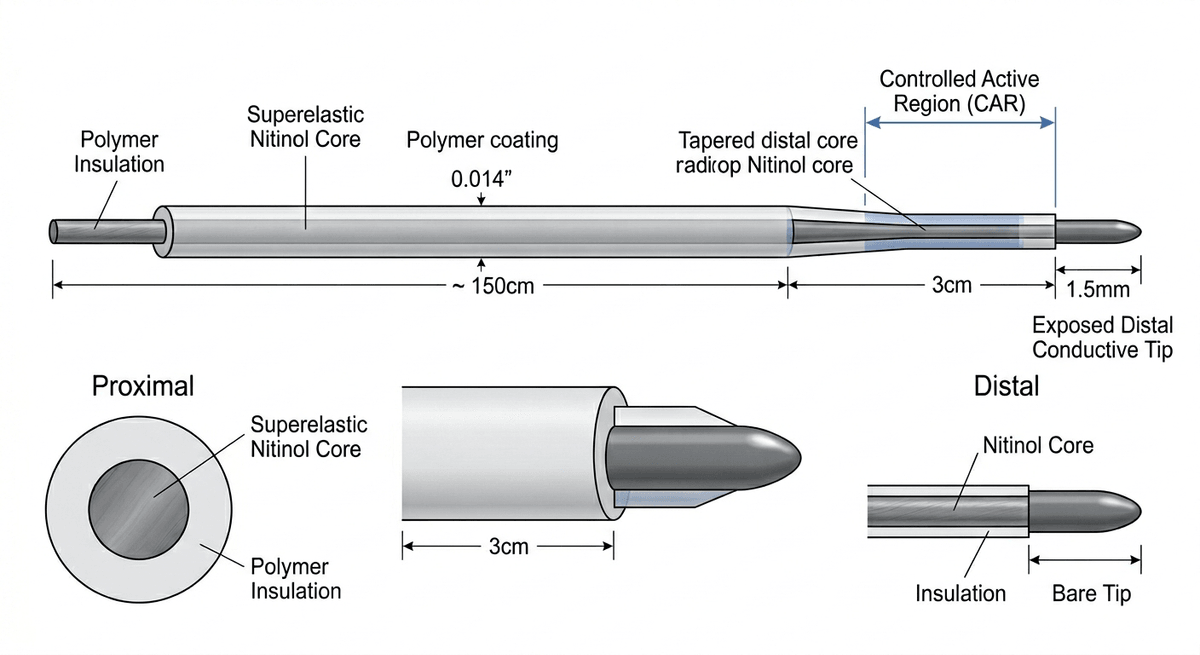
Nitinol, a fascinating alloy composed of nickel and titanium, is renowned for its remarkable shape memory and superelastic properties. These characteristics make it a top choice in the realm of medical devices, especially when considering nitinol biocompatibility medical devices that need to perform reliably inside the human body. Understanding how nitinol works at a fundamental level helps clarify why it's so widely used and trusted in biomedical applications.
How Does Nitinol Work in Medical Devices?
At its core, nitinol works through a reversible phase transformation between two solid states: martensite and austenite. When exposed to specific temperature ranges, this transformation allows the material to remember its original shape and return to it after deformation—a phenomenon known as shape memory effect. This is why many medical devices made of nitinol can be bent or compressed during insertion but then regain their intended form once in place, ensuring optimal performance and biocompatibility. The question Is nitinol biocompatible? often arises because these properties must be balanced with patient safety; luckily, extensive testing confirms that properly processed nitinol exhibits excellent biocompatibility for many biomedical applications.
The Role of Nitinol Transformation Temperature
The transformation temperature—often called the transition or shape memory temperature—is critical in determining how nitinol behaves within the human body. For medical devices made of nitinol, engineers carefully select alloys with transformation temperatures just below or around body temperature (approximately 37°C). This ensures that once implanted, the device automatically activates its shape memory effect without causing tissue damage or discomfort—highlighting how understanding what is the biocompatibility of nitinol for biomedical applications influences design choices. Moreover, adhering to FDA guidance on nitinol transformation temperatures ensures that these devices are safe and effective for patient use while maintaining optimal nitinol biocompatibility.
GEE SMA and Nitinol Shape Memory Alloys in Practice
GEE SMA specializes in developing advanced shape memory alloys tailored for various medical applications involving nitinol biocompatibility medical devices. Their innovations leverage the unique properties of Nitinol (such as superelasticity and precise transformation temperatures) to create stents, guidewires, orthodontic archwires, and other implants that perform seamlessly inside patients' bodies. In practice, understanding how does nitinol work combined with strict adherence to FDA guidance on material processing ensures these devices meet rigorous safety standards while delivering enhanced performance driven by reliable biocompatibility profiles.
Regulatory and Safety Guidelines for Nitinol Medical Devices
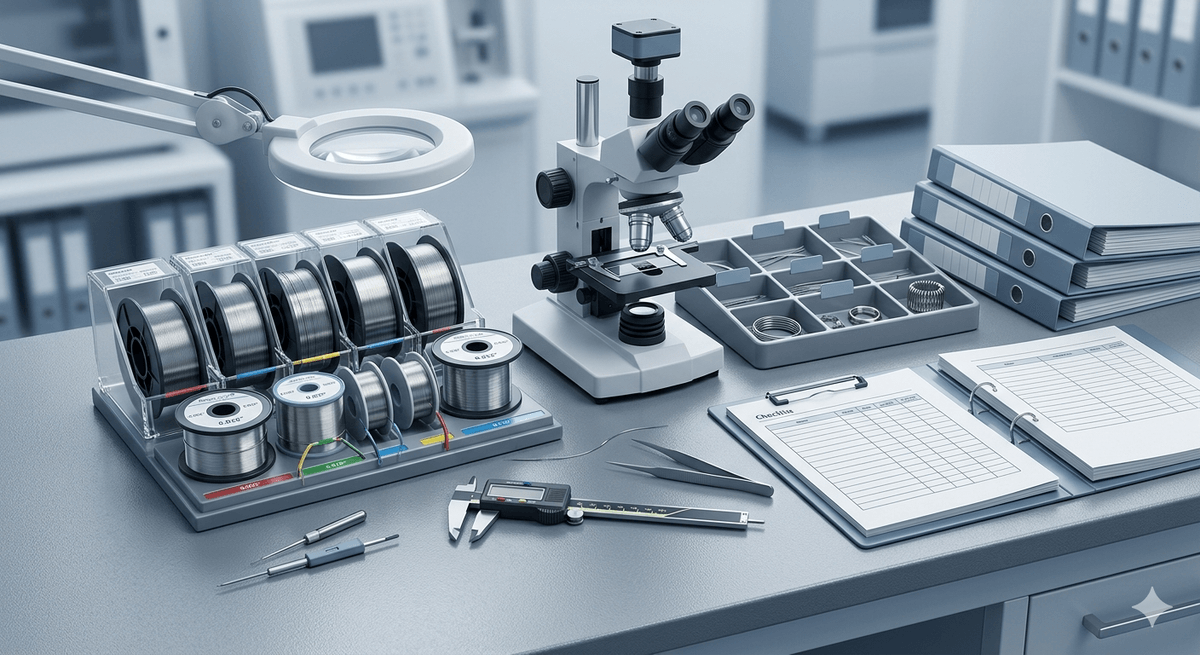
Navigating the landscape of nitinol biocompatibility medical devices requires a clear understanding of the regulatory environment, especially the FDA guidelines that govern their approval and use. Since many medical devices are made of nitinol, knowing what medical devices are made of nitinol? helps manufacturers ensure compliance from the outset. The FDA nitinol guidance provides a framework that emphasizes safety, efficacy, and biocompatibility, ensuring that patients receive reliable and safe treatments involving these innovative materials.
Ensuring patient safety through regulatory compliance is paramount when developing or deploying nitinol-based medical devices. Is nitinol biocompatible? This question often arises among clinicians and regulators alike, especially considering the diverse biomedical applications where biocompatibility is critical. Understanding what is the biocompatibility of nitinol for biomedical applications? helps manufacturers address potential risks such as allergic reactions or tissue irritation, reinforcing confidence in these advanced devices.
Testing and certification for nitinol devices involve rigorous procedures designed to confirm their safety and performance standards. How does nitinol work in these contexts? Its unique properties, including shape memory and superelasticity influenced by Nitinol transformation temperature, make it ideal for various applications but also necessitate thorough testing protocols. Certification processes ensure that each device meets regulatory requirements, safeguarding patient health while leveraging the benefits of Nitinol’s biocompatibility.
Enhancing Medical Device Performance with Nitinol
Nitinol biocompatibility medical devices are revolutionizing healthcare by offering unmatched flexibility, durability, and safety. Their unique properties allow these devices to perform complex functions within the human body while maintaining high biocompatibility standards. This makes them ideal for a variety of biomedical applications, from stents to surgical tools.
Benefits of Nitinol Biocompatibility Medical Devices
One of the standout benefits of nitinol biocompatibility medical devices is their ability to undergo shape memory transformations without causing adverse tissue reactions. What medical devices are made of nitinol? Many implants, including stents and orthodontic wires, are crafted from this alloy because it is highly biocompatible and can conform precisely to biological environments. Is nitinol biocompatible? Absolutely—its surface properties reduce corrosion and minimize immune responses, ensuring patient safety over long-term use.
Case Studies of Successful Nitinol Applications
A prime example demonstrating how does nitinol work in real-world scenarios involves its use in minimally invasive cardiac procedures where its shape memory allows for precise deployment inside blood vessels. These applications highlight the importance of understanding the FDA nitinol guidance that governs safety and efficacy standards for such devices. For instance, a recent success story involved a Nitinol-based stent that significantly improved patient outcomes by combining excellent biocompatibility with reliable performance—showing what is possible when regulatory compliance aligns with material science.
Innovations Driven by Nitinol Biocompatibility
The future of innovations driven by nitinol biocompatibility lies in developing smarter, more adaptable medical devices tailored to individual patient needs. Advances in understanding the Nitinol transformation temperature enable engineers to design implants that activate at specific body temperatures, enhancing their functionality and safety profile. As research continues on what is the biocompatibility of nitinol for biomedical applications, new possibilities emerge—such as customizable scaffolds or dynamic surgical tools—that push the boundaries of current healthcare solutions.
Future Trends in Nitinol Medical Technologies
The future of nitinol in healthcare is both exciting and promising, especially as research continues to unlock new applications for this remarkable alloy. As the demand for innovative medical devices grows, understanding what medical devices are made of nitinol becomes crucial for clinicians and manufacturers alike. With ongoing advancements, the question Is nitinol biocompatible? is increasingly answered with confidence, paving the way for safer and more effective treatments.
Emerging applications of nitinol in healthcare are expanding beyond traditional uses like stents and guidewires to include complex robotic surgical tools and tissue engineering scaffolds. As these innovations develop, understanding how nitinol works—particularly its unique shape memory properties—is vital for optimizing performance while maintaining biocompatibility standards. The role of Nitinol transformation temperature becomes a key factor in designing devices that respond precisely within the human body, aligning with FDA nitinol guidance to ensure safety and efficacy.
However, challenges remain on the path forward. Ensuring consistent biocompatibility of nitinol for biomedical applications requires rigorous testing and adherence to regulatory standards such as those outlined by the FDA. As new devices push boundaries, questions about what medical devices are made of nitinol and how its biocompatibility impacts long-term patient outcomes will continue to be at the forefront. Opportunities lie in refining surface treatments and alloy compositions to enhance biocompatibility while meeting regulatory requirements.
The impact of nitinol biocompatibility on patient outcomes cannot be overstated; safer materials mean fewer complications and faster recoveries. As research deepens our understanding of what is needed for optimal biocompatibility in medical devices made of nitinol, we can expect more personalized, durable solutions that improve quality of life. Ultimately, embracing these future trends ensures that innovations driven by a thorough grasp of how nitinol works will translate into tangible benefits for patients worldwide.
Conclusion
Understanding why nitinol biocompatibility matters for patient safety is fundamental as this material continues to revolutionize medical devices. With its unique properties and proven safety profile, nitinol offers clinicians reliable tools that can adapt and perform under complex conditions. Ensuring the biocompatibility of nitinol for biomedical applications not only fosters trust but also minimizes adverse reactions, making patient outcomes significantly better.
The evolution of nitinol in medical devices showcases a remarkable journey from simple shape memory alloys to sophisticated tools made of nitinol that save lives daily. What medical devices are made of nitinol? Many, including stents, guidewires, and orthodontic archwires, owe their success to the material's exceptional biocompatibility. As research advances, understanding how does nitinol work—particularly its transformation temperature—becomes crucial in optimizing device performance while adhering to FDA nitinol guidance.
GEE SMA’s commitment to advancing nitinol technologies underscores the importance of rigorous testing and certification processes for Nitinol biocompatibility medical devices. By aligning with regulatory standards such as FDA guidelines on nitinol, they ensure each product meets safety and efficacy benchmarks. This dedication not only enhances the performance of these innovative devices but also reassures healthcare providers and patients alike that safety remains paramount.