

Introduction
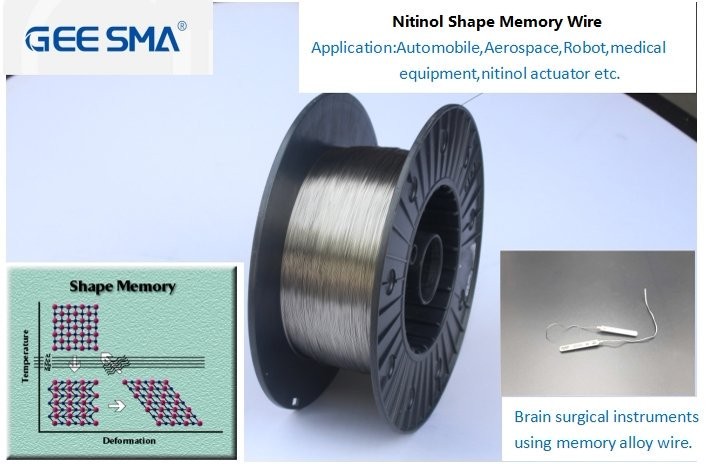
In the ever-evolving world of orthopedic surgery, the emergence of nitinol k wire has truly unlocked new potential for both surgeons and patients alike. These innovative wires, known for their shape memory properties, are transforming how fractures and dislocations are stabilized, making procedures safer and more efficient. Understanding what a nitinol wire is and how it differs from traditional materials can help demystify this advanced technology and highlight its significance in modern medicine.
The question of how long do K-wires stay in the wrist or other bones often comes up among patients eager to know what to expect during recovery. It's crucial to recognize that while K-wire fixation offers excellent stability, it also comes with risks—such as infection or tissue irritation—that must be carefully managed. Knowing whether anesthesia is needed for K-wire removal can alleviate patient concerns about discomfort, especially since some procedures might be performed under local anesthesia or sedation.
What exactly is the meaning of nitinol wire? Simply put, it’s a super-ductile alloy with shape memory capabilities that allow it to bend without breaking and return to its original form when heated. This unique property makes nitinol k wire particularly useful in orthopedic applications where precision and flexibility are paramount. As research advances, understanding these key aspects can help both surgeons optimize outcomes and patients make informed decisions about their treatment options.
What Are Nitinol K-Wires and How They Work
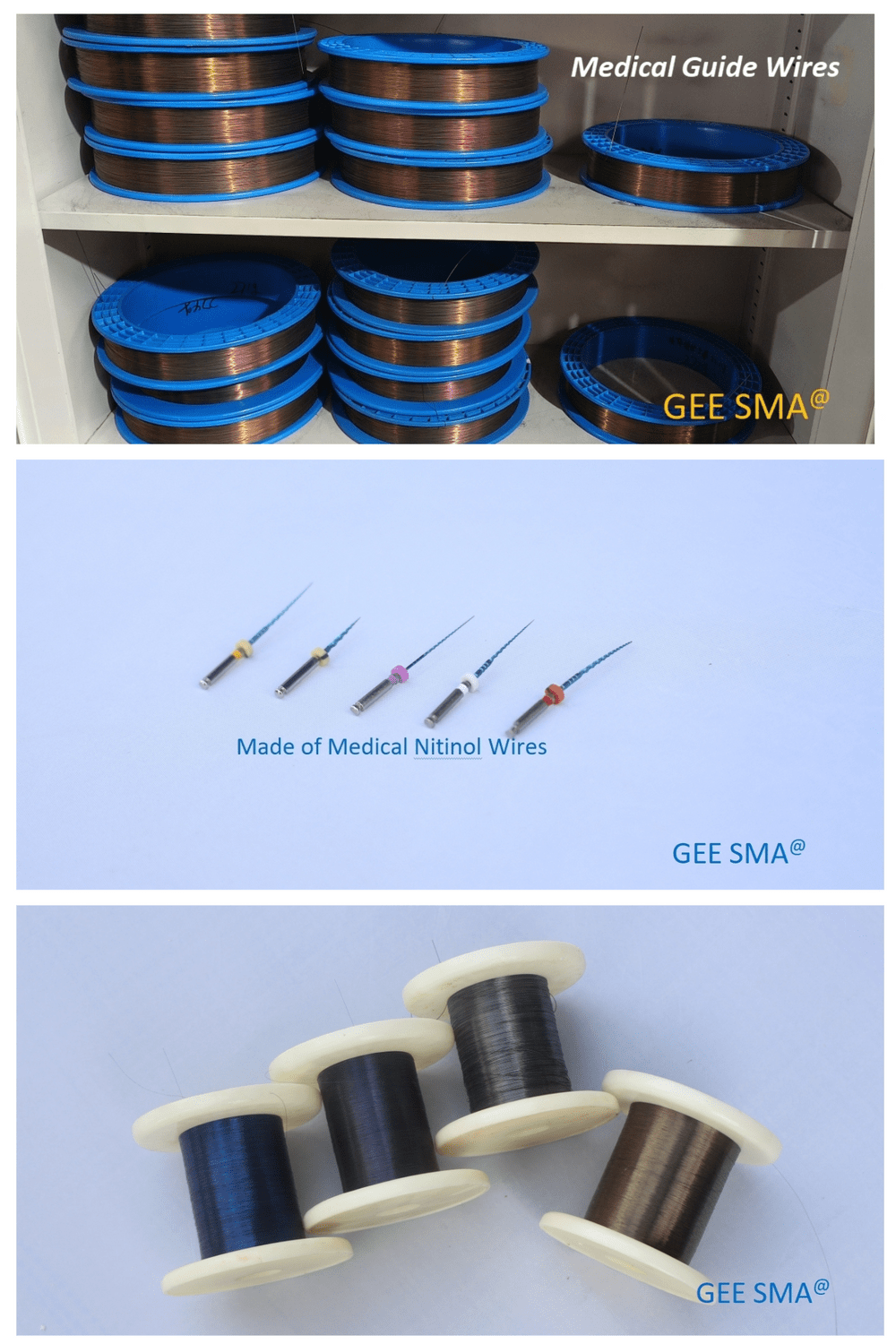
Nitinol K-wire is a remarkable medical device made from a nickel-titanium alloy known for its shape memory and superelastic properties. When inserted into the body, these wires can adapt to the shape of bones or tissues, providing stability while minimizing tissue irritation. Patients often ask, How long do K-wires stay in the wrist? because timing is crucial for healing and avoiding complications.
Understanding what is the meaning of nitinol wire helps clarify why these devices are so valued in orthopedic surgery. Unlike traditional steel wires, nitinol K-wire can bend without breaking and return to its original shape when needed, making it easier for surgeons to manipulate during procedures. This flexibility also influences how long do K-wires stay in the wrist—surgeons usually remove them after sufficient healing, but sometimes they remain longer depending on patient recovery.
The role of GEE SMA in manufacturing nitinol K-wires is pivotal; their high-quality alloys ensure consistent performance and durability. When considering what are the risks of K-wire fixation, it's important to note that improper placement or prolonged retention can lead to infection or tissue irritation. Therefore, knowing whether anesthesia is needed for K-wire removal becomes essential—most cases require local anesthesia due to minimal discomfort involved.
Defining Nitinol and Its Unique Shape Memory Properties
Nitinol is a unique alloy composed mainly of nickel and titanium that exhibits extraordinary shape memory capabilities. This means a nitinol wire can be deformed into one shape at low temperatures and then return to its original form when warmed—a property critical for many medical applications like nitinol k wire placement. Its ability to remember shapes makes it ideal for use in procedures where precise positioning matters; patients often wonder how long do K-wires stay in the wrist before removal.
The question What is the meaning of nitinol wire? often arises among patients curious about their implants' technology—it's essentially a superelastic material that adapts with body temperature changes. Because of this property, nitinol k wire provides stable fixation without causing excessive tissue trauma or irritation—a common concern about what are the risks of K-wire fixation? The versatility of this alloy allows surgeons to perform minimally invasive procedures with greater ease.
The Role of GEE SMA in Nitinol K-Wire Manufacturing
GEE SMA specializes in producing high-quality nitinol alloys used in various medical devices like nitinol k wires—they prioritize purity and consistency that directly impact surgical success rates. Their advanced manufacturing processes ensure that each wire maintains optimal superelasticity and shape memory behavior—a critical advantage when answering questions like how long do K-wires stay in the wrist? since proper material quality influences removal timing.
Manufacturers like GEE SMA play a vital role because their innovations improve how well these wires perform during fixation procedures—reducing complications linked to what are the risks of K-wire fixation? For example, better materials mean less tissue irritation over time, which could influence whether anesthesia is needed for K-wire removal—often patients prefer minimally invasive removals with local anesthesia.
How Nitinol K-Wires Differ from Traditional Steel Wires
Compared to traditional steel wires, nitinol k wires offer superior flexibility and resilience thanks to their shape memory properties—they bend easily without breaking but always return to their intended form when warmed by body heat or during removal procedures. This difference directly impacts how long do K-wires stay in the wrist: their adaptability allows surgeons more control over timing while minimizing damage risk.
When considering what are the risks of K-wire fixation?, using nitinol reduces potential complications such as migration or breakage because its superelastic nature maintains stability even under stress—something steel cannot match as effectively. Additionally, because these wires are more biocompatible than steel counterparts, they tend not to cause significant tissue irritation; hence, questions like Is anesthesia needed for K-wire removal? often lean toward minimal sedation options due to less trauma involved.
Common Uses and Applications in Orthopedics
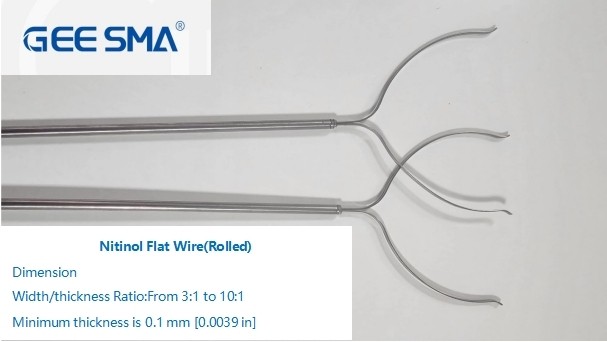
Nitinol K-wires have revolutionized orthopedic procedures, offering versatile solutions for various bone-related challenges. Their unique shape memory properties and biocompatibility make them ideal for fixing fractures, stabilizing pediatric bones, and performing delicate craniofacial or hand surgeries. Surgeons are increasingly turning to nitinol k wire because of its ability to adapt to complex anatomical structures while minimizing tissue irritation.
Fixation of Bone Fractures and Dislocations
When it comes to fixing bone fractures or dislocations, nitinol k wire stands out as a game-changer. Unlike traditional steel wires, a nitinol wire can bend without breaking, providing flexible yet stable fixation. Many surgeons ask, How long do K-wires stay in the wrist? because timing is crucial; typically, they remain in place until healing is sufficient—often several weeks—before removal. The durability combined with the shape memory properties ensures that the wire conforms perfectly to the bone's contours, reducing the risk of misalignment or movement that could jeopardize healing.
Pediatric Bone Stabilization Techniques
In pediatric cases, where bones are still growing and delicate tissues are involved, nitinol k wire offers significant advantages over conventional materials. Its high biocompatibility minimizes tissue irritation during use, which is vital when working with young patients’ sensitive tissues. Parents often inquire about risks associated with K-wire fixation—like infection or migration—and it's reassuring that nitinol's flexibility reduces these risks by conforming snugly within small bones. Additionally, questions such as Is anesthesia needed for K-wire removal? frequently arise; generally, removal is straightforward and may not require general anesthesia depending on patient age and comfort levels.
Application in Craniofacial and Hand Surgery
Craniofacial and hand surgeries demand precision and gentle handling of tiny bones—precisions where nitinol k wires excel due to their superior flexibility and shape memory capabilities. These wires can be inserted with minimal trauma and then gently removed once stabilization has been achieved; many wonder what is the meaning of nitinol wire? It refers to a nickel-titanium alloy known for returning to its original shape after deformation—a property invaluable in complex surgical reconstructions. Surgeons appreciate that these wires often eliminate the need for extensive hardware removal procedures later on because of their biocompatibility and adaptability.
This blend of versatility across applications underscores why understanding how long do K-wires stay in the wrist or other bones matters so much—timing influences outcomes significantly. Recognizing what are the risks of K-wire fixation helps ensure optimal patient care while knowing if anesthesia is needed for K-wire removal guides procedural planning effectively. Ultimately, mastering these aspects makes all the difference when employing this innovative material like the nitinol k wire in orthopedic practice.
Advantages of Nitinol K-Wires Over Conventional Materials
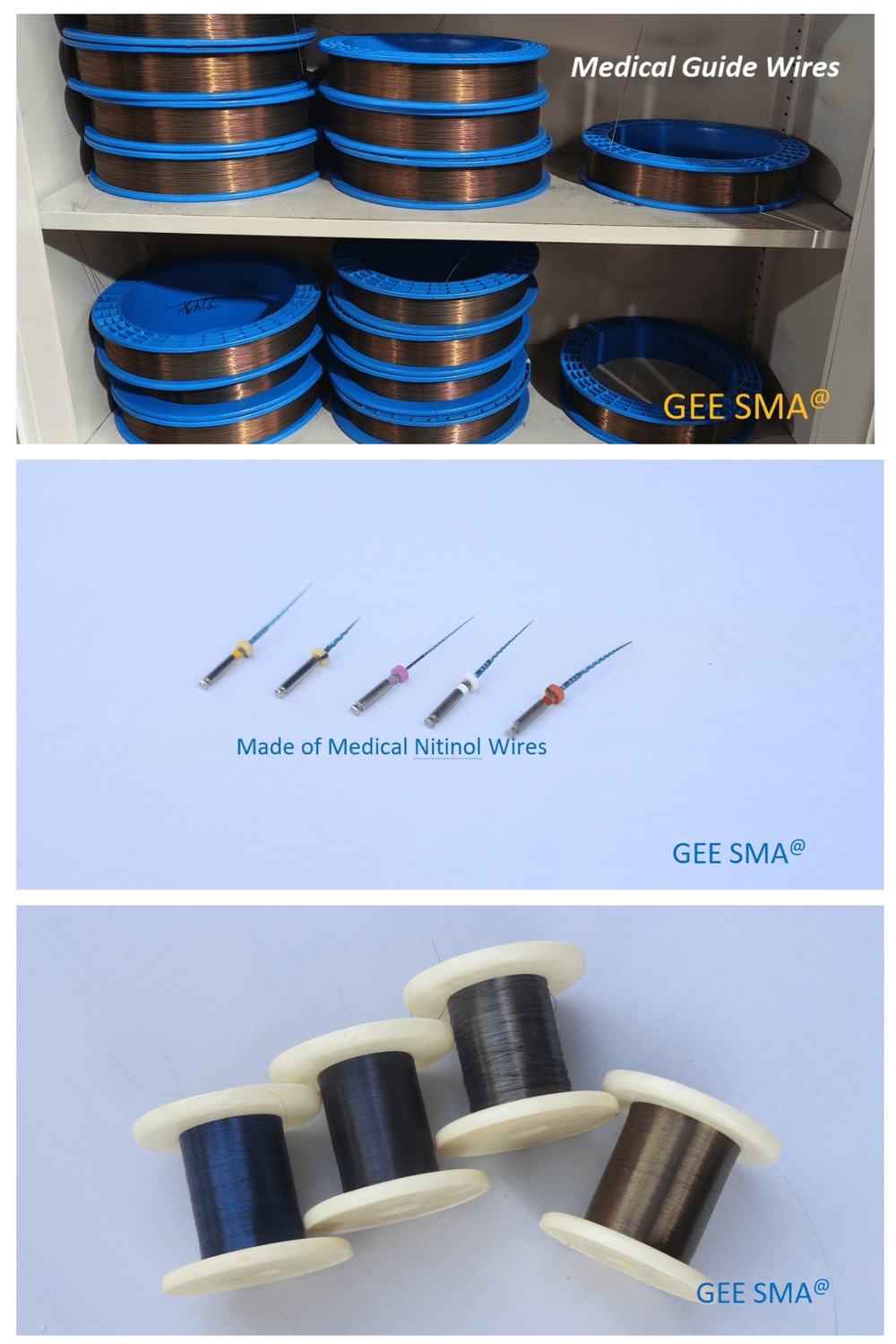
Nitinol K-wire stands out in the world of orthopedic hardware, thanks to its impressive combination of biocompatibility and functional benefits. Unlike traditional steel wires, a nitinol wire is less likely to provoke tissue irritation or allergic reactions, making it a safer choice for many patients. When considering how long do K-wires stay in the wrist or other bones, nitinol's properties help ensure the body tolerates these implants well, reducing complications and promoting smoother healing.
One of the most celebrated features of a nitinol k wire is its superior flexibility coupled with shape memory capabilities. This means that once inserted, it can adapt to the contours of bones and tissues without causing undue stress or discomfort. Curious about what is the meaning of nitinol wire? It refers to a shape memory alloy that can return to its original shape after deformation—perfect for stabilizing fractures while minimizing trauma. Knowing how long do K-wires stay in the wrist depends on various factors, but with nitinol's resilience, they often remain securely in place until removal is necessary.
The ability to precisely manipulate and remove K-wires without extensive surgical procedures enhances surgical outcomes significantly. What are the risks of K-wire fixation? While generally safe, improper management can lead to infection or migration; however, using a nitinol k wire reduces these risks thanks to its stability and compatibility. Is anesthesia needed for K-wire removal? Often not; many procedures are performed under local anesthesia because nitinol wires are easier to extract due to their shape memory properties. Overall, choosing a nitinol k wire means embracing advanced technology that offers both safety and convenience throughout treatment.
Key Considerations for K-Wire Management
Managing nitinol k wires effectively is crucial for optimal patient outcomes and minimizing complications. One of the most common questions is, How long do K-wires stay in the wrist? The duration varies depending on the injury and healing process, but typically, a nitinol k wire remains in place for about 4 to 6 weeks. Surgeons monitor healing progress closely and decide when it’s safe to remove the wire, ensuring that the bone has sufficiently stabilized.
Understanding what are the risks of K-wire fixation? While nitinol k wires are celebrated for their flexibility and shape memory properties, potential risks include infection, migration of the wire, or irritation at the insertion site. To minimize these risks, proper surgical technique and diligent post-operative care are essential; this includes timely removal and regular monitoring through imaging to prevent complications associated with prolonged retention.
When it comes to removing a K-wire, many patients wonder: is anesthesia needed for K-wire removal? Generally, removal of a nitinol k wire is performed under local anesthesia since it's minimally invasive and well-tolerated. However, in some cases—especially if multiple wires are involved or if patient anxiety exists—sedation or general anesthesia might be considered to enhance comfort during removal. Knowing what is the meaning of nitinol wire helps clarify why these procedures tend to be straightforward; its shape memory properties allow for easier extraction with less tissue trauma.
The Future of Nitinol Technology in Medicine
The evolution of nitinol K wires is poised to revolutionize many facets of medical treatment, thanks to the remarkable properties of shape memory alloys. Future innovations may include smarter, more adaptable nitinol K wires that can respond to physiological changes or deliver targeted therapy directly within the body. As research advances, understanding how long do K-wires stay in the wrist? will become increasingly refined, potentially leading to personalized timelines for removal based on patient-specific healing processes.
Looking ahead, the impact of GEE SMA’s high-quality nitinol materials on surgical outcomes cannot be overstated. These superior wires reduce risks of complications like infection or tissue irritation and make procedures smoother overall. When considering what are the risks of K-wire fixation?, high-quality nitinol K wire options help minimize issues such as migration or breakage, ensuring a safer healing journey for patients. As technology continues to improve, clinicians will have more confidence in deploying these advanced materials with predictable results.
Beyond traditional uses, emerging applications beyond orthopedics are beginning to surface thanks to nitinol's unique capabilities. For example, researchers are exploring how nitinol wire can be used in minimally invasive surgeries or even in cardiovascular devices. This opens exciting possibilities for what is the meaning of nitinol wire?—it’s not just a flexible metal but a versatile tool that can shape itself and adapt across various medical fields while maintaining safety and efficacy.
Conclusion
Nitinol K-wires have revolutionized modern surgery by offering a blend of flexibility, shape memory, and biocompatibility that traditional wires simply can't match. Their ability to adapt to complex anatomical structures and facilitate minimally invasive procedures underscores their importance in orthopedic and craniofacial surgeries. As technology advances, understanding the nuances of how long do K-wires stay in the wrist? and what are the risks of K-wire fixation? will become essential for optimizing patient outcomes.
The Significance of Nitinol K-Wires in Modern Surgery
The advent of nitinol k wire has marked a significant leap forward in surgical innovation, especially given their unique properties like shape memory and superelasticity. These features allow surgeons to perform more precise fixation with less tissue irritation, which is crucial when considering how long do K-wires stay in the wrist? or other bones. Nitinol's resilience also reduces complications related to wire migration or breakage, making it a game-changer in managing complex fractures.
Critical Factors for Successful K-Wire Use and Removal
Knowing what are the risks of K-wire fixation? is vital for both surgeons and patients; improper management can lead to infections or nerve damage if wires are left too long or removed prematurely. When considering whether anesthesia is needed for K-wire removal?, it's important to understand that many cases can be done under local anesthesia, but patient comfort remains a priority. Proper timing—how long do K-wires stay in the wrist?—and meticulous surgical technique ensure optimal healing while minimizing potential complications associated with nitinol k wire.
How Nitinol's Unique Properties Shape Future Medical Advancements
The meaning of nitinol wire extends beyond its basic composition; it embodies innovation driven by shape memory alloys capable of transforming surgical approaches across disciplines. As research continues into how long do K-wires stay in various bones, new applications leveraging nitinol's properties emerge, such as smart implants that adapt over time or biodegradable options reducing removal procedures altogether. The ongoing evolution promises a future where nitinol k wire technology could redefine standards for minimally invasive surgeries worldwide.