

Why is nitinol used in medical devices when stainless steel, cobalt alloys, and polymers are already available? The practical answer is not simply that nitinol is flexible. It can occupy one mechanical state during delivery and another during service. That change lets an engineer place a compact component through a constrained path, release it, and recover useful geometry or force. The benefit is real only when alloy condition, processing, surface, and testing support the complete device cycle.
The Material Solves a Sequence, Not a Single Load Case
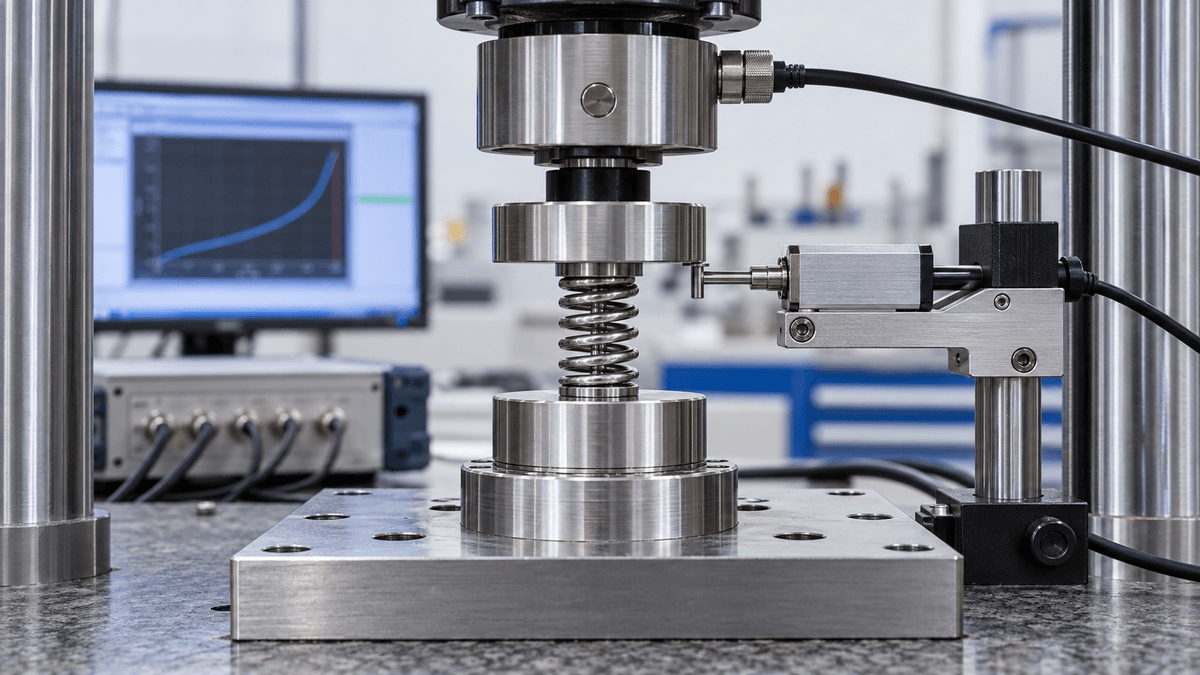
A minimally invasive component may be straightened, compressed, folded, or restrained before use. During deployment it passes through curvature and contact. In service it may recover, push against anatomy, and experience millions of small motion cycles. Nitinol is valuable because stress-induced transformation can accommodate substantial recoverable deformation, while thermal shape memory can provide controlled recovery in suitable designs. FDA's nitinol guidance emphasizes that this thermomechanical behavior is processing-sensitive and must be assessed in the context of the finished device.
This is why a design team should define the delivery strain, deployment temperature, recovered geometry, service load, and expected cycle count together. GEE SMA's transformation-temperature and superelastic data help connect material state to the temperature at which the component is actually used.
Recovery Creates Useful Geometry After Constrained Delivery
Superelastic nitinol can recover from bending that would permanently set many conventional metals. That capability supports guidewire cores, baskets, frames, filters, and other components that must travel through a small path and then resume a functional form. Shape memory behavior offers a different route: a trained geometry can return as temperature crosses the transformation range.
The choice is not interchangeable. A room-temperature assembly test can misrepresent a body-temperature service condition if the phase state changes between those temperatures. GEE SMA's nitinol wire options include delivery conditions and surface choices that allow the buyer to match downstream forming and testing plans rather than ordering by chemistry alone.
Constant Force Can Be More Valuable Than Maximum Strength
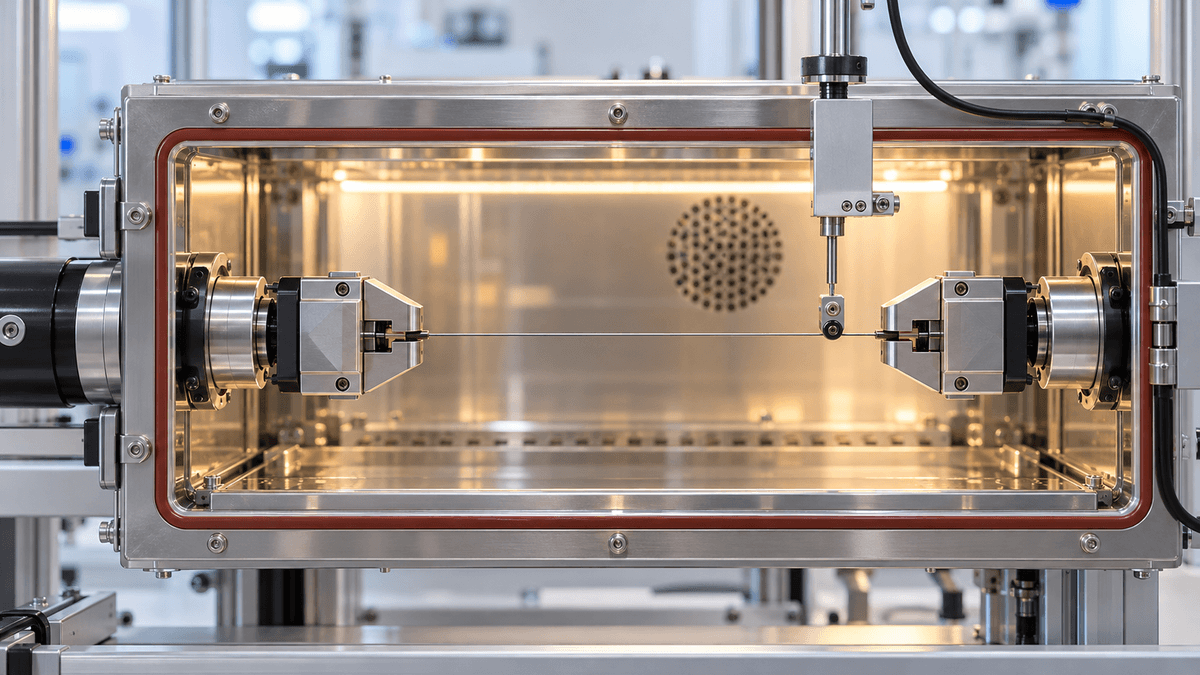
Many medical components need a controlled force over a useful displacement, not the highest possible stiffness. A superelastic plateau can reduce the force change as geometry moves through part of its working range. This can help with trackability, apposition, retrieval, and compliant support. The correct plateau level depends on temperature, cold work, heat treatment, cross-section, and prior cycling.
Consequently, tensile strength alone is an incomplete acceptance criterion. Engineers should request representative stress-strain behavior at the relevant temperature and in the relevant processed condition. For complex paths, GEE SMA's custom wire forming capability is relevant because geometry and heat treatment jointly establish the response.
Fatigue Performance Begins at the Surface
Recoverable strain does not eliminate fatigue. Published rotary-bend research on medical-grade nitinol shows that strain level, inclusions, surface condition, and very high cycle counts can all affect failure. Local scratches, oxide defects, tool marks, and sharp geometric transitions can become initiation sites. The device's actual strain distribution therefore matters more than a generic statement that nitinol has good fatigue resistance.
Surface requirements should follow the complete manufacturing route. GEE SMA product notes distinguish black oxide, light oxide, and mechanically polished wire conditions. A buyer should specify which condition is expected at receipt and which operations will occur later. GEE SMA's surface and traceability controls reinforce the need to tie inspection evidence to the delivered coil and process state.
Material Compliance Does Not Equal Device Qualification
ASTM F2063 addresses wrought nickel-titanium material for medical devices, but the current scope explicitly separates mill product from a finished device's final shape, finish, and properties. That boundary is essential. Chemistry and mill-product compliance establish a foundation; they do not qualify laser cutting, forming, joining, polishing, cleaning, sterilization, or the final fatigue condition.
A sound program keeps these layers separate: incoming material specification, conversion-process controls, finished-component verification, and device-level validation. GEE SMA's material-to-device boundary supports this distinction without turning a raw-material certificate into a clinical claim.
A Better Material Request Starts With the Device Window
Before requesting samples, define product form, dimensions and tolerances, straight or coiled delivery, cold-drawn or straight-annealed condition, target transformation behavior, use temperature, surface condition, required test method, and packaging. Add the intended forming and thermal steps because they can alter the final response. If the component will cycle, include realistic mean strain, alternating strain, environment, and target cycles in the development plan.
The reason nitinol is used in medical devices is therefore specific: it can bridge constrained delivery and functional service in a way few metals can. The engineering task is to preserve that advantage through the full process chain. GEE SMA's range of nitinol material forms gives development teams a practical starting point for selecting wire, sheet, tube, spring, or custom components.