

Introduction

In the realm of modern engineering, the concept of shape memory alloys (SMAs) stands out as a remarkable innovation that combines material science with practical applications. These unique materials possess the extraordinary ability to return to a predetermined shape when subjected to specific thermal conditions, making them invaluable in various fields. Among their many uses, shape memory actuators have emerged as key components in smart structures, offering dynamic responses to environmental stimuli.
Understanding Shape Memory Alloys
Shape memory alloys are metallic materials that exhibit a fascinating transformation mechanism, allowing them to remember their original form after deformation. This property is primarily attributed to their unique crystalline structure, which changes when heated or cooled—an effect often referred to as the shape memory effect. One popular example of a shape memory alloy is Nitinol, an alloy of nickel and titanium known for its exceptional elasticity and responsiveness, making it ideal for applications ranging from medical devices to aerospace engineering.
The Role of Actuators in Smart Structures
Actuators play a pivotal role in the functionality of smart structures by converting energy into motion or force through various mechanisms. In this context, shape memory actuators utilize the properties of SMAs to create precise movements and adjustments within systems that require adaptability and resilience. As these structures evolve towards greater integration with technology, understanding how these innovative actuators work becomes crucial for engineers aiming to enhance performance and reliability.
Overview of Memory Metals
Memory metals are a subset of materials that include shape memory alloys and possess the ability to change shapes based on temperature variations or applied stress. These metals are not only used in traditional fields but have also found their way into cutting-edge technologies such as robotics and automation systems due to their lightweight nature and high strength-to-weight ratio. With advancements in manufacturing techniques, such as 3D printing with SMA wire actuators, the future looks promising for integrating memory metal actuators into even more sophisticated applications.
The Science Behind Shape Memory Alloys
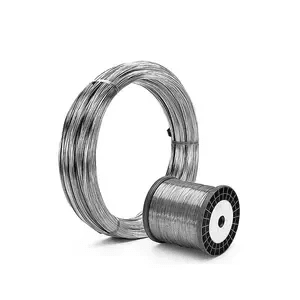
Shape memory alloys (SMAs) are fascinating materials that exhibit a unique ability to return to a predefined shape when subjected to certain temperatures. This remarkable property is harnessed in applications ranging from aerospace engineering to robotics, where precise movements are crucial. Understanding the science behind these materials is essential for leveraging their capabilities effectively, particularly in the design and implementation of shape memory actuators.
The Transformation Mechanism
The heart of the shape memory alloy's functionality lies in its transformation mechanism, which involves two main phases: austenite and martensite. In simpler terms, when a shape memory alloy wire actuator is heated above its transformation temperature, it shifts from the martensite phase (a more malleable state) to the austenite phase (a more rigid structure). Conversely, cooling it down allows it to revert back to martensite, enabling these memory metal actuators to perform tasks like bending or contracting with remarkable precision.
This transformation is not just about temperature; it also depends on stress conditions applied during the transition. For instance, if you apply mechanical stress while in the martensitic state and then heat it up, the SMA will remember this altered shape even after cooling down. This unique duality makes SMAs incredibly versatile and reliable components for various engineering applications.
Types of Shape Memory Alloys
There are several types of shape memory alloys available today, with Nitinol being one of the most well-known due to its exceptional properties and performance characteristics. Nitinol comprises nickel and titanium and is particularly favored for its high fatigue resistance and biocompatibility—making it ideal for medical devices like stents or guidewires that utilize shape memory actuators for movement within the body.
Other types include copper-based SMAs, which tend to be less expensive but may not offer the same level of performance as Nitinol. Each type has its own set of advantages depending on application requirements; for example, some may excel in high-temperature environments while others may be better suited for low-cost consumer products utilizing simple memory metal actuators. Understanding these variations helps engineers select the right material for their specific needs.
Benefits of Using Shape Memory Alloys
The benefits of using shape memory alloys extend beyond their intriguing transformation properties; they offer significant advantages over traditional actuator technologies such as piezoelectric actuators. For starters, SMAs can produce larger displacements than piezoelectric counterparts while maintaining simplicity in design—often requiring fewer components overall which translates into reduced weight and cost.
Moreover, shape memory alloy wire actuators provide excellent energy efficiency since they consume power only during actuation rather than continuously maintaining a position like many electric motors do. This quality makes them ideal candidates for applications where battery life or energy conservation is critical—think aerospace systems or medical devices that rely on compact designs without sacrificing functionality.
In summary, incorporating SMAs into various engineering fields can enhance performance while minimizing costs—a win-win scenario that continues driving innovation across industries eager to harness these remarkable materials' full potential.
Shape Memory Actuators in Engineering

Shape memory actuators are revolutionizing the engineering landscape, particularly in aerospace and automotive applications. These innovative devices utilize shape memory alloys (SMAs) to convert thermal energy into mechanical work, allowing for precise movements and adjustments. From controlling flaps on aircraft wings to adjusting seat positions in cars, the versatility of shape memory alloy wire actuators is becoming increasingly evident.
Applications in Aerospace and Automotive
In the aerospace sector, shape memory actuators play a crucial role in enhancing performance and safety. For instance, engineers employ these smart devices to control wing morphing mechanisms that optimize aerodynamics during flight, improving fuel efficiency and overall aircraft performance. Similarly, within the automotive industry, memory metal actuators are being integrated into systems such as active suspension and adaptive headlights, offering drivers enhanced comfort and safety.
Automakers are also exploring the potential of piezoelectric actuators alongside shape memory alloy technologies. While piezoelectric actuators provide rapid response times for small adjustments, SMAs offer larger displacement capabilities with less complexity. This combination allows for innovative solutions that can adapt to various driving conditions while reducing weight—an essential factor in modern vehicle design.
Innovations in Robotics
The realm of robotics is witnessing a surge of creativity powered by shape memory alloys. These materials' unique properties enable robots to perform complex tasks with remarkable agility and adaptability. For example, researchers are developing soft robotic grippers that mimic biological movements using shape memory alloy wire actuators; this allows them to handle delicate objects without causing damage.
Moreover, advancements in SMA technology have led to the creation of robots capable of navigating challenging environments by utilizing their ability to change shapes dynamically. This adaptability is critical for search-and-rescue missions or exploration tasks where traditional rigid robots may struggle. The integration of these smart materials not only enhances functionality but also reduces energy consumption compared to conventional motors.
Case Study: GEE SMA's Contributions
GEE SMA has positioned itself at the forefront of innovations involving shape memory actuators across various industries. Their cutting-edge research focuses on optimizing the efficiency and effectiveness of these devices through novel material compositions and designs tailored for specific applications. One notable project involved developing a new generation of shape memory metal actuators for use in aerospace systems that enhance reliability while minimizing weight—critical factors for flight safety.
Additionally, GEE SMA's commitment to sustainability has led them to explore environmentally friendly manufacturing processes for their shape memory alloys, further solidifying their reputation as industry leaders in innovation. By pushing the boundaries of what’s possible with SMAs, they continue to inspire engineers worldwide looking for smarter solutions across multiple sectors—from automotive enhancements to advanced robotics.
Comparing Actuator Technologies

When it comes to actuator technologies, the debate often boils down to two heavyweights: shape memory alloys (SMAs) and piezoelectric actuators. Each has its unique strengths and weaknesses, making them suitable for different applications. Understanding these differences is crucial for engineers and designers aiming to optimize performance in smart structures.
Shape Memory Alloy vs. Piezoelectric Actuators
Shape memory alloy actuators and piezoelectric actuators operate on fundamentally different principles, leading to distinct characteristics in their performance. Shape memory alloys, particularly those made from nickel-titanium (Nitinol), exhibit a remarkable ability to return to their original shape when heated, providing a powerful actuation mechanism. In contrast, piezoelectric actuators convert electrical energy into mechanical movement through the deformation of certain materials under an electric field, which allows for rapid response times but often at the expense of larger energy consumption.
The operational range also sets these two types apart; shape memory alloy wire actuators generally offer larger displacement compared to piezoelectric counterparts, making them ideal for applications requiring significant movement. However, piezoelectric actuators shine in precision tasks where minute adjustments are necessary. This fundamental difference means that while SMAs excel in scenarios demanding strength and resilience, piezoelectrics are preferred for applications requiring finesse.
Advantages of Memory Metal Actuators
Memory metal actuators bring several advantages that make them appealing in various engineering domains. One key benefit is their ability to generate substantial force with relatively low power consumption; this is particularly advantageous in battery-operated devices or remote applications where energy efficiency is paramount. Additionally, shape memory alloys can undergo large strains without permanent deformation—an impressive feat that enhances their durability over time compared to traditional actuator technologies.
Another notable advantage lies in their simplicity of design; shape memory alloy wire actuators typically consist of fewer components than many other actuator types, reducing potential points of failure and maintenance needs. Furthermore, they can operate effectively across a wide temperature range without compromising performance—a feature not always guaranteed with piezoelectric systems that may require specific environmental conditions for optimal function. These benefits position memory metal actuators as a robust choice for innovative engineering solutions.
Performance Metrics and Considerations
When evaluating actuator technologies like shape memory alloy and piezoelectric systems, various performance metrics come into play—each critical for determining suitability based on application requirements. Key metrics include actuation speed, displacement capacity, energy efficiency, and operational lifespan; each plays a pivotal role in assessing overall effectiveness within specific contexts like aerospace or automotive engineering.
For instance, while shape memory alloy wire actuators might lag behind piezoelectrics regarding actuation speed due to thermal activation requirements, they compensate with much greater displacement capabilities—ideal for heavy-duty tasks needing substantial movement rather than quick adjustments alone. Energy efficiency also varies significantly between the two technologies; SMAs often outperform due to their passive operation mode when not actively engaged.
Ultimately, selecting between a shape memory actuator or a piezoelectric actuator hinges on understanding these metrics concerning the intended application’s demands—ensuring engineers can make informed decisions tailored to innovation-driven projects.
Integration with Smart Structures
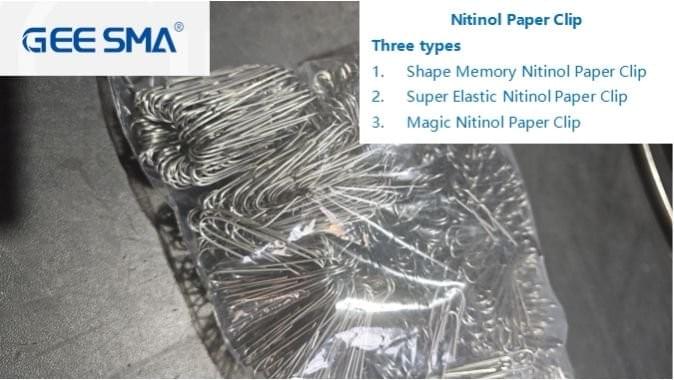
The integration of shape memory actuators into smart structures is revolutionizing the way we think about engineering and design. These innovative systems harness the unique properties of shape memory alloys, allowing for dynamic responses to environmental changes. As we explore this integration, we’ll delve into essential design considerations, enhancements in structural health monitoring, and real-world examples that showcase the potential of these technologies.
Design Considerations for Smart Systems
When designing smart systems that incorporate shape memory alloy wire actuators, several key considerations come into play. First and foremost is the actuator's response time; designers must ensure that the shape memory actuator can react swiftly to stimuli for effective performance. Additionally, compatibility with existing materials and structures is crucial; a seamless integration enhances overall functionality while minimizing potential failures.
Another vital aspect is energy efficiency; unlike traditional piezoelectric actuators, which can be power-hungry, shape memory metal actuators often require less energy to operate effectively. This characteristic not only promotes sustainability but also reduces operational costs in the long run. Lastly, engineers must consider thermal management since shape memory alloys rely on temperature changes to trigger their transformation—effective heat dissipation mechanisms are essential to maintain optimal performance.
Enhancing Structural Health Monitoring
Shape memory alloys offer significant advancements in structural health monitoring (SHM), transforming how we assess and maintain infrastructure integrity. By integrating shape memory actuators into critical structures like bridges or buildings, engineers can create systems capable of self-diagnosis and repair—an impressive leap forward in proactive maintenance strategies. These smart systems can detect stress or deformation in real-time and respond accordingly by adjusting their shapes or positions.
Moreover, using a combination of sensors alongside these memory metal actuators allows for comprehensive data collection on structural conditions over time. The ability to monitor parameters such as strain or temperature provides invaluable insights into potential issues before they escalate into costly repairs or failures. With this level of responsiveness and adaptability, it's no wonder that many industries are keenly exploring how these technologies can enhance safety and longevity.
Real-World Examples of Integration
Several notable projects highlight the successful integration of shape memory alloy technology within smart structures across various industries. For instance, researchers at a leading aerospace company have developed wing flaps employing shape memory alloy wire actuators that adjust automatically based on flight conditions—enhancing aerodynamic efficiency while reducing fuel consumption significantly. This innovative application showcases how smart materials can optimize performance without compromising safety.
In another example from civil engineering, a major bridge retrofit utilized memory metal actuators to control vibrations caused by traffic loads and environmental factors like wind or earthquakes. The bridge's ability to adapt dynamically ensures passenger safety while prolonging its lifespan—a true testament to modern engineering capabilities! Such implementations not only demonstrate the versatility of shape memory alloys but also pave the way for future innovations across multiple sectors.
Future Trends and Innovations
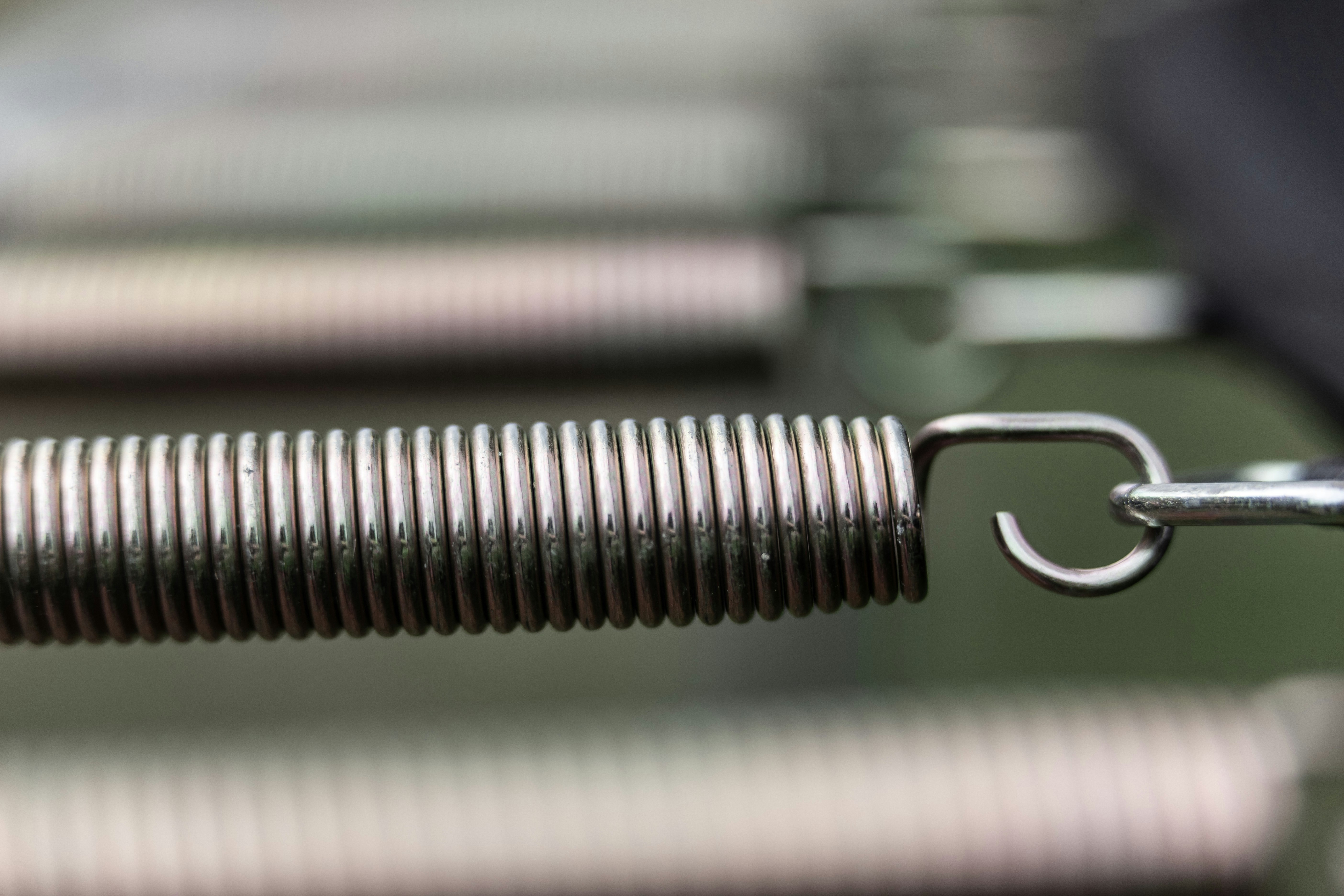
The future of shape memory alloys (SMAs) is not just bright; it's positively dazzling with innovation. As technology advances, the versatility and applications of shape memory actuators are set to explode, especially in industries where precision and adaptability are paramount. From aerospace to robotics, the potential for these materials to revolutionize engineering practices is immense.
Advances in Nitinol Shape Memory Alloys
Nitinol, a nickel-titanium alloy known for its unique shape memory properties, is undergoing significant advancements that promise to enhance its performance as a shape memory actuator. Researchers are exploring new compositions and processing techniques that can improve the thermal response and fatigue resistance of nitinol wires. These enhancements could lead to more efficient shape memory alloy wire actuators that can operate under extreme conditions while maintaining their remarkable functionality.
Moreover, the integration of advanced manufacturing techniques like 3D printing is paving the way for custom-designed nitinol components tailored for specific applications. This means we could soon see bespoke solutions in robotics or biomedical devices where a precise fit and function are crucial. With ongoing research into hybrid systems combining nitinol with other materials, the future looks promising for more versatile and powerful memory metal actuators.
The Role of GEE SMA in Future Developments
GEE SMA is positioning itself at the forefront of innovation within the realm of shape memory alloys by continually pushing boundaries in actuator technology. Their commitment to research has led to breakthroughs that enhance both the efficiency and responsiveness of their shape memory actuators. By focusing on developing next-generation SMAs with improved energy conversion capabilities, GEE SMA aims to redefine what’s possible in smart structures.
Additionally, GEE SMA’s active participation in collaborative projects brings together experts from various fields to explore novel applications for their products. This synergy not only accelerates innovation but also ensures that their solutions meet real-world challenges effectively. As they expand their portfolio with cutting-edge technologies like smart sensors integrated into their actuators, GEE SMA remains a leader in shaping the future landscape of engineering.
Potential Applications to Watch
The potential applications for shape memory alloy technology are vast and varied, making it an exciting field to keep an eye on! One area ripe for exploration is medical devices; imagine stents made from advanced shape memory alloys that adapt dynamically within the body based on physiological changes—truly revolutionary! Similarly, aerospace industries are looking at lightweight structures utilizing SMAs that can change form during flight for enhanced aerodynamics.
In robotics, we may soon witness robots equipped with sophisticated shape memory alloy actuators capable of mimicking human movements more fluidly than ever before. These innovations could lead not only to more efficient machines but also safer interactions between humans and robots as they become increasingly responsive and adaptable through advanced control systems involving piezoelectric actuators as well. With so many possibilities on the horizon, it’s clear that we’re just scratching the surface when it comes to what these remarkable materials can achieve!
Conclusion
In wrapping up our exploration of shape memory alloys and their pivotal role in actuator technology, it's clear that these materials are not just a passing trend; they represent a significant leap forward in engineering innovation. The unique properties of shape memory alloys, particularly when utilized in shape memory actuators, offer unparalleled advantages for various applications, from aerospace to robotics. As we look toward the future, the integration of these memory metal actuators into smart structures promises to redefine how we approach design and functionality.
Key Benefits of Shape Memory Alloys
One of the most compelling benefits of shape memory alloys is their ability to return to a predetermined shape when subjected to specific temperature changes. This property allows for the creation of highly efficient shape memory alloy wire actuators that can perform tasks with precision and minimal energy consumption. Furthermore, compared to traditional piezoelectric actuators, memory metal actuators boast greater flexibility and adaptability, making them ideal for dynamic environments where performance is critical.
Another advantage lies in their lightweight nature and corrosion resistance, which are essential attributes for applications in demanding fields like aerospace and automotive engineering. The durability of shape memory alloys means they can withstand harsh conditions without compromising functionality or safety. Additionally, their ease of integration into existing systems enhances their appeal as a reliable choice for engineers seeking innovative solutions.
The Future of Actuators in Smart Structures
As smart structures evolve, the demand for advanced actuator technologies will continue to grow. Shape memory actuators are poised to play a crucial role in this evolution by enabling more responsive and adaptive systems that can react seamlessly to environmental changes or user inputs. Innovations such as integrating these actuators with sensors will enhance structural health monitoring capabilities, ensuring that buildings and vehicles maintain optimal performance over time.
Looking ahead, we can expect further advancements in materials science that will enhance the properties of shape memory alloys even further. These developments may lead to new types of memory metal actuators with improved efficiency and responsiveness under varying conditions. The potential applications are vast—from self-healing materials that respond automatically to damage to robotic systems capable of mimicking biological movements more effectively than ever before.
Why GEE SMA is a Leader in Innovation
GEE SMA stands out as a leader in the field due to its commitment to pushing the boundaries of what is possible with shape memory alloy technology. Their continuous investment in research and development has led them to create cutting-edge solutions that leverage the unique properties of both traditional and novel alloys for various applications across industries. By focusing on quality and innovation, GEE SMA has positioned itself at the forefront of actuator technology.
Moreover, GEE SMA's dedication extends beyond mere product development; they actively collaborate with engineers and researchers worldwide to integrate their solutions into real-world projects effectively. This collaborative spirit ensures that GEE SMA remains responsive not only to market demands but also anticipates future trends within smart structures—making them an invaluable partner for those looking at long-term success in actuator technology deployment.
In conclusion, as we embrace an era defined by technological advancement and intelligent design principles, it's evident that shape memory alloy-based actuation will be instrumental in shaping our future landscapes—both literally and figuratively.