

Introduction
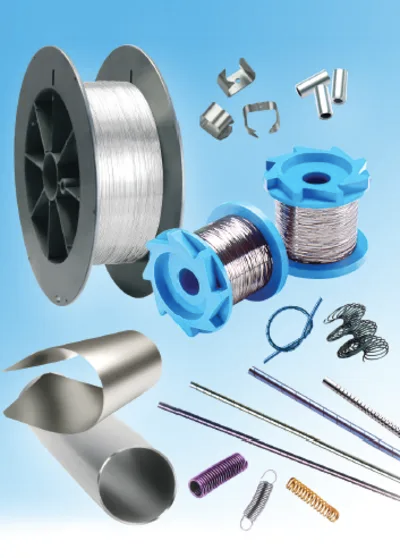
Shape memory alloys (SMAs) are nothing short of a marvel in the realm of materials science, blending unique properties with versatile applications. These remarkable materials can return to a predetermined shape when subjected to specific thermal conditions, which has led to an explosion of creativity in engineering and design. Understanding the magic of shape memory alloys opens up a world where innovation meets practicality, making them essential in various fields.
Understanding the Magic of Shape Memory Alloys
At their core, shape memory alloys are metallic materials that have the extraordinary ability to remember their original shapes. When deformed at lower temperatures, they can revert back to their initial form upon heating—this phenomenon is what makes SMAs so captivating. The question What are shape memory alloys used for? is answered through their unique thermal and mechanical properties that allow them to perform tasks that conventional materials simply cannot.
The Journey of Shape Memory Alloys
The journey of shape memory alloys began decades ago with the discovery of Nitinol, an alloy composed mainly of nickel and titanium. Initially developed for military applications, SMAs have since evolved into crucial components across diverse sectors including aerospace, medicine, and automotive industries. As we explore further into what products are made from shape memory alloys, it becomes clear that their journey is intertwined with groundbreaking advancements in technology.
Why Shape Memory Alloys Matter
Understanding why shape memory alloys matter involves recognizing their potential to revolutionize everyday products and engineering applications alike. From medical devices that adapt dynamically within the human body to aerospace innovations enhancing flight efficiency, SMAs play a pivotal role in modern technology. As we delve deeper into what are the uses of SMAs and how they contribute to our lives today, it's evident that these remarkable materials hold the key to future innovations.
What Are Shape Memory Alloys?
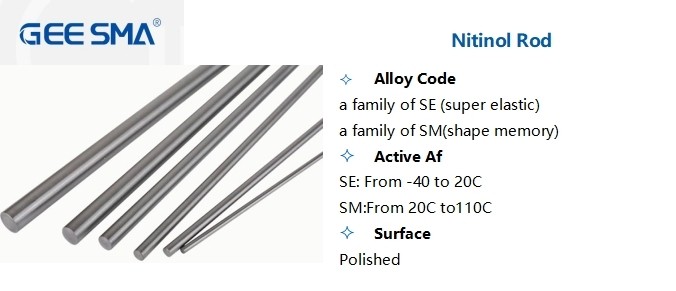
Shape memory alloys (SMAs) are a fascinating class of materials that can remember their original shape when subjected to specific thermal conditions. These unique materials undergo a transformation in their crystalline structure, allowing them to revert to a predetermined shape after deformation. The ability of shape memory alloys to return to their original form makes them invaluable in various engineering applications, leading many to wonder, what are shape memory alloys used for?
Defining Shape Memory Alloys
At the heart of the definition of shape memory alloys is their remarkable ability to undergo significant deformation and then recover their original geometry upon heating or cooling. This phenomenon occurs due to the phase transformation between two solid states: martensite and austenite. By understanding what products are made from shape memory alloys, we can appreciate their versatility across multiple industries.
The term shape memory refers not only to the material's capacity for recovery but also highlights its potential applications in engineering and design. From medical devices that adapt within the human body to aerospace components that respond dynamically during flight, SMAs offer innovative solutions across various fields. As we explore further into what are the engineering applications of shape memory alloys, it becomes clear that these materials hold transformative potential.
Unique Properties of SMAs
What sets shape memory alloys apart from conventional materials is their unique properties, which include superelasticity and thermal-induced phase changes. Superelasticity allows SMAs to undergo large strains without permanent deformation when they are above a certain temperature threshold, making them incredibly useful in dynamic environments. Additionally, this property enables engineers and designers alike to harness these materials' capabilities for diverse applications.
Another noteworthy characteristic is the ability of SMAs to operate in extreme environments while maintaining functionality—an essential factor when considering what are the uses of SMAs in aerospace or medical fields where reliability is paramount. Their lightweight nature combined with high strength-to-weight ratios makes them ideal candidates for products ranging from self-expanding stents in medicine to deployable structures in space exploration missions.
With such unique properties at play, it’s no wonder that industries continue exploring innovative ways to incorporate SMAs into new technologies and products designed for everyday use.
Overview of Nitinol and Its Characteristics
Nitinol is perhaps the most well-known type of shape memory alloy, composed primarily of nickel and titanium—hence its name (Nickel Titanium Naval Ordnance Laboratory). This alloy exhibits both superelasticity and shape memory effects within specific temperature ranges, making it an exceptional choice for various applications where adaptability is key. When discussing what products are made from shape memory alloys like Nitinol, one cannot overlook its role in medical devices such as guidewires or stents.
One striking feature of Nitinol is its biocompatibility; this quality ensures that it can be safely used within the human body without adverse reactions—a critical consideration given its numerous medical applications. Furthermore, Nitinol's flexibility allows manufacturers greater freedom when designing complex shapes needed for intricate devices or components while still adhering to rigorous safety standards.
In summary, understanding Nitinol's characteristics helps illuminate why this particular SMA has gained prominence across multiple sectors—from healthcare advancements through innovative treatments all the way up into space technology where reliability under extreme conditions remains vital!
The Engineering Applications of Shape Memory Alloys

Shape memory alloys (SMAs) are revolutionizing various engineering fields with their unique properties and capabilities. From aerospace to medicine and automotive innovations, the versatility of SMAs is remarkable. Understanding what shape memory alloys are used for reveals their immense potential in transforming industries and enhancing everyday life.
Aerospace Innovations with SMAs
In the aerospace industry, shape memory alloys are making significant strides by enabling lightweight designs that do not compromise strength or functionality. These materials can adapt to changing temperatures and mechanical stresses, making them ideal for applications like actuators in aircraft wings or satellite structures. With a focus on reducing weight while increasing efficiency, engineers are turning to SMAs to revolutionize how we approach flight technology.
One fascinating application involves using shape memory alloy actuators that can change wing shapes during flight, optimizing aerodynamics for fuel efficiency. As we explore what products are made from shape memory alloys in aerospace, it’s clear that these innovations lead not only to better performance but also contribute to sustainability efforts in aviation. The engineering applications of shape memory alloys continue to expand as new technologies emerge.
Medical Devices Utilizing Shape Memory Alloys
The medical field has embraced shape memory alloys due to their biocompatibility and unique properties that enhance patient care. From stents that expand upon reaching body temperature to surgical tools that adapt during procedures, SMAs offer a range of innovative solutions for healthcare professionals. What are the uses of SMAs in medicine? They provide less invasive options while improving recovery times for patients.
For instance, nitinol—a prominent type of SMA—has transformed cardiac surgery by allowing doctors to deploy stents with precision through minimally invasive techniques. This capability not only reduces patient trauma but also leads to quicker recoveries and improved outcomes overall. As we delve deeper into what shape memory alloys are used for within medical devices, it's clear they play a pivotal role in advancing healthcare technology.
Automotive Advancements Through SMAs
In the automotive sector, the integration of shape memory alloys is driving advancements toward smarter vehicles with enhanced safety features and performance efficiencies. Engineers utilize SMAs in applications such as adaptive seat belts and self-repairing materials that respond dynamically during accidents or harsh conditions. The question arises: what products are made from shape memory alloys? The answer includes everything from engine components designed for optimal thermal management to innovative suspension systems.
Moreover, automotive manufacturers leverage these materials’ ability to return to a predetermined shape after deformation—ideal for parts exposed to high stress or impact forces. By incorporating SMAs into vehicle design, companies can create lighter cars without sacrificing safety or durability while exploring new engineering applications of shape memory alloys across the board. This trend towards innovation is set only to grow as more automakers recognize the benefits offered by these remarkable materials.
What Products Are Made from Shape Memory Alloys?

Shape memory alloys (SMAs) have found their way into a myriad of products, showcasing their versatility and innovative potential. From everyday items to specialized tools, the applications of SMAs are as diverse as they are fascinating. Let’s dive into some of the most exciting products that leverage the unique properties of these remarkable materials.
Consumer Electronics Incorporating SMAs
In the realm of consumer electronics, shape memory alloys are making waves with their ability to enhance functionality and design. Imagine a smartphone that can self-repair minor dents or scratches—thanks to SMAs, this is becoming a reality! These materials are used in components like flexible connectors and actuators, allowing for more durable devices that can withstand everyday wear and tear while maintaining sleek designs.
What are shape memory alloys used for in consumer electronics? Well, they provide dynamic solutions such as automatic opening mechanisms in headphones or wearables that adapt to different body shapes for comfort. The integration of SMAs not only improves performance but also adds an element of surprise to product features, making them truly stand out in a crowded market.
Specialty Tools and Devices with Shape Memory Alloys
When it comes to specialty tools and devices, shape memory alloys shine brightly by offering innovative solutions tailored for specific tasks. Consider surgical instruments that can change shape during procedures—these tools enhance precision while minimizing invasiveness. The unique properties of SMAs make them ideal for applications requiring adaptability under varying conditions.
What are the engineering applications of shape memory alloys in this sector? They’re utilized in everything from self-tightening screws to adjustable wrenches that conform perfectly to various sizes without manual adjustment. Such innovations not only improve efficiency but also elevate user experience by simplifying complex tasks.
Structural Applications in Modern Architecture
Shape memory alloys aren't just confined to gadgets; they’re also making significant strides in architecture and structural engineering. Their ability to respond dynamically to environmental changes allows buildings and structures equipped with SMAs to adapt over time—think earthquake-resistant features or smart façades that adjust based on sunlight exposure! This adaptability is crucial for enhancing sustainability and resilience in modern architecture.
So what products are made from shape memory alloys in this field? You might find them integrated into smart bridges that flex under stress or even window systems designed to optimize natural light while reducing energy consumption. By incorporating SMAs into structural designs, architects create spaces that not only look stunning but also respond intelligently to their surroundings.
The Role of GEE SMA in Shape Memory Alloys
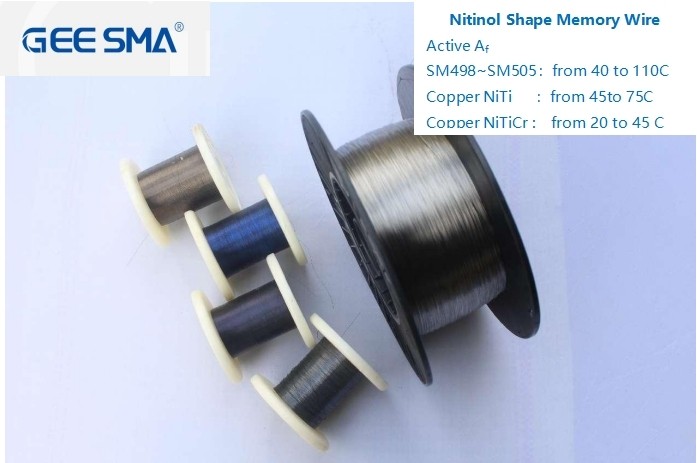
Shape memory alloys (SMAs) have revolutionized various industries, and GEE SMA has emerged as a key player in this transformative technology. By specializing in Nitinol, a prominent type of shape memory alloy, GEE SMA has harnessed the unique properties of SMAs to create innovative solutions that cater to diverse engineering applications. With a commitment to quality and performance, GEE SMA is at the forefront of exploring what are shape memory alloys used for across multiple sectors.
Nitinol Shape Memory Alloys from GEE SMA
Nitinol is an extraordinary shape memory alloy that exhibits remarkable flexibility and strength, making it ideal for various applications. GEE SMA produces high-quality Nitinol that showcases the unique properties of SMAs, such as the ability to return to a predetermined shape when heated above a certain temperature. This capability opens up numerous possibilities in engineering applications of shape memory alloys, allowing for advancements in fields ranging from medical devices to robotics.
The versatility of Nitinol from GEE SMA also extends to consumer products where its shape memory alloy uses enhance functionality and durability. For instance, you might find Nitinol springs or actuators in gadgets designed for convenience and efficiency. As engineers continue to explore what products are made from shape memory alloys, the contributions of GEE SMA stand out due to their commitment to innovation.
Contributions to Space Missions Like Chang’e-5
One of the most exciting aspects of SMAs is their application in aerospace technology, particularly evident in missions like Chang’e-5. GEE SMA's Nitinol was instrumental in developing components that could withstand extreme conditions while maintaining functionality—an essential requirement for space exploration endeavors. The reliability and adaptability offered by these shape memory alloys exemplify their significance within engineering applications.
GEE SMA’s involvement with Chang’e-5 showcases not just technical prowess but also how what are shape memory alloys used for can expand our understanding of material science under extreme environments. As missions become more ambitious, materials like Nitinol will play increasingly critical roles—highlighting the importance of ongoing investment into research and development within this field.
Additionally, the successful integration of SMAs into aerospace systems demonstrates their potential beyond traditional uses; they may redefine how we approach design challenges faced by engineers today.
Custom Solutions Tailored by GEE SMA
GEE SMA takes pride in its ability to provide custom solutions tailored specifically for client needs using their expertise with SMAs like Nitinol. By collaborating directly with industries ranging from healthcare devices to automotive innovations, they ensure that each product meets precise specifications while leveraging unique properties inherent in shape memory alloys. This adaptability makes them invaluable partners when exploring what are the uses of SMAs across various sectors.
What products are made from shape memory alloys? The answer lies within the bespoke solutions crafted by companies like GEE SMA—ranging from stents used in medical procedures to specialized tools designed for intricate tasks requiring precision movement through thermal activation or mechanical force manipulation via SMAs’ unique characteristics.
Moreover, as industries evolve and new challenges arise, having access to custom-tailored solutions enables businesses not only to stay competitive but also innovate effectively using cutting-edge materials like those offered by GEE SMA.
What Are the Uses of SMAs?

Shape memory alloys (SMAs) are not just a scientific curiosity; they have a plethora of practical applications that make them invaluable across various industries. From medical devices to aerospace innovations, understanding what products are made from shape memory alloys reveals their transformative potential. The versatility of SMAs allows them to adapt and respond to environmental changes, making them a favorite among engineers and designers alike.
Everyday Applications of Shape Memory Alloys
When it comes to everyday applications, shape memory alloy uses can be found in some unexpected places. For instance, many eyeglass frames utilize SMAs for their unique ability to revert to their original shape after being bent or twisted—perfect for those who tend to be a bit rough on their accessories! Additionally, SMA wires are commonly used in various toys and gadgets that require movement or transformation, showcasing how these materials can enhance our daily lives with convenience and fun.
In the realm of home improvement, shape memory alloys find roles in smart window systems where they help control light and heat through automatic adjustments. This not only improves energy efficiency but also adds an element of sophistication to modern living spaces. With such diverse applications, it's clear that what are shape memory alloys used for extends far beyond industrial settings; they touch our lives in subtle yet impactful ways.
Innovations in Robotics and Automation
The world of robotics has been revolutionized by the introduction of shape memory alloys into designs and mechanisms. Engineers leverage the unique properties of SMAs to create actuators that mimic natural movements more fluidly than traditional motors could achieve alone. This innovation enables robots equipped with SMAs to perform delicate tasks—think surgical robots or robotic arms—that require precision without bulky machinery getting in the way.
Moreover, robotics isn't the only field benefiting from these remarkable materials; automation systems employ SMAs for components like grippers that can adjust their grip strength based on the object being handled. This flexibility is crucial in manufacturing environments where varying sizes and weights must be managed seamlessly. As we delve deeper into innovations driven by shape memory alloy uses, it becomes evident that these materials are paving new paths for smarter machines.
Future Prospects for Shape Memory Alloys
Looking ahead, the future prospects for shape memory alloys seem brighter than ever as research continues to unveil new possibilities within this fascinating field. Emerging technologies such as 4D printing could integrate SMAs into products that change form over time or react dynamically based on environmental stimuli—imagine furniture that adjusts its configuration based on user needs!
Furthermore, advancements in material science may lead to even more efficient and cost-effective methods for producing high-performance SMAs tailored specifically for niche applications across various sectors—including aerospace engineering and biomedical devices. As we explore what are the engineering applications of shape memory alloys further down this road, one thing is certain: these materials will continue transforming industries while inspiring innovative solutions we have yet to imagine.
Conclusion
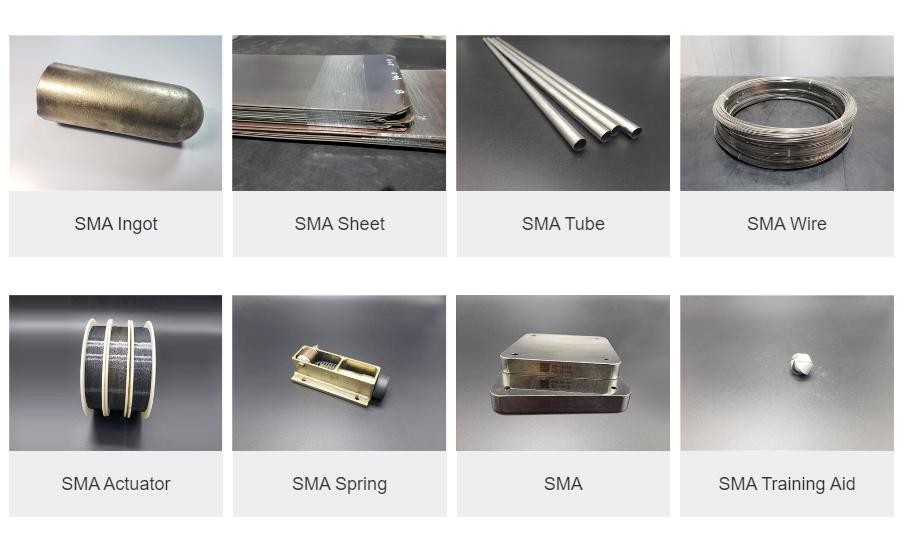
Shape memory alloys (SMAs) have transformed various industries with their unique properties and versatile applications. From aerospace to medical devices, the engineering applications of shape memory alloys showcase their potential to innovate and improve existing technologies. As we reflect on the journey of SMAs, it's clear that their transformative power is just beginning to unfold.
The Transformative Power of Shape Memory Alloys
The transformative power of shape memory alloys lies in their ability to return to a predetermined shape when subjected to specific thermal conditions. This remarkable characteristic makes them invaluable in a myriad of applications, from self-healing materials in architecture to precision instruments in medicine. What are shape memory alloys used for? The answer spans countless sectors, proving that SMAs are not just a passing trend but a cornerstone for future innovations.
Exploring Future Developments in SMAs
Looking ahead, the future developments in SMAs promise even more exciting possibilities. Researchers are constantly exploring new compositions and manufacturing techniques that enhance the performance and functionality of these materials. As industries seek smarter solutions, what products are made from shape memory alloys will likely expand beyond current uses into realms we have yet to imagine.
Shape Memory Alloys: A Key to Innovation
Ultimately, shape memory alloys stand as a key to innovation across various fields by offering solutions that were once thought impossible. Their engineering applications demonstrate how they can revolutionize traditional processes and create new opportunities for advancement. With an increasing focus on sustainability and efficiency, understanding what are the uses of SMAs will be crucial as we strive for a better tomorrow.