

Introduction

In the realm of modern engineering and technology, the integration of smart materials has revolutionized the way we design and implement various mechanical systems. Among these innovative materials, shape memory alloys (SMAs) stand out for their unique ability to return to a predetermined shape when subjected to specific thermal conditions. This introduction will delve into SMA actuators, their significance in contemporary applications, and the critical role that design and prototyping play in harnessing their full potential.
Understanding SMA Actuators
SMA actuators are devices that utilize shape memory alloy wire to convert thermal energy into mechanical work. These specialized actuators are capable of precise movements due to their inherent properties, making them invaluable in industries such as robotics, aerospace, and medical devices. Understanding how these SMA actuators function is essential for engineers looking to leverage their capabilities effectively in diverse applications.
The Role of Smart Materials
Smart materials like shape memory alloys exhibit remarkable behaviors that can be triggered by environmental changes such as temperature or stress. This responsiveness allows for innovative designs that can adapt dynamically to changing conditions, enhancing functionality across various sectors. As we continue to explore new frontiers in technology, the role of smart materials will undoubtedly expand, paving the way for smarter solutions that were once thought impossible.
Importance of Design and Prototyping
The design phase is crucial when working with SMA actuators; it determines how effectively these components will perform in real-world scenarios. Prototyping allows engineers to test designs quickly and efficiently before full-scale production, ensuring that any potential issues are addressed early on. By embracing advanced design techniques and rapid prototyping methods, teams can create optimized SMA actuator systems that meet rigorous performance standards while minimizing costs.
What Are SMA Actuators?

SMA actuators, or shape memory alloy actuators, are remarkable devices that leverage the unique properties of shape memory alloys (SMAs) to convert thermal energy into mechanical motion. These smart materials can remember their original shapes and return to them when heated, making them invaluable in various applications ranging from robotics to aerospace. Understanding the intricacies of SMA actuators opens up a world of possibilities for innovative design and engineering solutions.
Definition of Shape Memory Alloys
Shape memory alloys are metallic materials that exhibit a phenomenon known as the shape memory effect, allowing them to revert to a predetermined shape when subjected to a specific temperature change. This remarkable characteristic is due to the unique crystalline structure of these alloys, which can exist in two different phases: martensite and austenite. When an SMA actuator is deformed in its martensitic phase and then heated beyond its transformation temperature, it transitions back into its original austenitic form, thereby generating motion.
Key Features of SMA Actuators
One of the standout features of shape memory alloy actuators is their ability to produce significant force relative to their size, making them ideal for applications where space is at a premium. Additionally, these smart materials operate silently and without the need for complex mechanisms or motors, which simplifies design requirements and enhances reliability. The versatility of SMA actuators allows them to be used in various configurations—whether as linear actuators or rotary devices—further showcasing their adaptability across multiple industries.
Applications in Various Industries
The applications for shape memory alloy actuators are vast and varied; they can be found in fields such as robotics, medical devices, automotive systems, and aerospace engineering. In robotics, for instance, SMA actuators enable precise movements that mimic human muscle actions while maintaining compactness and efficiency. Similarly, in aerospace applications like satellite deployment mechanisms or adaptive wing structures, these smart materials provide lightweight solutions that enhance performance while ensuring reliability under extreme conditions.
Design Considerations for SMA Actuators
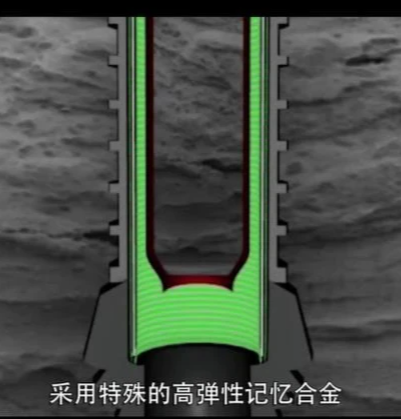
When it comes to crafting an effective shape memory alloy actuator, the design phase is critical. Engineers and designers must take a holistic approach, considering everything from material properties to computational techniques that can optimize performance. The right choices in this stage can significantly enhance the functionality and reliability of smart materials like SMA actuators.
Material Selection and Properties
The selection of materials for shape memory alloy wire actuators is paramount to their success. Shape memory alloys, such as Nickel-Titanium (NiTi), are renowned for their unique ability to return to a predetermined shape when heated, making them ideal for various applications. Understanding the specific properties of these materials—like thermal conductivity, fatigue resistance, and transformation temperatures—is essential for ensuring that the SMA actuator performs reliably under different conditions.
Moreover, engineers must also consider how these properties interact with the intended application of the actuator. For instance, in robotics or aerospace applications where weight is crucial, choosing lightweight yet strong materials can make all the difference. Ultimately, a thorough understanding of material science will guide effective design choices that maximize the potential of shape memory alloy actuators.
Computational Design Techniques
In today's tech-driven landscape, computational design techniques are revolutionizing how we approach SMA actuator development. Advanced software tools allow engineers to simulate various scenarios and stress-test designs before physical prototypes are created. This not only saves time but also minimizes costs associated with trial-and-error approaches in traditional prototyping.
Moreover, computational modeling helps in predicting how different configurations of shape memory alloy actuators will behave under varying conditions—such as temperature changes or mechanical loads. By leveraging finite element analysis (FEA) and other simulation methods, designers can optimize actuator geometry for maximum efficiency and performance while also ensuring durability over time.
These computational techniques enable teams to iterate quickly on designs while still achieving high levels of precision—a crucial factor when working with smart materials like SMA actuators that require meticulous attention to detail.
Utilizing GEE SMA for Quality Materials
When it comes to sourcing quality materials for your shape memory alloy actuators, GEE SMA stands out as a top choice among manufacturers. Known for their commitment to excellence in producing high-performance smart materials, GEE SMA provides a range of options tailored specifically for various applications—from medical devices to robotics and aerospace technologies.
Utilizing GEE SMA ensures that your shape memory alloy wire actuator benefits from superior mechanical properties and reliability throughout its lifecycle. Their rigorous quality control processes guarantee consistency in material characteristics which is vital when designing systems that rely heavily on precise actuation mechanisms.
By choosing GEE SMA as your supplier for shape memory alloys, you’re not just investing in raw materials; you’re securing a partnership that prioritizes innovation and quality—two key ingredients needed for successful design and implementation of advanced SMA actuators.
Prototyping Techniques for SMA Actuators
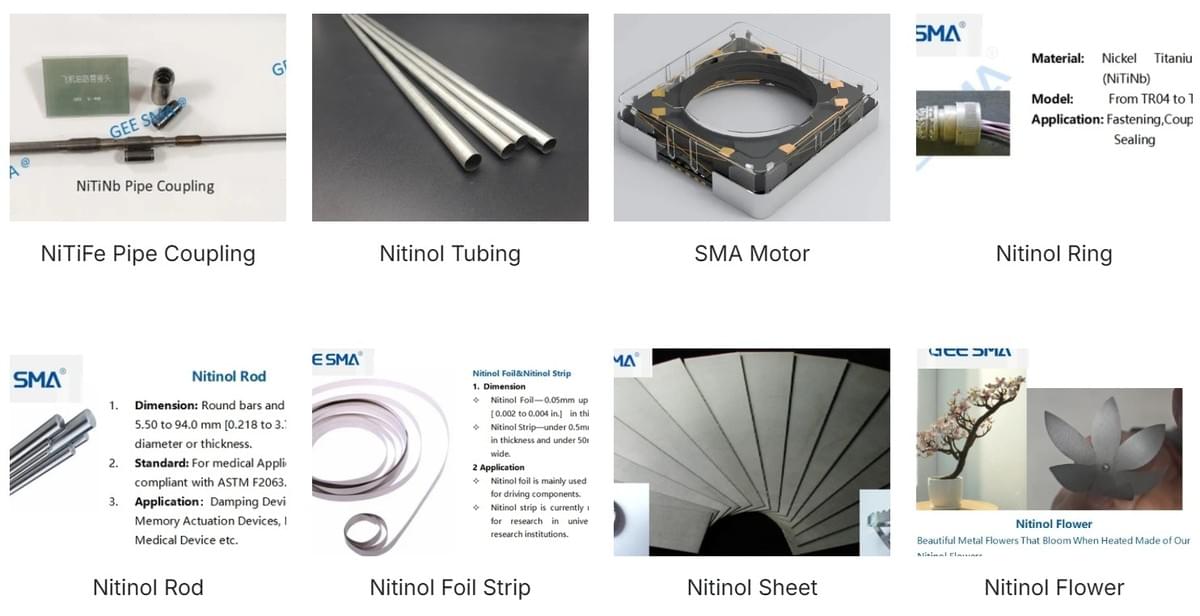
When it comes to bringing shape memory alloy actuators to life, prototyping techniques play a pivotal role. The process allows designers and engineers to explore the potential of smart materials like shape memory alloys (SMAs) in practical applications. By utilizing innovative prototyping methods, teams can refine their designs before full-scale production, ensuring that the final product meets performance expectations.
3D Printing in Actuator Prototyping
3D printing has revolutionized how we approach actuator prototyping, particularly with shape memory alloy wire actuators. This technology enables rapid iteration of designs, allowing engineers to test various configurations quickly and cost-effectively. With the ability to print complex geometries that traditional manufacturing methods cannot achieve, 3D printing enhances the functionality of SMA actuators while reducing lead times.
Additionally, 3D printing facilitates the integration of smart materials into prototypes seamlessly. By embedding shape memory alloy actuators directly into printed components, designers can create more compact and efficient systems that respond dynamically to stimuli. As a result, this method not only accelerates prototyping but also enhances the overall design flexibility for SMA actuator applications.
Rapid Prototyping Methods
Rapid prototyping methods extend beyond just 3D printing; they encompass a variety of techniques designed to expedite the development process for shape memory alloy actuators. Techniques such as CNC machining and laser cutting allow for precise fabrication of components from various materials that complement SMAs' unique properties. These methods enable quick adjustments based on testing feedback, ensuring that each iteration is better than the last.
Moreover, utilizing rapid prototyping helps teams identify potential issues early in development phases—saving both time and resources down the line. For instance, by creating multiple versions of a shape memory alloy actuator quickly, engineers can evaluate performance under different conditions and refine their designs accordingly. This iterative approach fosters innovation while keeping projects on track.
Testing Prototypes with Real-World Scenarios
Once prototypes are developed using advanced techniques like 3D printing or rapid prototyping methods, it's crucial to put them through rigorous testing in real-world scenarios. Evaluating how well a shape memory alloy actuator performs under actual operating conditions provides invaluable insights into its reliability and effectiveness in practical applications. This phase is essential not only for validating design choices but also for ensuring safety standards are met.
Testing scenarios might include simulating environmental conditions such as temperature fluctuations or mechanical stressors that an SMA actuator would encounter during its lifecycle. By subjecting prototypes to these challenges, teams can assess their durability and responsiveness—key factors when deploying smart materials in demanding industries like aerospace or robotics. Ultimately, thorough testing leads to enhanced confidence in using shape memory alloys across various applications.
Testing Solutions for SMA Actuators
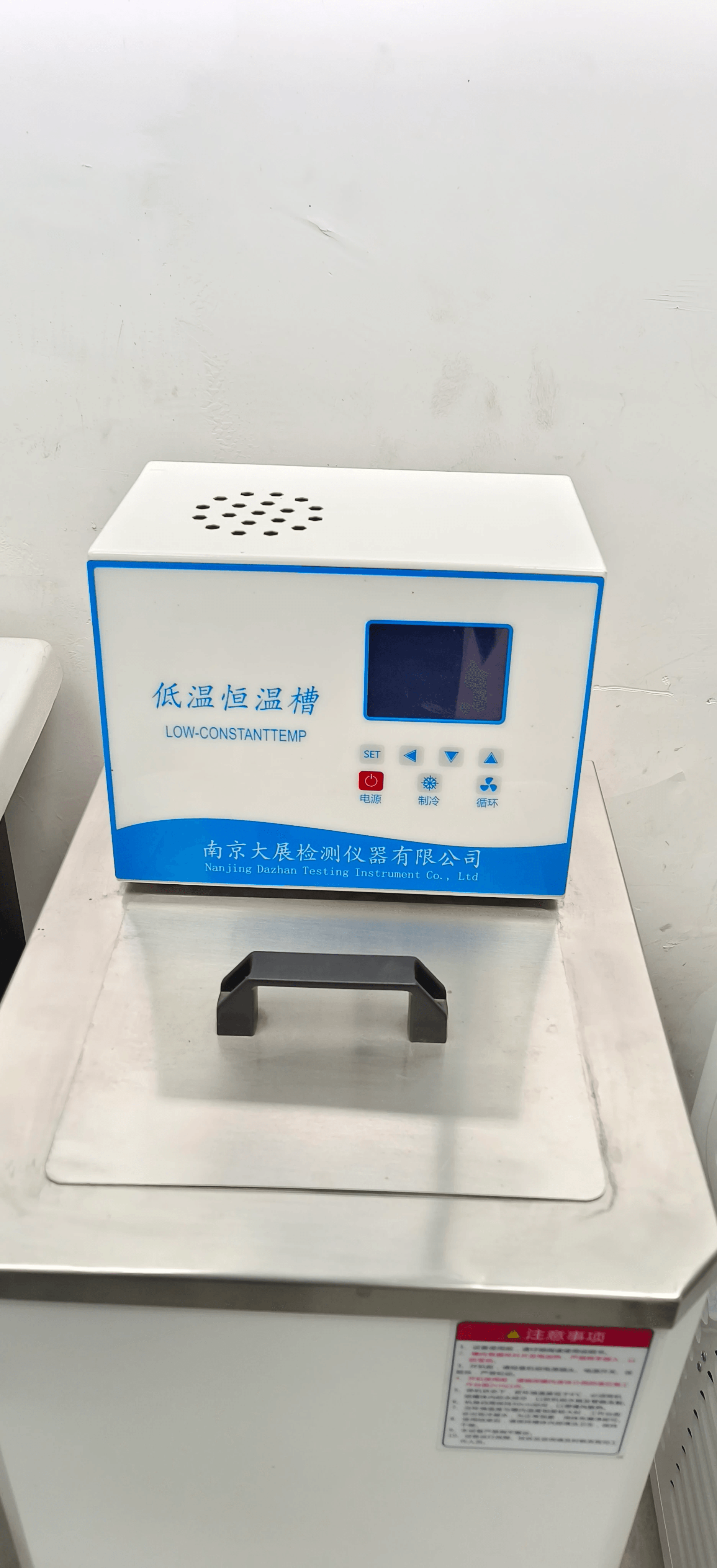
Testing solutions for shape memory alloy (SMA) actuators are crucial to ensure their performance, reliability, and effectiveness across various applications. The unique properties of smart materials like shape memory alloys necessitate rigorous evaluation methods to confirm that these actuators can withstand operational demands. In this section, we will explore performance testing standards, evaluate actuator strength and reliability, and present a case study showcasing the application of GEE SMA in space missions.
Performance Testing Standards
Performance testing standards for SMA actuators are designed to assess their functionality under specific conditions. These standards encompass various parameters such as response time, force output, and thermal cycling capabilities, ensuring that the shape memory alloy actuator meets industry requirements. By adhering to established performance benchmarks, engineers can confidently integrate SMA actuators into systems where precision and reliability are paramount.
In addition to standard tests, manufacturers often develop custom protocols tailored to their specific applications. This flexibility allows for comprehensive evaluations of the smart materials used in shape memory alloy wire actuators while also considering environmental factors that may impact performance. Ultimately, robust performance testing is essential for validating the design and ensuring that the actuator operates effectively in real-world scenarios.
Evaluating Actuator Strength and Reliability
Evaluating the strength and reliability of SMA actuators involves a multifaceted approach that examines both material properties and operational behavior over time. Key factors include tensile strength, fatigue resistance, and thermal stability—all critical attributes for any shape memory alloy actuator intended for long-term use. Engineers utilize advanced techniques such as finite element analysis (FEA) to simulate stress conditions on these smart materials during operation.
Reliability testing also encompasses life cycle assessments to predict how well an actuator will perform under repeated stress or temperature changes—common occurrences in environments like aerospace or robotics where SMA actuators are frequently employed. By understanding failure modes through rigorous evaluation processes, manufacturers can enhance design iterations of shape memory alloy wire actuators before they reach production stages.
Case Study: GEE SMA in Space Missions
A noteworthy example of successful implementation is GEE SMA's involvement in space missions where reliability is non-negotiable due to extreme conditions encountered beyond Earth’s atmosphere. The company has developed specialized shape memory alloy actuators designed specifically for use in spacecraft components—such as deployable structures or precision control systems—that require high levels of accuracy under fluctuating temperatures.
During a recent mission simulation involving GEE SMA technology, engineers conducted extensive tests on their shape memory alloy wire actuators focusing on thermal cycling resilience and mechanical integrity under vacuum conditions typical of space environments. The results demonstrated not only exceptional performance but also highlighted how these innovative smart materials could revolutionize future aerospace engineering projects by providing lightweight yet robust solutions.
Innovations in SMA Actuator Technology
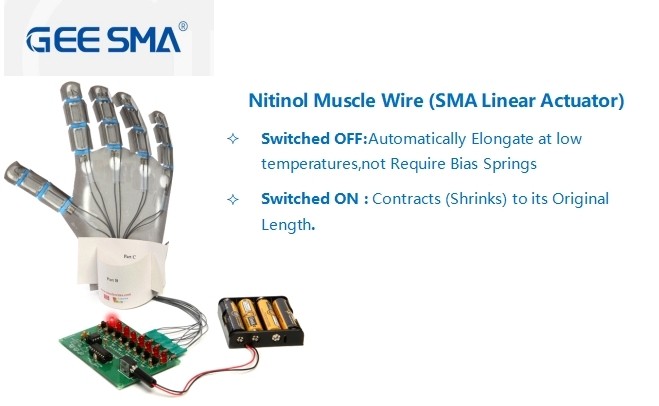
The field of SMA actuators is witnessing remarkable innovations that are reshaping the landscape of smart materials. With ongoing research and development, the capabilities of shape memory alloys are expanding, offering new possibilities for engineers and designers alike. This section delves into the advances in smart materials, future trends for shape memory alloys, and their impact on robotics and aerospace.
Advances in Smart Materials
Recent advancements in smart materials have propelled the performance of shape memory alloy actuators to new heights. Innovations such as improved alloy compositions and enhanced thermal properties have made these actuators more efficient and reliable than ever before. The integration of sensors with shape memory alloy wire actuators allows for real-time feedback, enabling more precise control over actuator movements.
Moreover, researchers are exploring hybrid systems that combine SMA actuators with other smart materials like piezoelectric elements to create multifunctional devices. This synergy not only enhances performance but also opens doors to applications that were previously unattainable with traditional actuators alone. As a result, industries are beginning to see a shift toward incorporating these advanced technologies into their product designs.
Future Trends in Shape Memory Alloys
Looking ahead, several future trends are emerging within the realm of shape memory alloys that promise to revolutionize their application across various sectors. One significant trend is miniaturization; as devices become smaller and more compact, so too must the components that drive them—SMA actuators fit this bill perfectly due to their lightweight nature and high force-to-weight ratio. This miniaturization will likely lead to increased use of shape memory alloy wire actuators in consumer electronics and medical devices.
Another trend is the growing emphasis on sustainability; researchers are investigating eco-friendly alternatives for producing SMA materials without compromising performance quality. Additionally, advancements in computational design techniques will enable engineers to optimize shapes and configurations tailored specifically for unique applications using SMA technology. These trends signify a promising future where shape memory alloy actuators become even more versatile.
Impact on Robotics and Aerospace
The impact of innovations in SMA actuator technology on robotics and aerospace is profound and far-reaching. In robotics, these actuators offer unprecedented flexibility due to their ability to return to predefined shapes after deformation—ideal for creating soft robots that can navigate complex environments or perform delicate tasks without damaging sensitive objects. The use of shape memory alloy actuators can lead to lighter robotic systems with higher energy efficiency.
In aerospace applications, weight reduction is critical for fuel efficiency; here too, SMA technology shines as it provides high-performance actuation while minimizing mass. Shape memory alloy wire actuators can be employed in morphing wings or adaptive structures that enhance aerodynamic efficiency during flight conditions—a game changer for aircraft design strategies moving forward. As both fields continue to evolve alongside these innovations, we can expect transformative changes driven by smart material technologies.
Conclusion
In wrapping up our exploration of SMA actuators, it's clear that these innovative devices hold a promising future in various industries. As smart materials continue to evolve, the potential applications for shape memory alloy actuators are expanding rapidly. From robotics to aerospace, the adaptability and efficiency of SMA technology ensure it will play a crucial role in shaping the future of engineering.
The Future of SMA Actuators
The future of shape memory alloy actuators is bright and brimming with possibilities. With advancements in smart materials, we can expect even more efficient and versatile designs that meet the demands of complex applications. As industries increasingly seek lightweight yet powerful solutions, SMA actuators are poised to become indispensable tools in fields such as robotics, automotive engineering, and medical devices.
Why Choose GEE SMA for Your Projects
Their commitment to quality ensures that you receive reliable performance while benefiting from cutting-edge technology. By choosing GEE SMA for your projects, you tap into a wealth of expertise and innovation that can elevate your designs and prototypes to new heights.
Final Thoughts on Smart Materials and Design
Smart materials like shape memory alloys are revolutionizing design concepts across numerous sectors. The integration of these advanced materials into everyday applications not only enhances functionality but also opens doors to creativity in engineering design processes. Embracing the capabilities of SMA actuators means stepping into a world where innovation knows no bounds—an exciting frontier for any engineer or designer.