

Introduction
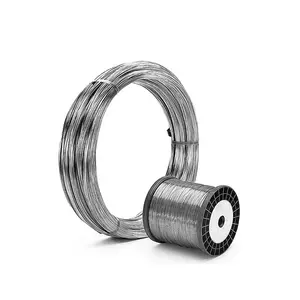
In the ever-evolving world of materials science, Nitinol has emerged as a game changer, boasting unique properties that surpass those of traditional stainless steel. This remarkable alloy, known for its shape memory and superelastic capabilities, is revolutionizing various industries by offering solutions that stainless steel simply cannot match. As we delve deeper into the nitinol vs stainless steel debate, it becomes clear why Nitinol wire and its alloys are becoming the preferred choice in demanding applications.
Nitinol's Unique Properties Surpass Stainless Steel
Nitinol's material properties are nothing short of extraordinary, making it a standout option when compared to stainless steel. The shape memory nitinol wire can return to a predetermined shape upon heating, providing unparalleled versatility in design and functionality. Additionally, superelastic nitinol allows for significant deformation without permanent damage, which is a feat that typical stainless steel cannot achieve under similar conditions.
Applications of Nitinol and Stainless Steel Wire
Both nitinol wire and stainless steel have their place in modern applications; however, the former is carving out niches in areas like medical devices and aerospace engineering where performance is critical. From stents that adapt to body temperature to actuators that respond dynamically to environmental changes, nitinol alloys showcase their adaptability in high-stakes situations. In contrast, while stainless steel remains popular for general use due to its durability and cost-effectiveness, it lacks the specialized applications where nitinol truly shines.
Why Choose Nitinol Over Stainless Steel?
Choosing between nitinol and stainless steel ultimately hinges on specific project requirements. If flexibility under stress or the ability to revert to a set shape are essential factors—think of surgical instruments or robotic components—then nitinol wire emerges as the clear winner due to its unique properties. Furthermore, with advancements in manufacturing processes reducing costs over time, opting for nitinol alloys becomes an increasingly attractive proposition for businesses looking toward innovation without sacrificing quality.
Understanding Nitinol Material Properties

The combination of shape memory and superelasticity in nitinol wire makes it an exceptional choice for various applications, from medical devices to aerospace components. Understanding the nuances of nitinol material properties is crucial for anyone considering a switch from stainless steel.
The Magic of Shape Memory Nitinol Wire
One of the most enchanting features of nitinol wire is its shape memory effect. This means that when the wire is deformed at a lower temperature, it can return to its original shape upon heating, making it ideal for applications where precise movement is required. In contrast, stainless steel lacks this magical ability, often resulting in limitations in design flexibility and functionality.
The ability to remember its shape allows nitinol wire to be used in a variety of ingenious ways—from self-expanding stents that adjust inside the body to actuators that respond dynamically to temperature changes. As industries increasingly seek adaptable materials, the advantages of shape memory nitinol wire become even more pronounced compared to traditional options like stainless steel. Thus, when weighing nitinol vs stainless steel, the unique capabilities of shape memory should not be overlooked.
Superelastic Nitinol: Flexibility Redefined
Superelastic nitinol takes flexibility to a whole new level by allowing deformation without permanent change in structure at certain temperatures. This property enables nitinol wire to withstand significant stress while returning effortlessly to its original form—something that standard stainless steel simply cannot achieve under similar conditions. Superelasticity enhances performance in dynamic environments where resilience and adaptability are paramount.
In practical terms, superelastic nitinol is invaluable in applications such as orthodontics and robotics where constant movement occurs. The inherent flexibility allows for smoother operation and greater durability over time compared to rigid materials like stainless steel. Thus, when considering material choices for demanding applications, superelastic nitinol clearly outshines alternatives like stainless steel.
Key Advantages of Nitinol Alloys
Nitinol alloys are renowned not only for their unique properties but also for their impressive performance metrics across various domains. These alloys exhibit superior fatigue resistance and corrosion resistance compared to traditional metals such as stainless steel, making them ideal candidates for long-term use in challenging environments. The versatility found within different compositions of nitinol alloys allows engineers and designers greater freedom when crafting specialized solutions.
Moreover, the thermal properties inherent in nitinol allow it to function effectively over a wide range of temperatures—an essential factor for industries ranging from biomedical devices to aerospace engineering where environmental conditions can vary dramatically. When evaluating options based on strength-to-weight ratios or performance longevity, the advantages provided by nitinol alloys become increasingly compelling against competitors like stainless steel.
In summary, understanding the unique material properties associated with both shape memory and superelastic characteristics positions nitinol as a leading choice over traditional metals such as stainless steel—especially when innovative designs are paramount.
Nitinol vs Stainless Steel: Strength Comparison

Nitinol wire, with its unique material properties, often outshines traditional stainless steel in various applications. Understanding the nuances of nitinol alloys and their remarkable capabilities allows engineers and designers to make informed choices for their projects.
Tensile Strength of Nitinol Wire
Tensile strength is a crucial factor when evaluating materials for demanding applications, and here, nitinol wire truly shines. With impressive tensile strength ratings that can reach up to 1,000 MPa or more, nitinol wire properties demonstrate its capability to withstand significant loads without permanent deformation. In contrast, while stainless steel is known for its durability, it typically falls short of the tensile strength exhibited by superelastic nitinol.
Moreover, the combination of shape memory nitinol wire's ability to return to its original shape after deformation adds another layer of resilience not found in standard stainless steel wires. This characteristic makes nitinol alloys particularly appealing for industries requiring high-performance materials that can endure dynamic conditions without compromising integrity. As such, when considering tensile strength in the battle of nitinol vs stainless steel, it's clear that nitinol has a definitive edge.
Endurance Under Stress: Nitinol Takes the Lead
Endurance under stress is another vital aspect where superelastic nitinol takes center stage against stainless steel counterparts. The unique properties of nitinol allow it to undergo significant strain while maintaining its structural integrity—something that many other materials struggle with under similar conditions. This remarkable flexibility means that applications involving repeated loading or cyclic stress can benefit immensely from using shape memory nitinol wire.
Furthermore, unlike stainless steel which may exhibit fatigue over time due to repeated stress cycles, superelastic nitinol can absorb energy and return to its original form without incurring damage. This quality not only enhances performance but also extends the lifespan of components made from this innovative material—an essential factor in high-stakes environments like aerospace or medical devices where failure is not an option. Thus, when examining endurance under stress in the context of nitinol vs stainless steel, it's evident that superelastic nitinol leads the charge.
Real-World Examples of Nitinol Strength
To truly appreciate the superiority of nitinol wire over stainless steel in terms of strength and durability, consider real-world examples where these materials are put to the test. In medical applications such as stents and guidewires used in minimally invasive surgeries, shape memory nitinol wire demonstrates unparalleled reliability due to its ability to adapt under pressure while maintaining performance standards unmatched by traditional materials like stainless steel.
Additionally, industries like aerospace have begun incorporating superelastic nitinol into designs for components subject to extreme conditions—think actuators or couplings—that require both lightweight characteristics and robust performance capabilities. These real-world scenarios highlight how companies are leveraging the unique properties of various types of nitinol alloys to push boundaries previously set by standard metals like stainless steel.
In conclusion, as we delve into the strengths showcased by both these materials within practical applications—especially regarding tensile strength and endurance—the advantages presented by nitrial become increasingly apparent compared with traditional options like stainless steel.
Corrosion Resistance: Nitinol Shines Brighter

Its unique properties make it exceptionally resilient in harsh environments, where traditional materials tend to falter. This durability is a game-changer for industries that demand long-lasting performance in challenging conditions.
Superior Resistance in Harsh Environments
Nitinol's superior resistance to corrosion stems from its remarkable material properties, which allow it to withstand exposure to extreme temperatures and aggressive chemicals. Unlike stainless steel, which can succumb to pitting and crevice corrosion over time, nitinol maintains its integrity even when faced with the most unforgiving conditions. This makes nitinol wire an ideal choice for applications in marine environments, chemical processing plants, and medical devices that require reliable performance without the risk of degradation.
The Rust-Busting Power of Nitinol Alloys
The rust-busting power of nitinol alloys is another reason they are gaining traction over stainless steel in various applications. Thanks to their unique composition and shape memory capabilities, these alloys exhibit exceptional resistance to oxidation and wear. In fact, superelastic nitinol has been known to retain its properties even after prolonged exposure to corrosive agents—something that cannot be said for many stainless steel variants.
Stainless Steel Limitations in Corrosion
Despite being widely praised for its strength and versatility, stainless steel has notable limitations when it comes to corrosion resistance. Factors such as chloride exposure can lead to stress corrosion cracking, significantly compromising the material's longevity and reliability. In contrast, nitinol wire properties ensure a longer lifespan with minimal maintenance required—making it a smarter investment for those looking at the long-term benefits of their materials.
Weight Considerations: Nitinol Wins
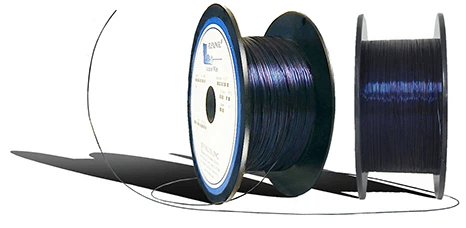
When it comes to weight considerations, nitinol wire emerges as a clear winner over stainless steel. The lightweight nature of nitinol alloys offers significant advantages in various industries, especially where every gram counts. This makes nitinol an attractive option for applications that require both strength and minimal weight.
Lightweight Advantages of Nitinol Wire
One of the standout features of nitinol wire is its impressive strength-to-weight ratio. This means that while nitinol is lighter than stainless steel, it does not compromise on performance or durability—quite the opposite! The unique nitinol properties allow for designs that can achieve greater functionality without the burden of excess weight.
Additionally, superelastic nitinol provides flexibility that further enhances its lightweight advantages. This elasticity allows components made from nitinol to withstand stress and deformation without breaking, making it ideal for scenarios where traditional materials might fail. In a world increasingly focused on efficiency and innovation, these lightweight benefits position nitinol wire as a game-changer in material science.
Applications in Aerospace and Medical Fields
In the aerospace sector, where reducing weight can lead to significant fuel savings and improved performance, nitinol is becoming increasingly popular. Its lightweight characteristics make it suitable for aircraft components that require both strength and reduced mass—think about control wires or actuators crafted from shape memory nitinol wire that can adapt dynamically during flight conditions.
Similarly, in the medical field, the advantages of using nitinol alloys are profound. Devices such as stents benefit from the unique properties of superelastic nitinol; they expand upon deployment while maintaining a lightweight profile crucial for patient comfort and minimally invasive procedures. These applications highlight how choosing materials like nitinol over stainless steel can revolutionize industries by enhancing performance while minimizing weight.
Comparing Weight Versus Performance
When comparing weight versus performance between nitinol vs stainless steel, it's clear that lighter materials don’t mean lesser capabilities—in fact, it's quite the opposite! While stainless steel has been a longstanding favorite due to its robustness, it simply can't compete with the versatility offered by various forms of nitinol wire properties when considering overall efficiency.
The ability of shape memory nitinol wire to return to its original shape after deformation without losing integrity adds another layer to this comparison; it’s an innovation stainless steel cannot replicate effectively. Moreover, when engineers evaluate designs based on performance metrics like load-bearing capacity per unit weight or fatigue resistance under cyclic loading conditions, superelastic nitinol consistently outperforms traditional metals like stainless steel despite being significantly lighter.
In summary, when weighing options between these two materials—especially in high-stakes fields such as aerospace and medicine—the choice becomes clear: investing in innovative solutions like nitinol alloys yields long-term benefits far beyond mere numbers on a scale.
Cost-Effectiveness: Analyzing Long-Term Use
When it comes to cost-effectiveness, the debate of nitinol vs stainless steel often hinges on the initial investment versus long-term benefits. While nitinol wire typically comes with a higher upfront cost due to its unique properties and manufacturing processes, the advantages it offers can lead to considerable savings over time. This is particularly true in applications where durability, flexibility, and resistance to harsh environments are essential.
Initial Investment of Nitinol vs Stainless Steel
The initial investment for nitinol alloys is generally higher than that of traditional stainless steel. This disparity arises from the specialized production techniques required to harness the remarkable nitinol properties, such as shape memory and superelasticity. However, it's crucial to consider that this initial expense may be offset by reduced maintenance costs and longer lifespans in demanding applications.
The Long-Term Value of Nitinol Materials
In evaluating long-term value, nitinol wire clearly stands out against stainless steel due to its exceptional durability and performance characteristics. The unique nitinol material properties allow it to withstand extreme conditions without degradation, making it a wise choice for industries like aerospace and medical devices where reliability is non-negotiable. Over time, the longevity and reduced failure rates associated with superelastic nitinol can translate into significant financial savings that outweigh its higher initial price tag.
GEE SMA’s Commitment to Quality and Affordability
GEE SMA understands that while quality is paramount in selecting materials like nitinol wire, affordability remains a key concern for manufacturers. That's why GEE SMA strives to balance premium quality with competitive pricing in their offerings of nitinol alloys. By focusing on innovation and efficiency in production processes, GEE SMA ensures that customers receive not only top-notch products but also excellent value for their investment.
Conclusion
In the grand showdown of materials, nitinol wire emerges as a true champion, showcasing properties that far surpass those of traditional stainless steel. With its unique capabilities like shape memory and superelasticity, nitinol is not just a replacement but a revolutionary alternative for various applications. As industries evolve, the demand for advanced materials will undoubtedly tilt in favor of nitinol alloys, making it the future of wire materials.
Nitinol: The Future of Wire Materials
When we delve into nitinol properties, it's clear that this innovative material is paving the way for advancements across numerous fields. The remarkable characteristics of shape memory nitinol wire allow it to return to its original form after deformation, while superelastic nitinol offers unmatched flexibility under stress. As technology progresses and applications become more demanding, the advantages offered by nitinol will solidify its position as an essential material in modern engineering.
Why GEE SMA is Your Nitinol Partner
Choosing GEE SMA means selecting a partner who understands the intricacies of nitinol wire properties and their implications in real-world scenarios. Our commitment to quality ensures that you receive only the best nitinol alloys tailored to your specific needs, whether it's for medical devices or aerospace components. With our expertise and dedication to affordability, we make transitioning from stainless steel to nitinol not only viable but also advantageous for your projects.
Key Takeaways: Nitinol Outshines Stainless Steel
To sum it up succinctly: when comparing nitinol vs stainless steel, it's clear that nitinol holds several compelling advantages including superior strength-to-weight ratio and exceptional corrosion resistance. Its unique material properties make it ideal for high-performance applications where reliability is paramount. Ultimately, investing in nitinol wire not only enhances product performance but also positions you at the forefront of innovation.